
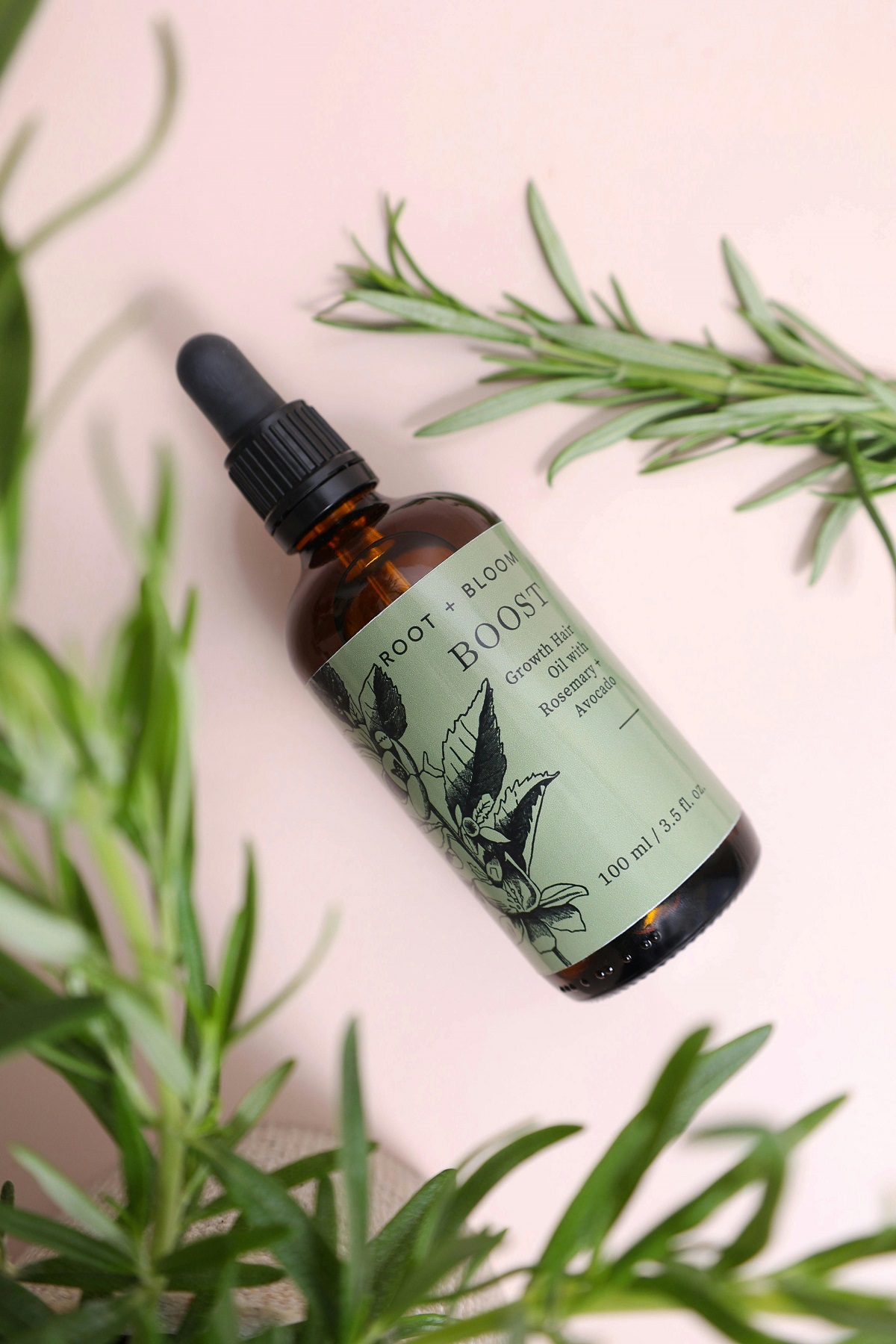
Rosemary oil extracted from the fragrant herb Rosmarinus officinalis has long held a cherished place in the world of natural health and beauty. This essential oil renowned for its invigorating aroma and remarkable therapeutic properties has been a staple in traditional medicine beauty routines and wellness practices for centuries. Native to the Mediterranean region rosemary has been utilized by ancient civilizations like the Greeks Romans and Egyptians not only as a culinary herb but also as a powerful healing agent.
Today rosemary oil continues to be a beloved remedy, supported by both tradition and growing scientific interest praised for its benefits to hair skin mind and body. From stimulating hair growth and improving cognitive performance to reducing pain and enhancing mood rosemary oil stands as one of the most versatile and effective essential oils available.
Historical Background and Botanical Profile
The name rosemary comes from the Latin words ros dew and marinus sea meaning dew of the sea. This name is apt considering the herb often grows along coastal cliffs and thrives with minimal water seemingly living on the seas dew. A woody, perennial herb with needle like leaves and white pink purple or blue flowers rosemary has long been revered in folklore.
In ancient Rome it was a symbol of remembrance and loyalty. Students wore wreaths of rosemary around their heads to improve memory during exams a tradition that reflects rosemary historical connection with mental clarity. The oil extracted through steam distillation of the plant’s flowering tops is rich in bioactive compounds such as cineole camphor and alpha pinene which contribute to its distinct aroma and powerful properties.
Rosemary Oil for Hair Growth and Scalp Health
One of the most popular uses of rosemary oil in modern times is its application in hair care. The oil is often hailed as a natural remedy for hair thinning hair loss and dandruff and is frequently compared to commercial hair treatments like minoxidil. Several studies suggest that rosemary oil can help stimulate blood circulation in the scalp thereby promoting healthy hair follicles and encouraging new growth.
It has also been found to prevent the buildup of sebum and product residue which can clog pores and inhibit hair health. When massaged into the scalp regularly often diluted with a carrier oil like coconut or jojoba rosemary oil can strengthen hair strands reduce breakage and enhance shine.
Moreover its antifungal and antibacterial properties help combat scalp conditions such as dandruff itching and flakiness. Anecdotal evidence and increasing research support the idea that rosemary oil may slow premature graying and protect hair from environmental damage. For those suffering from alopecia areata or general thinning, rosemary oil presents a natural non invasive alternative that not only nurtures the scalp but also contributes to an overall sense of relaxation and well being through its aromatic impact.
Skin Benefits Acne Aging and Inflammation

Rosemary oil is not just a savior for hair its benefits extend to the skin as well. Thanks to its powerful antimicrobial and anti inflammatory properties its commonly used in skin care to treat acne and other skin irritations. The oil helps to reduce redness swelling and the occurrence of acne causing bacteria on the skin surface. When blended with non comedogenic carrier oils like grapeseed or rosehip oil rosemary oil can act as a gentle but effective toner and cleanser particularly beneficial for those with oily or combination skin types.
In addition to treating acne rosemary oil is prized for its anti-aging capabilities. Its antioxidant content helps to neutralize free radicals which are known to accelerate the aging process by damaging skin cells. Regular application may help reduce the appearance of fine lines wrinkles and dark spots while improving skin elasticity and promoting a youthful radiant glow. Because it also improves circulation, rosemary oil can enhance the delivery of nutrients and oxygen to skin cells, resulting in healthier more resilient skin over time.
Mental Clarity and Cognitive Enhancement
Another reason rosemary oil has been treasured throughout history is its ability to enhance mental clarity and cognitive function. Inhaling rosemary oil has been shown to improve memory retention focus and alertness. Modern studies have supported these ancient beliefs revealing that exposure to rosemary oils aroma can result in better performance on cognitive tasks and even increase the speed and accuracy of memory recall.
One notable study published in Therapeutic Advances in Psychopharmacology found that individuals exposed to rosemary aroma experienced improved cognitive performance and elevated mood thanks to increased concentrations of 1 to 8 cineole a key component of rosemary oil in their bloodstream.
This makes rosemary oil an excellent tool for students professionals, and anyone engaged in mentally demanding tasks. Diffusing the oil in a workspace or simply inhaling it from a tissue can serve as a natural cognitive booster. Additionally, rosemary oil’s energizing aroma helps combat mental fatigue making it useful in moments of sluggishness or burnout. It can also reduce stress related symptoms, as its scent has calming effects on the nervous system encouraging emotional balance and clarity.
Pain Relief and Muscle Relaxation
Rosemary oils anti inflammatory and analgesic properties make it a powerful ally in relieving physical discomfort. It has been used traditionally to ease muscle soreness joint pain and even symptoms of arthritis. When applied topically especially when mixed with a carrier oil or added to a warm bath rosemary oil can help reduce inflammation and improve circulation in affected areas bringing much needed relief to tired or overworked muscles. Athletes often use rosemary oil as part of their recovery routine whether through massage or warm compresses due to its ability to enhance blood flow and relax tense tissues.
Additionally the oil has been reported to help with headaches and migraines when applied to the temples or forehead. Its invigorating scent and soothing properties work in tandem to ease tension and restore balance. For individuals suffering from chronic pain or inflammatory conditions rosemary oil can be an invaluable addition to natural pain management strategies.
Immune System Support and Respiratory Relief
The antimicrobial and antioxidant qualities of rosemary oil also make it a valuable tool for supporting immune health. It helps the body combat pathogens and can be particularly useful during cold and flu season. Diffusing rosemary oil into the air not only purifies the environment but can also help alleviate congestion and respiratory symptoms. Its expectorant properties assist in clearing mucus from the lungs and sinuses making it beneficial for conditions like bronchitis asthma and allergies.
Inhaling rosemary oil or using it in steam inhalation can relieve throat irritation coughs and sinus pressure. Its ability to open airways and improve breathing makes it a go to essential oil for many people seeking natural respiratory support. In combination with other oils like eucalyptus and peppermint rosemary oil can amplify the therapeutic effects and provide holistic relief from upper respiratory issues.
Rosemary Oil in Aromatherapy and Mood Enhancement
Aromatherapy is one of the most effective and enjoyable ways to use rosemary oil. Its crisp herbaceous aroma invigorates the senses sharpens the mind and uplifts the mood. Whether diffused through an essential oil diffuser or inhaled directly rosemary oil can help combat emotional fatigue and nervous tension. Its often recommended for people dealing with anxiety depression or chronic stress as it encourages clarity positivity and a sense of rejuvenation.
Beyond the cognitive and mood enhancing benefits the use of rosemary oil in aromatherapy can promote better sleep patterns when used in the evening especially in blends that include lavender or chamomile. Its capacity to ease mental tension while still offering a stimulating effect means it can be used both for waking up refreshed and winding down peacefully depending on the context in which its applied.
Culinary and Household Uses
Though not as widely discussed rosemary oil has culinary applications when used in food grade form. A drop or two can add potent flavor to dressings marinades and sauces. It pairs beautifully with roasted vegetables grilled meats and Mediterranean inspired dishes. Caution must be taken however as essential oils are highly concentrated and should always be used sparingly and with proper guidance when consumed.
In the home rosemary oil can serve as a natural cleaning agent. Its antimicrobial qualities make it suitable for DIY surface sprays and deodorizers. A few drops in a spray bottle filled with vinegar and water create an effective and pleasant-smelling all purpose cleaner. Its aroma is not only refreshing but also capable of repelling insects making it a useful addition to homemade bug repellents and pet safe sprays.
Safe Usage and Precautions
While rosemary oil is generally considered safe for most people when used appropriately certain precautions must be observed. It should always be diluted with a carrier oil before applying to the skin to avoid irritation. A patch test is recommended for first time users to ensure there is no allergic reaction. Pregnant and breastfeeding women individuals with epilepsy, or those with high blood pressure should consult with a healthcare provider before using rosemary oil as its stimulating properties may not be suitable in these cases.
Ingestion of rosemary oil should only be done with a certified food-grade product and under the supervision of a qualified professional as improper internal use can be harmful. As with all essential oils rosemary oil should be stored in a cool dark place and kept out of reach of children.