
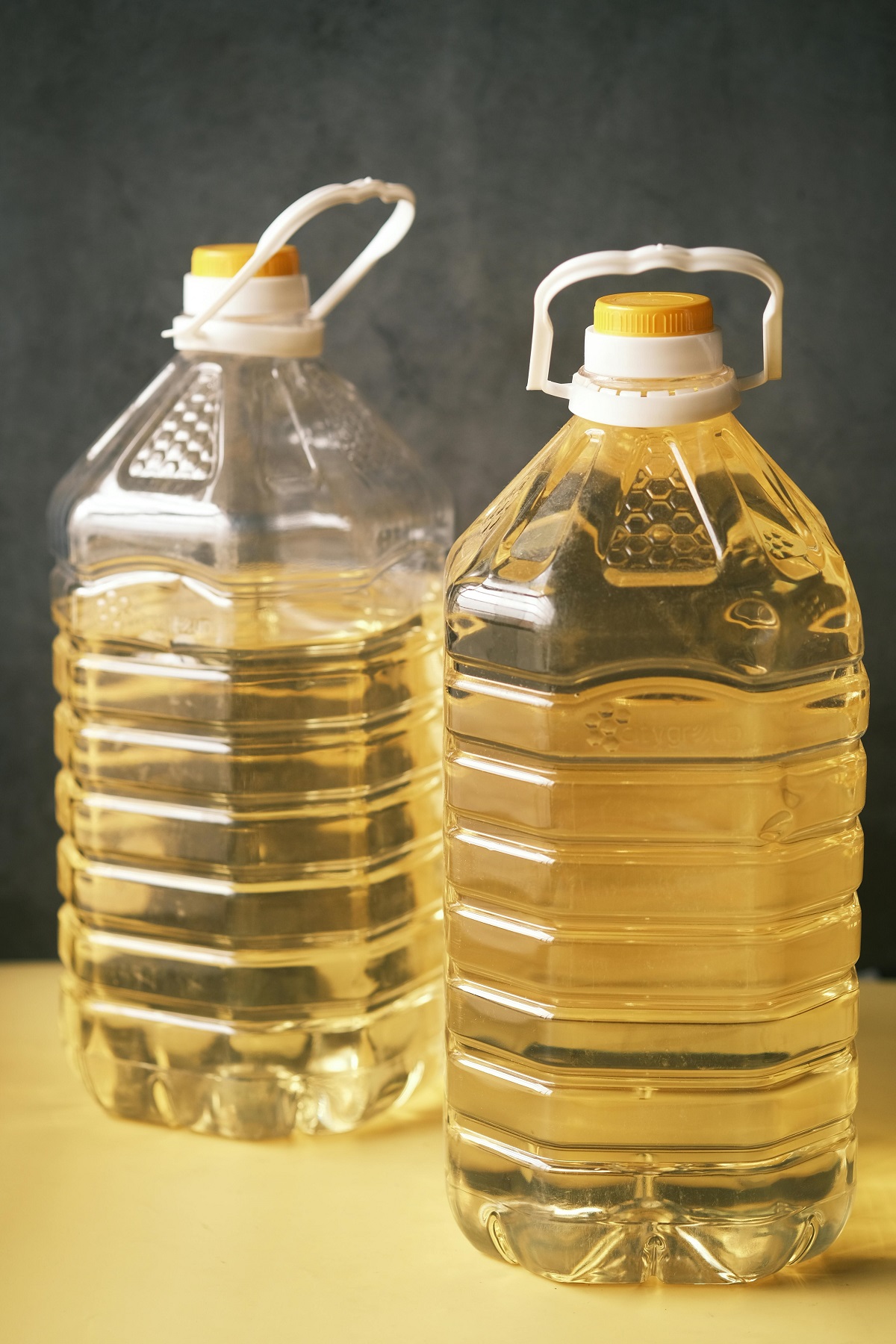
Canola oil is one of the most widely used vegetable oils in the world known for its light flavor high smoke point and versatility in both home cooking and commercial food production. Derived from the seeds of the canola plant a cultivar of rapeseed bred to contain low levels of erucic acid it has become a staple in kitchens restaurants and food manufacturing facilities.
canola oil has gained recognition not only for its culinary uses but also for its potential health benefits. With a favorable fatty acid profile rich omega 3 content and low saturated fat it has been positioned as a heart-friendly alternative to other cooking oils.
The History of Canola Oil
The story of canola oil begins in Canada during the 1970s. While rapeseed had been cultivated for centuries for industrial purposes its oil contained high levels of erucic acid which made it unsuitable for human consumption in large quantities. Scientists in Canada developed a new variety of the plant using traditional crossbreeding techniques significantly reducing erucic acid and glucosinolate levels.
This newly developed oil was safe mild in taste and versatile. The name canola was coined as a blend of Canada and ola meaning oil reflecting its origin and nature. By the 1980s canola oil had begun to gain global popularity as a healthy cooking oil supported by agricultural expansion and extensive marketing.
Canola Oil is Made
Seed Harvesting
The process starts with the harvesting of mature canola seeds which are small and black. These seeds are typically harvested in late summer or early autumn.
Cleaning and Preparation
The seeds are cleaned to remove dirt plant debris and other impurities. They are then preconditioned through mild heating to prepare for pressing.
Mechanical Pressing and Solvent Extraction
The seeds undergo mechanical pressing to extract a portion of the oil. The remaining oil is usually extracted using a solvent often hexanen to maximize yield.
Refining
Refining removes unwanted compounds like free fatty acids phospholipids and pigments. The process typically involves
Degumming removal of phospholipids
Neutralization removal of free fatty acids
Bleaching removal of pigments
Deodorization removal of odors
Packaging
The refined oil is then packaged in bottles or bulk containers for distribution.
Nutritional Profile of Canola Oil
A tablespoon 14 g of canola oil contains approximately
Calories 124
Total fat 14 g
Saturated fat 1 g
Monounsaturated fat 9 g
Polyunsaturated fat 4 g
Omega-3 fatty acids 1300 mg
Omega-6 fatty acids 2600 mg
Vitamin E 16% of the Daily Value DV
Health Benefits of Canola Oil
Heart Health
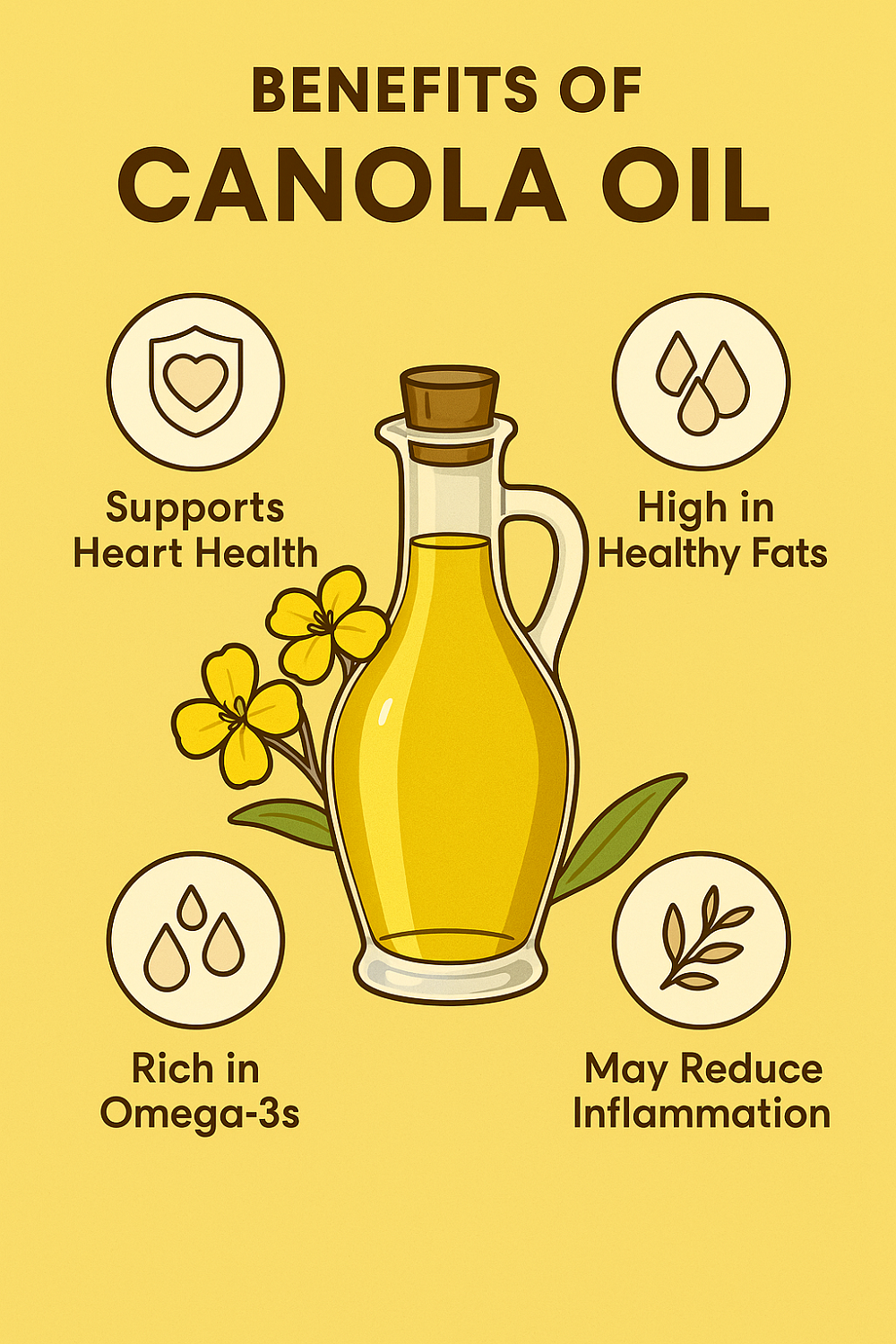
Canola oils low saturated fat and high monounsaturated fat content contribute to reduced LDL bad cholesterol and improved HDL good cholesterol levels. Studies suggest that replacing saturated fats with unsaturated fats may lower the risk of cardiovascular disease.
Anti inflammatory Properties
The omega 3 fatty acids in canola oil may help reduce inflammation which is linked to chronic conditions like arthritis heart disease and certain autoimmune disorders.
Skin Health
Canola oils vitamin E and essential fatty acids make it beneficial for skin hydration elasticity and repair when used in skincare formulations.
Brain Function
ALA found in canola oil is a precursor to DHA a critical omega 3 fatty acid for brain health. Although the body’s conversion rate is low regular intake supports neurological well being.
Weight Management
Because canola oil is calorie dense but composed largely of healthy fats it can help provide satiety and prevent overeating when used in moderation.
Culinary Uses of Canola Oil
High Heat Cooking
With a smoke point of around 400°F 204°C canola oil is ideal for frying sautéing and baking without breaking down easily.
Baking
Its light flavor allows it to blend seamlessly into baked goods like cakes muffins and breads.
Salad Dressings and Marinades
Its mild taste makes it a perfect base for vinaigrettes and marinades.
Grilling
Brushing vegetables or meat with canola oil before grilling prevents sticking and enhances browning.
Canola Oil in Skincare and Cosmetics
Beyond the kitchen canola oil is used in moisturizers hair conditioners and lip balms. Its emollient properties help lock in moisture while vitamin E acts as an antioxidant to combat free radical damage.
Controversies and Considerations
While canola oil is generally considered safe and healthy some controversies persist
-
GMO Concerns Much of the canola grown today is genetically modified for pest resistance. For consumers avoiding GMOs organic and non GMO certified canola oil is available.
-
Refining Process The solvent extraction method and high temperature refining lead some to prefer cold-pressed or expeller pressed oils.
-
Omega 6 Balance Though canola oil is relatively balanced excessive omega 6 intake compared to omega 3 may promote inflammation.
How to Choose and Store Canola Oil
Choosing
Look for cold pressed or expeller pressed options for minimal processing.
Organic or non GMO labels if you want to avoid genetically modified crops.
Storage
Keep in a cool dark place to prevent oxidation.
Use within 6 12 months of opening for optimal freshness.
Comparison with Other Oils
| Oil Type | Saturated Fat | Monounsaturated Fat | Omega-3 | Smoke Point | Best For |
|---|---|---|---|---|---|
| Canola Oil | 7% | High | Yes | 400°F | Frying, baking, salad dressings |
| Olive Oil | 14% | Very High | Low | 375°F | Salad dressings, sautéing |
| Sunflower Oil | 10% | High | No | 440°F | High-heat cooking |
| Coconut Oil | 87% | Low | No | 350°F | Baking, tropical flavor dishes |