
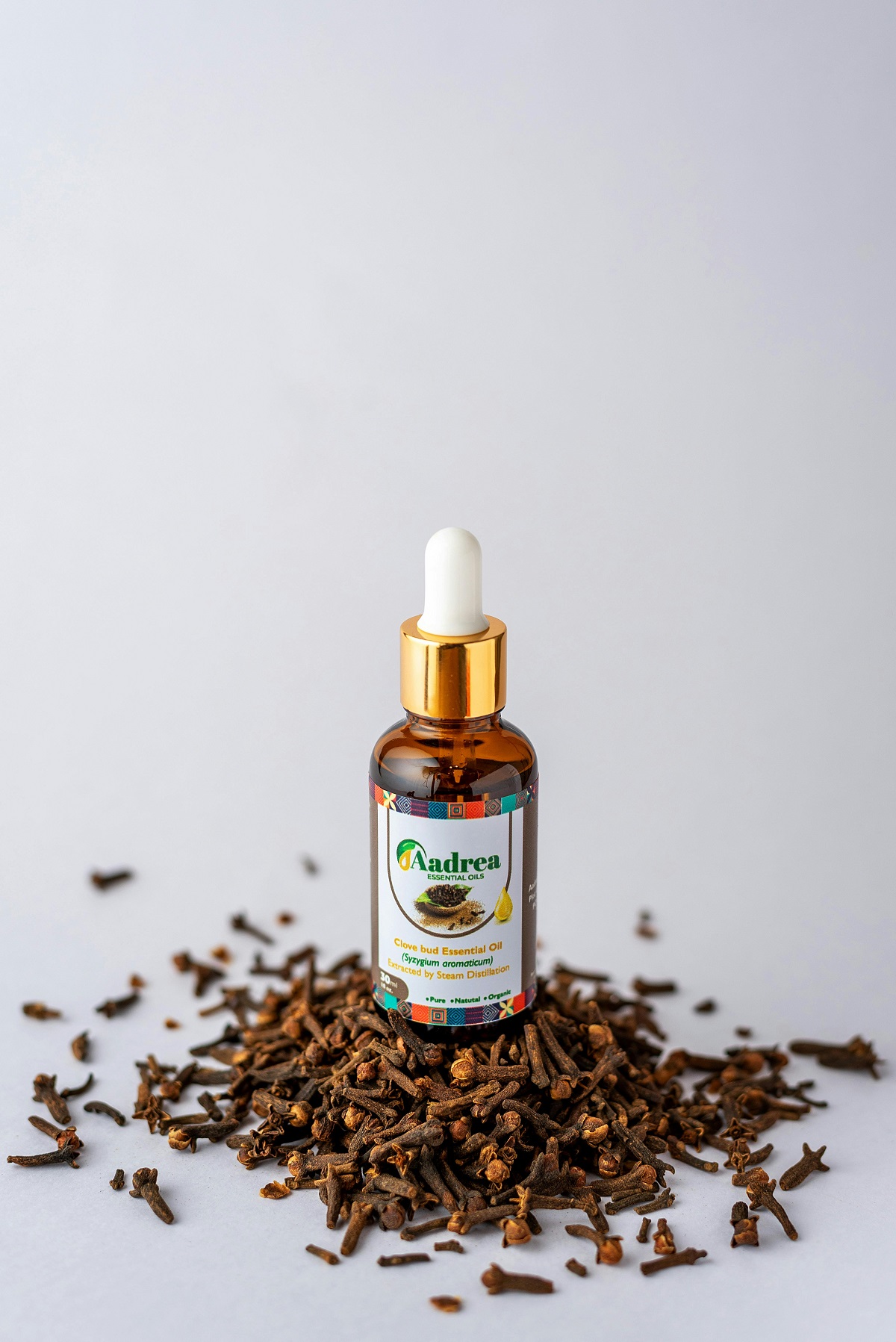
Clove oil a highly aromatic and medicinal essential oil has been treasured for centuries across cultures for its remarkable range of therapeutic benefits. Extracted from the dried flower buds of the Syzygium aromaticum tree this potent oil contains a rich concentration of active compounds.
Most notably eugenol which gives it its signature warm spicy fragrance and impressive healing properties. From ancient Ayurvedic practices to modern natural medicine clove oil has established itself as a versatile remedy supporting oral health skincare pain relief and even household cleaning.
Historical Background and Cultural Significance
The use of clove oil dates back thousands of years. Ancient Chinese medicine texts from as early as 200 BCE documented cloves being used to freshen breath and aid digestion. In medieval Europe cloves were prized not just for their medicinal properties but also as a symbol of wealth and prestige due to their rarity and expense. Sailors and traders transported cloves from the Maluku Islands also known as the Spice Islands to global markets making them one of the most valuable commodities in the spice trade.
In Ayurveda clove oil was regarded as a heating oil used to balance certain doshas stimulate circulation and address respiratory and digestive ailments. Similarly traditional Indonesian and African remedies incorporated clove oil for wound healing toothache relief and to ward off infections.
Its cultural impact extends beyond medicine cloves were also used in cooking religious rituals and even as natural preservatives due to their antimicrobial power.
Chemical Composition and Why It Works
The powerful effects of clove oil are rooted in its chemical makeup. The primary active compound eugenol makes up between 70 90% of the oil and is responsible for most of its therapeutic qualities. Eugenol is a potent antioxidant anti inflammatory and natural analgesic.
Other key compounds include
Beta caryophyllene an anti inflammatory terpene.
Vanillin adds a subtle sweet aroma.
Acetyl eugenol enhances antibacterial activity.
Caryophyllene oxide contributes to antifungal properties.
These compounds work synergistically to fight pathogens reduce pain and support overall health. Modern research has confirmed clove oil effectiveness in killing bacteria reducing oxidative stress and promoting wound healing.
Health Benefits of Clove Oil

Oral Health Champion
One of clove oils most famous uses is in dentistry. Its numbing effect on nerves makes it ideal for toothache relief and its antimicrobial properties help prevent infections.
Toothache Relief Applying diluted clove oil directly to the affected tooth can provide quick pain relief.
Gum Infections It combats gum inflammation and bacterial overgrowth reducing the risk of gingivitis.
Bad Breath Gargling with a diluted clove oil solution helps freshen breath naturally.
Clove oil remains an ingredient in many commercial toothpastes and mouthwashes proving that this ancient remedy still has a place in modern dental care.
Powerful Antimicrobial and Antifungal Agent
Clove oil’s ability to kill bacteria fungi and even some viruses makes it a natural alternative to chemical disinfectants.
Skin Infections It can help treat fungal conditions like athlete’s foot.
Food Preservation Adding a few drops to food storage solutions helps prevent spoilage.
Surface Cleaning Diluted clove oil can be used to sanitize kitchen and bathroom surfaces naturally.
Pain and Inflammation Relief
Thanks to eugenol analgesic and anti inflammatory properties clove oil is a natural remedy for various types of pain.
Muscle Aches A massage blend with clove oil soothes sore muscles.
Joint Pain It reduces swelling and stiffness in arthritis sufferers.
Headaches Inhalation or diluted application to the temples can help ease tension headaches.
Skin Care Benefits
When used correctly clove oil can improve skin health and address several conditions.
Acne Treatment Its antibacterial properties fight acne causing bacteria while its anti inflammatory effects reduce redness.
Wound Healing It promotes faster healing by preventing infections.
Anti-Aging The antioxidants in clove oil combat free radicals, helping to reduce fine lines and maintain youthful skin.
Respiratory Health Support
Clove oil has been traditionally used to ease breathing difficulties and treat respiratory infections.
Cough and Cold Relief Its expectorant properties help loosen mucus.
Asthma and Bronchitis It soothes inflammation in the airways making breathing easier.
Sinus Relief Inhalation of steam infused with clove oil can clear nasal passages.
Digestive Aid
In traditional medicine clove oil was used to improve digestion and relieve gastrointestinal discomfort.
Gas and Bloating It helps relax the digestive tract.
Nausea Inhaling its aroma can reduce feelings of queasiness.
Stomach Ulcers studies suggest eugenol may protect against ulcer-causing bacteria.
Emotional and Mental Wellness
The warm spicy aroma of clove oil has an uplifting and stimulating effect on the mind.
Stress Reduction Diffusing clove oil can help calm anxiety.
Mental Alertness improves concentration and focus.
Mood Enhancement Its scent is often associated with comfort and energy.
How to Use Clove Oil Safely
While clove oil is highly beneficial it is also very potent and must be used with care.
Guidelines for Safe Use
Always dilute with a carrier oil like coconut almond, or olive oil before applying to skin.
Perform a patch test before first use to avoid allergic reactions.
Avoid contact with the eyes and sensitive areas.
For internal use only do so under the supervision of a qualified healthcare professional.
Pregnant and breastfeeding women should consult a doctor before use.
Forms of Clove Oil Available
Pure Essential Oil most concentrated form ideal for aromatherapy and topical blends.
Diluted Oil Preparations Ready-to-use products for skin or oral care.
Capsules are Convenient for internal supplementation under professional guidance.
Infused Oils: Gentler version for massage and skincare.
Scientific Studies on Clove Oil
Numerous studies have validated clove oils therapeutic potential. Research has shown
Strong antibacterial action against E. coli Staphylococcus aureus and other pathogens.
Potent antioxidant activity comparable to synthetic antioxidants.
Natural anesthetic effect making it valuable for dental and minor pain relief.
Potential Side Effects
While generally safe in small amounts clove oil can cause
Skin irritation may occur if applied undiluted.
Allergic reactions in sensitive individuals.
Toxicity if ingested in large quantities.
Always follow recommended usage guidelines and consult with a professional for specific health conditions.