
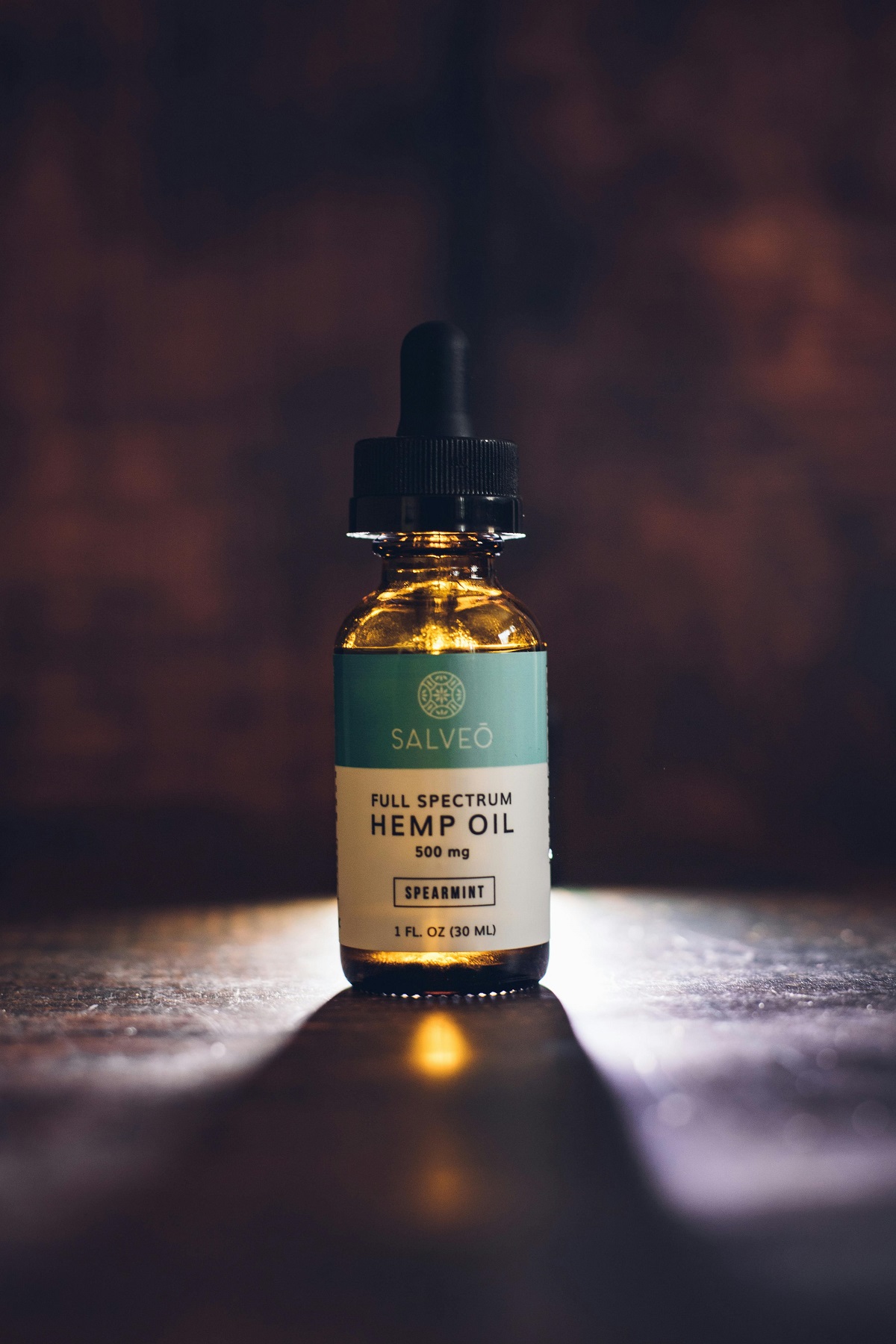
Hemp seed oil has been gaining tremendous attention in recent years both in the health and wellness community and in the broader marketplace for natural products. Extracted from the seeds of the hemp plant Cannabis sativa this nutrient-rich oil is celebrated for its remarkable health benefits versatile applications and eco-friendly production. Unlike CBD oil which is derived from the flower leaves and stalks of the hemp plant hemp seed oil contains little to no cannabinoids.
Instead its value lies in its impressive nutritional composition which includes essential fatty acids vitamins minerals and antioxidants that make it a powerhouse for both internal health and external use in skincare and haircare. We will explore the origins of hemp seed oil its nutritional profile scientifically backed health benefits culinary uses applications in beauty and skincare potential side effects and tips on choosing and using high-quality hemp seed oil.
Origins and Extraction of Hemp Seed Oil
Hemp seed oil comes from cold-pressing the seeds of the hemp plant a process that ensures the preservation of its delicate nutrients. Hemp has been cultivated for thousands of years across many cultures not only for its seeds but also for its fibers which were used in ropes sails and textiles. Hemp belongs to the same plant family as marijuana. It is non-psychoactive because it contains only trace amounts of THC.
This makes hemp seed oil completely safe for consumption without the mind-altering effects often associated with cannabis. The best quality hemp seed oil is extracted through cold-pressing methods where the seeds are mechanically pressed without the use of heat or solvents. This method ensures that the oil retains its natural green color nutty flavor and high concentration of essential fatty acids. Once extracted the oil is filtered and bottled for culinary medicinal and cosmetic use.
Nutritional Composition of Hemp Seed Oil
The nutritional richness of hemp seed oil is one of its defining features. It contains a unique balance of omega-6 and omega-3 fatty acids in an ideal ratio of about 3:1. which supports cardiovascular health brain function and inflammation regulation. This ratio is considered optimal by nutritionists because most modern diets tend to be deficient in omega-3s and overloaded with omega-6s which can promote inflammation when unbalanced. Hemp seed oil also provides gamma-linolenic acid GLA a rare type of omega-6 fatty acid with anti-inflammatory properties that may help with conditions like arthritis PMS and eczema.
In addition it is rich in vitamin E a potent antioxidant that protects cells from oxidative stress and supports skin and immune health. Hemp seed oil further contains minerals such as magnesium, phosphorus, potassium, calcium, zinc, and iron, all of which contribute to energy metabolism bone strength and immune defense. Its amino acid profile is also notable as hemp seeds are one of the few plant-based sources that provide all nine essential amino acids making hemp-derived foods an excellent protein source for vegetarians and vegans.
Health Benefits of Hemp Seed Oil

Supports Heart Health
The balanced omega-3 and omega-6 fatty acid profile of hemp seed oil makes it particularly beneficial for cardiovascular health. Studies suggest that these fatty acids help lower blood pressure reduce triglycerides and improve cholesterol levels. Hemp seed oil’s omega-3 content can help prevent plaque buildup in arteries reducing the risk of heart disease and stroke. Furthermore the presence of arginine an amino acid found in hemp seeds promotes the production of nitric oxide which relaxes blood vessels and enhances circulation.
Anti-Inflammatory Properties
One of the most well-documented benefits of hemp seed oil is its ability to reduce inflammation. Gamma-linolenic acid GLA has been found to modulate the body’s inflammatory responses which makes hemp seed oil potentially helpful for chronic inflammatory conditions such as arthritis asthma and autoimmune disorders. People who suffer from inflammatory skin conditions like eczema and psoriasis often experience relief when using hemp seed oil both topically and internally.
Boosts Skin Health
Hemp seed oil has become a staple ingredient in natural skincare products because of its nourishing and moisturizing properties. Its fatty acids strengthen the skin barrier helping it retain moisture and remain supple. Vitamin E and antioxidants protect the skin from free radicals and environmental damage which contribute to premature aging. Hemp seed oil is also non-comedogenic meaning it does not clog pores making it suitable for acne-prone skin. Its anti-inflammatory properties can reduce redness irritation and flare-ups associated with skin conditions such as eczema dermatitis and rosacea.
Supports Brain Function
The human brain is rich in fats and omega-3 fatty acids are crucial for maintaining cognitive function and mental health. Hemp seed oil provides essential fatty acids that support brain development memory and mood regulation. Emerging research suggests that diets rich in omega-3s may reduce the risk of neurodegenerative diseases such as Alzheimer’s and Parkinson’s. While hemp seed oil does not contain cannabinoids like CBD its nutritional profile still offers indirect benefits for mental clarity and emotional balance.
Hormonal Balance and PMS Relief
The GLA found in hemp seed oil plays an important role in hormone regulation. It helps regulate prostaglandins hormone-like compounds that influence inflammation and pain responses in the body. Research suggests that women who suffer from premenstrual syndrome PMS may benefit from hemp seed oil supplementation because it can alleviate common symptoms such as breast tenderness irritability and menstrual cramps. Some studies also suggest that GLA may support women with menopausal symptoms by stabilizing mood swings and reducing hot flashes.
Immune System Support
The essential fatty acids in hemp seed oil contribute to a strong immune system by supporting the development of healthy cell membranes and regulating inflammation. Hemp seed oil’s antioxidants such as vitamin E further protect immune cells from oxidative stress enabling the body to better defend against pathogens. Regular consumption of hemp seed oil may therefore help reduce the frequency of infections and promote faster recovery.
Supports Weight Management and Metabolism
Hemp seed oil may indirectly support weight management by promoting healthy metabolism and reducing inflammation that can interfere with weight control. The omega-3 fatty acids improve insulin sensitivity which is beneficial for regulating blood sugar levels and reducing the risk of type 2 diabetes. Additionally the presence of protein and amino acids in hemp-derived foods can help maintain satiety preventing overeating.
Culinary Uses of Hemp Seed Oil
Hemp seed oil has a light nutty flavor that makes it a delicious addition to many dishes. It can be used in salad dressings smoothies dips and drizzled over roasted vegetables or pasta. Because hemp seed oil has a low smoke point it should not be used for frying or high-heat cooking as this can degrade its nutrients and cause the oil to become rancid. Instead it is best used as a finishing oil or in cold dishes. Some health enthusiasts also take hemp seed oil by the spoonful as a daily supplement to reap its nutritional benefits.
Hemp Seed Oil in Skincare and Beauty
The skincare industry has embraced hemp seed oil for its ability to hydrate soothe and protect the skin. It is often found in lotions creams facial oils and serums. When applied topically hemp seed oil helps regulate oil production making it beneficial for both dry and oily skin types. Its anti-inflammatory and antibacterial properties make it useful in calming acne-prone skin while simultaneously preventing scarring and redness. Beyond skincare hemp seed oil is also a popular ingredient in haircare products. It nourishes the scalp strengthens hair strands and adds shine making it an excellent natural alternative to synthetic conditioners.
Hemp Seed Oil in Traditional and Alternative Medicine
Historically hemp has been used in various cultures for its medicinal properties. In traditional Chinese medicine hemp seeds were valued for promoting digestion and supporting overall vitality. Today hemp seed oil is being studied for its role in supporting alternative treatments for conditions like multiple sclerosis arthritis and even cancer although more research is needed to confirm these uses. Many alternative practitioners recommend hemp seed oil as part of a holistic approach to wellness emphasizing its nutritional support for the body’s natural healing processes.
Side Effects and Considerations
Hemp seed oil is generally considered safe for most people when consumed in moderation. However because of its high-fat content excessive consumption may cause digestive issues such as diarrhea or stomach upset. People taking blood-thinning medications should consult with a healthcare provider before adding hemp seed oil to their diet as it may increase the risk of bleeding due to its omega-3 content. It is also important to store hemp seed oil properly in a cool dark place to prevent it from going rancid. Refrigeration after opening is recommended to maintain freshness.
Choosing the Best Hemp Seed Oil
When purchasing hemp seed oil, it is important to choose high-quality cold-pressed and unrefined varieties. Look for products labeled as organic and non-GMO to avoid exposure to pesticides and chemicals. The oil should have a greenish color and a nutty aroma which are indicators of freshness and purity. Avoid refined hemp seed oils as they lose much of their nutritional value during processing. For skincare purposes ensure that the product is labeled for cosmetic use if you plan to apply it directly to your skin.