
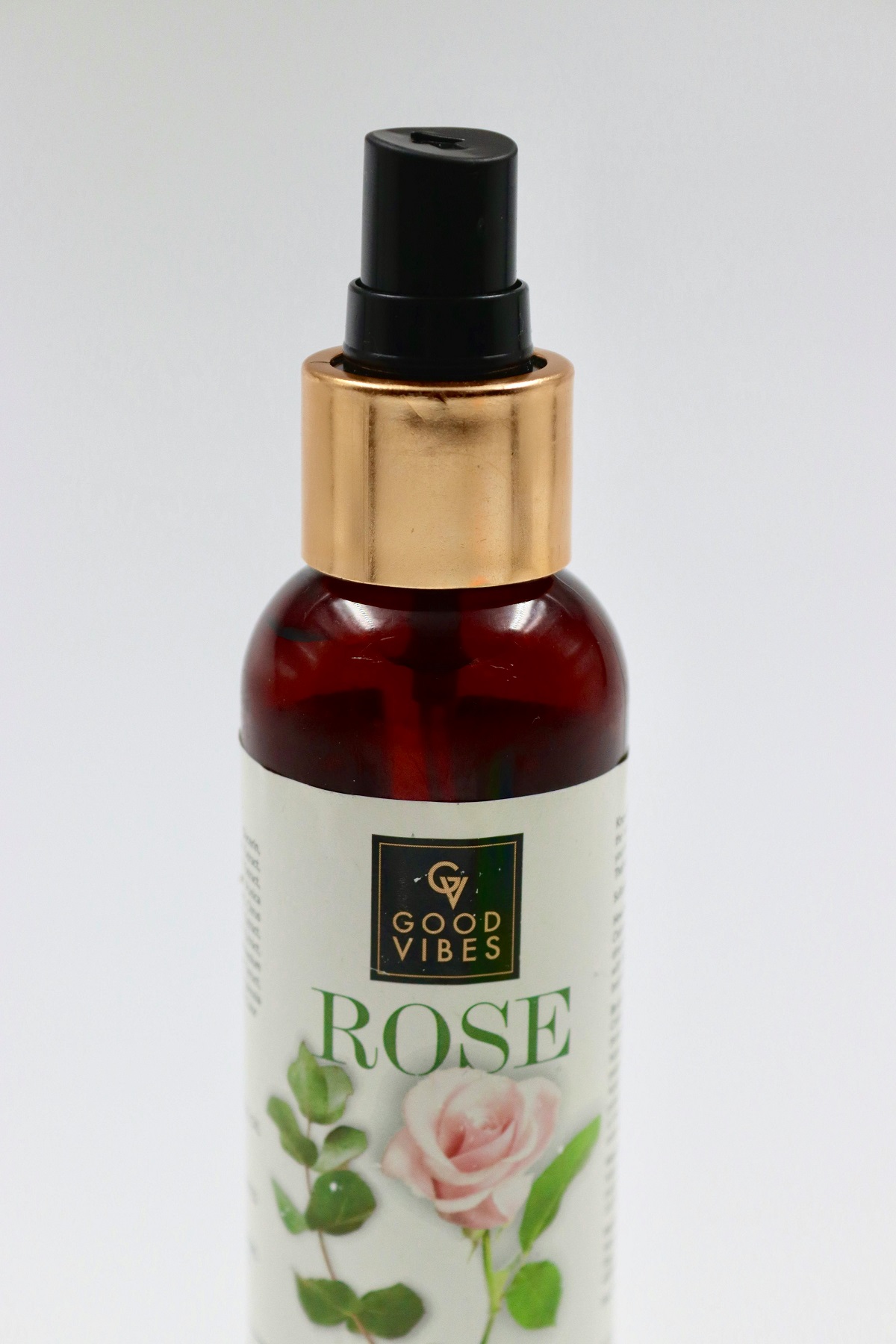
Rose oil has been treasured as one of the most luxurious and therapeutic natural oils in the world. Extracted from the delicate petals of the rose flower this precious oil has held an almost mystical reputation in cultures across the globe from the ancient Egyptians to modern-day skincare enthusiasts. Rose oil is often considered the queen of essential oils not only because of its rarity and cost but also due to its incredible therapeutic and aromatic benefits.
With its captivating fragrance skin-rejuvenating properties and emotional healing qualities rose oil has established itself as an essential part of aromatherapy cosmetics and natural medicine. We will explore in detail the history extraction methods therapeutic benefits skincare applications emotional wellness uses culinary traditions and much more, providing you with everything you need to know about this precious oil.
A Brief History of Rose Oil
Rose oil has a long and fascinating history. The first documented uses of roses in medicine and perfumery date back thousands of years. Ancient civilizations such as the Persians Egyptians Greeks and Romans revered roses for their beauty fragrance and healing potential. Cleopatra herself was said to have used rose petals in her baths to seduce Julius Caesar and later Mark Antony highlighting the flower’s symbolic and sensory power.
The extraction of rose oil is most commonly associated with Persia modern-day Iran. Persian scholars and scientists perfected the process of steam distillation which remains the primary method used today to produce rose essential oil. The renowned Persian physician Avicenna was one of the earliest to describe the medical uses of rose oil in detail. From there, the knowledge of rose distillation spread across Europe and Asia making roses a central part of herbal medicine and perfumery during the Middle Ages and Renaissance.
How Rose Oil is Extracted
The production of rose oil is a delicate and labor-intensive process. It takes approximately 60000 roses to produce just one ounce of pure rose essential oil. This is one reason why rose oil is among the most expensive essential oils in the world.
There are two main extraction methods
Steam Distillation The traditional and most common method. Fresh rose petals are steamed and the vapor is condensed into rose oil and rose water. The oil produced is called rose otto which is highly prized for its purity.
Solvent Extraction In this method solvents like hexane are used to extract aromatic compounds from the petals. The result is called rose absolute. While it has a more intense aroma it is less pure than rose otto and not always suitable for therapeutic use.
Both forms of rose oil however carry powerful aromatic and therapeutic properties.
The Chemical Composition of Rose Oil
Rose oil contains a complex blend of natural compounds that give it its unique fragrance and healing abilities. The primary active components include
Citronellol Known for its fresh floral aroma and antimicrobial properties.
Geraniol A powerful antioxidant and anti-inflammatory agent.
Nerol Adds a sweet rose-like fragrance with calming effects.
Phenyl Ethyl Alcohol Responsible for the signature floral scent of roses.
Eugenol Provides mild analgesic and antiseptic benefits.
These natural constituents explain why rose oil is so versatile in aromatherapy skincare and wellness applications.
Benefits of Rose Oil

Rose oil offers a wide variety of benefits that touch on physical health skincare emotional wellness and even spiritual practices. Below is a detailed exploration of its many uses.
Skincare Benefits
Rose oil is one of the most cherished natural ingredients in skincare because of its rejuvenating and healing properties.
Moisturizing and Hydrating Rose oil helps balance skin moisture levels making it particularly beneficial for dry and sensitive skin types.
Anti-Aging Properties Its antioxidant content fights free radicals reducing wrinkles and promoting youthful glowing skin.
Soothes Inflammation Its anti-inflammatory properties calm irritated skin making it effective for conditions like eczema and rosacea.
Scar and Blemish Healing Rose oil promotes cell regeneration which helps fade scars acne marks and stretch marks.
Natural Toner It tightens pores and refreshes the skin without causing dryness.
Emotional and Mental Health Benefits
The fragrance of rose oil is widely considered to be uplifting comforting and emotionally healing. Aromatherapists often describe it as balm for the heart.
Reduces Stress and Anxiety Inhaling rose oil can lower cortisol levels helping the body manage stress more effectively.
Antidepressant Effects Its scent is known to lift mood making it useful for individuals battling sadness depression or emotional fatigue.
Promotes Relaxation and Better Sleep A few drops diffused in the bedroom can create a calming environment conducive to deep sleep.
Enhances Romance and Intimacy Often considered an aphrodisiac rose oil has been used for centuries to enhance intimacy and passion.
Physical Health Benefits
Rose oil also provides several health-boosting effects beyond skincare and emotional wellness.
Antimicrobial Properties – It can fight harmful bacteria, making it useful in natural remedies for infections.
Supports Women’s Health Rose oil has been traditionally used to ease menstrual discomfort cramp and mood swings.
Respiratory Relief Inhaling rose oil vapor can ease breathing issues and support lung function.
Boosts Circulation When used in massage rose oil may improve blood circulation and promote overall vitality.
Pain Relief Its mild analgesic properties make it effective for easing headaches and muscle soreness.
Aromatherapy Uses
In aromatherapy rose oil is considered one of the most valuable essential oils due to its profound effects on the mind and body.
Diffuse for Stress Relief Add a few drops of rose oil to a diffuser to create a calming atmosphere.
Massage Therapy Mix with a carrier oil like jojoba or almond) for a luxurious massage that nourishes the skin and relaxes the body.
Bath Rituals Add a few drops to bath water for a soothing and aromatic soak.
Perfume Blending Rose oil is often blended with other essential oils such as sandalwood frankincense and lavender for personalized natural perfumes.
Rose Oil in Beauty and Cosmetics
Due to its luxurious aroma and skin benefits rose oil is a staple ingredient in high-end perfumes facial serums moisturizers and body creams. Many natural beauty brands use rose oil as a key ingredient in products designed to hydrate soothe and rejuvenate the skin.
Culinary Uses of Rose Oil
While not as common as rose water rose oil has been used in small amounts in culinary traditions particularly in Middle Eastern and Indian cuisines. A tiny drop can add an exotic floral flavor to desserts syrups and beverages. However it’s crucial to ensure that the oil used is food-grade and safe for ingestion.
Spiritual and Cultural Significance of Rose Oil
Roses have long been associated with love purity and spirituality. In many cultures rose oil is used in meditation prayer and religious ceremonies. The fragrance is believed to elevate the spirit open the heart and enhance spiritual awareness. In Sufi traditions roses symbolize divine love, and rose oil has been used in rituals to create a sense of peace and closeness to the divine.
How to Use Rose Oil Safely
While rose oil is generally safe it is highly concentrated and should be used with care.
-
Dilution Always dilute rose oil with a carrier oil before applying it to the skin. A common ratio is 2–3 drops of rose oil per teaspoon of carrier oil.
-
Patch Test Perform a patch test before widespread application to check for allergic reactions.
-
Avoid Overuse A few drops are sufficient due to the oil’s potency.
-
Pregnancy and Children Consult a healthcare professional before using rose oil during pregnancy or on children.
-
Ingestion Only consume rose oil if it is labeled food-grade and under the guidance of a professional.
The Rarity and Cost of Rose Oil
Rose oil is considered one of the most expensive essential oils in the world. The high cost is due to the labor-intensive harvesting process. Roses must be picked by hand often in the early morning when their fragrance is strongest and massive quantities of petals are required to produce even a small amount of oil. Despite its high price many enthusiasts consider rose oil worth the investment due to its unmatched fragrance and therapeutic properties.