
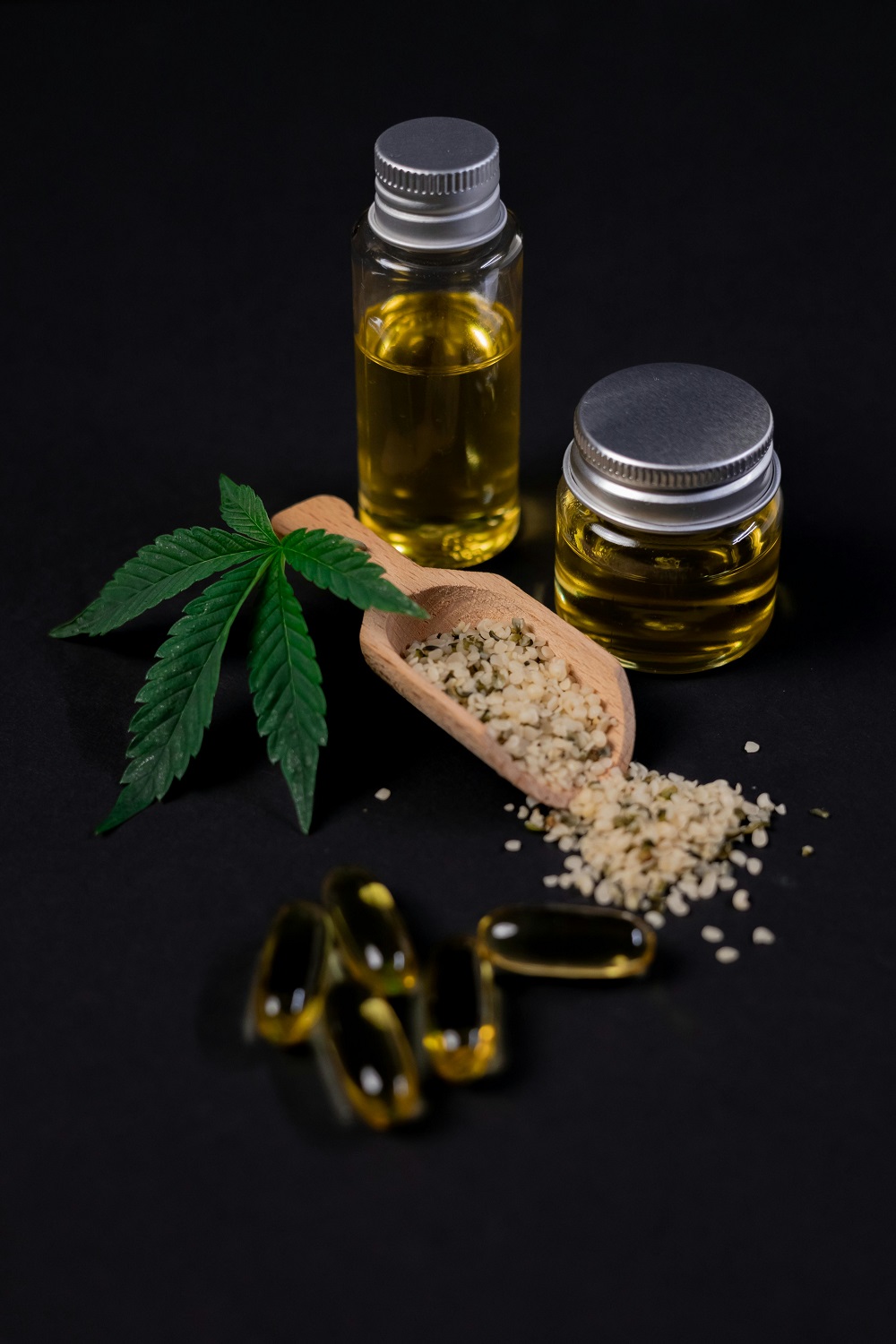
Coriander seed oil derived from the seeds of the Coriandrum sativum plant is one of the most versatile essential oils in the world of natural health and wellness. While the green leaves of this plant popularly known as cilantro, are used extensively in global cuisines the seeds carry a completely different aroma and nutritional profile. From these seeds comes a fragrant oil with a warm spicy and slightly woody scent that has been treasured for thousands of years.
In ancient cultures coriander was more than just a spice it was considered a medicinal herb an ingredient of perfumes and even a symbol of love and fertility. Today, coriander seed oil continues to gain recognition for its diverse uses in health beauty cooking and even industry. It is a powerhouse of bioactive compounds that offer natural remedies for digestion skin conditions stress management and more. We will explore everything you need to know about coriander seed oil from its history and nutritional value to its health benefits culinary applications cosmetic uses safety considerations and frequently asked questions.
Historical Background and Origin
Coriander has been cultivated and used for over three millennia, with its presence recorded in some of the earliest civilizations. Archaeological evidence suggests that coriander seeds were placed in the tombs of ancient Egyptians as early as 1500 BCE not only as a spice but also as a medicinal and spiritual offering. The Greeks and Romans also recognized its value; Roman soldiers carried coriander seeds to flavor bread and wine while Greek physicians used it for digestive issues and respiratory problems.
In traditional Ayurvedic medicine coriander seeds and their oil were prescribed to balance the digestive system, detoxify the body, and soothe inflammatory conditions. Similarly, in Chinese medicine, coriander was believed to restore energy and improve circulation. The transition from ancient remedies to modern uses demonstrates how coriander seed oil has remained relevant across cultures and eras. Its persistent importance is a testament to its powerful properties and broad range of applications.
Extraction Process of Coriander Seed Oil
Coriander seed oil is primarily extracted through steam distillation a method that carefully preserves the natural aromatic compounds and therapeutic constituents of the seeds. In this process steam passes through the dried seeds causing the oil to evaporate. The vapor is then cooled and condensed into liquid form yielding a highly concentrated essential oil. This steam distilled oil is most commonly used in aromatherapy massage blends and skincare formulations.
Another less common method of extraction is cold pressing where the seeds are mechanically pressed to release oil. Cold pressed coriander oil tends to retain more of the natural flavor and nutrients making it more suitable for culinary applications, although it is not as widely available. Regardless of the method, the final oil is pale yellow to colorless, with a distinctive spicy-sweet aroma that reflects its high linalool content. Understanding the extraction process helps us appreciate why this oil is so potent and why only small amounts are needed for therapeutic and culinary purposes.
Nutritional Composition and Active Compounds
The health-promoting qualities of coriander seed oil are largely attributed to its complex chemical composition. The primary component is linalool which typically makes up 60 70% of the oil. Linalool is a terpene alcohol that is well known for its calming anti-inflammatory and antimicrobial effects and it plays a central role in the therapeutic potential of coriander seed oil. Other important compounds include geranyl acetate which contributes to antioxidant activity and a fruity aroma α-pinene and γ-terpinene both of which provide antioxidant and anti-inflammatory benefits and minor constituents like camphor and borneol which support relaxation and digestive health.
When considered from a nutritional standpoint coriander seed oil also contains valuable fatty acids and vitamins. In edible grade coriander seed oil 100 grams provide around 884 calories almost entirely from fat. The fat composition is highly favorable with about 65 70% monounsaturated fats 18 20% polyunsaturated fats and only about 8 10% saturated fats. These healthy fats make coriander seed oil supportive of heart health and cholesterol balance. Additionally the oil provides vitamin E a powerful antioxidant that protects cells from oxidative damage and supports skin and immune health. With such a balanced combination of bioactive compounds and nutrients coriander seed oil can rightfully be considered both a functional food and a therapeutic oil.
Health Benefits of Coriander Seed Oil

The wide-ranging benefits of coriander seed oil make it one of the most versatile oils available. Its uses span across digestion immunity mental health skin care and cardiovascular support making it an invaluable addition to natural wellness practices.
One of its most recognized benefits is its impact on digestive health. Coriander seed oil has strong carminative properties meaning it helps reduce gas formation in the intestines and eases bloating. It stimulates digestive enzymes and bile secretion which improves nutrient absorption and prevents indigestion. Traditional healers have long used coriander seed oil for upset stomach nausea and even mild food poisoning and modern studies support its effectiveness in reducing digestive discomfort.
Equally important are its antimicrobial and antifungal properties. Research has shown that coriander seed oil is effective against harmful bacteria such as Escherichia coli and Salmonella both of which can cause foodborne illnesses. Its antifungal activity also helps combat infections caused by Candida albicans, making it useful for skin care and oral hygiene. This antimicrobial strength explains why coriander seed oil has been used in natural preservatives and herbal remedies.
Coriander seed oil also plays a role in reducing inflammation and pain. Its high concentration of linalool and other terpenes provides natural anti-inflammatory effects which can alleviate muscle aches joint pain and arthritis symptoms. When diluted and massaged onto affected areas, it offers warming relief and improved circulation making it popular among athletes and individuals with chronic pain.
For the cardiovascular system coriander seed oil supports heart health through its lipid-balancing properties. Studies suggest that its fatty acid composition may help lower LDL cholesterol while improving HDL cholesterol thus reducing the risk of heart disease. By including coriander seed oil as part of a balanced lifestyle one can promote long-term cardiovascular well-being.
In the realm of skin health coriander seed oil has a dual role it nourishes and protects the skin while also combating acne-causing bacteria. Its antioxidant content helps neutralize free radicals that contribute to premature aging, while its antimicrobial action reduces breakouts and skin infections. Applied in diluted form it can soothe irritation brighten the complexion and even help reduce fine lines.
Beyond physical health coriander seed oil also contributes to mental well-being. The aroma of coriander seed oil is often described as uplifting and grounding. When used in aromatherapy it reduces anxiety stress and fatigue. The linalool in the oil is believed to influence neurotransmitters in the brain helping to create a calming effect similar to lavender oil. For people who struggle with restlessness or mental exhaustion coriander seed oil can provide a natural solution for relaxation and clarity.
Finally coriander seed oil acts as a detoxifier and metabolic booster. It stimulates liver function aiding in the removal of toxins and supporting better digestion. Some preliminary research even suggests that coriander seed extracts can help regulate blood sugar levels making them potentially valuable for people managing diabetes though further studies are needed to confirm these effects.
Culinary Uses of Coriander Seed Oil
While coriander seed oil is most commonly associated with aromatherapy and topical applications it also has culinary value when produced in food-grade quality. Because the oil is highly concentrated, only a drop or two is enough to impart its distinctive flavor. It is often used in the preparation of liqueurs baked goods and pickled vegetables where its spicy-sweet aroma enhances complexity. In Middle Eastern and Asian cuisines coriander seed oil can be added to curries marinades and soups for a unique depth of flavor. A few drops mixed into salad dressings or blended with olive oil can transform a simple dish into something special. Additionally coriander seed oil has been used in the production of certain beverages including gin and herbal teas where it acts as both a flavoring agent and a digestive aid.
However it is important to emphasize that only food-grade coriander seed oil should be used in cooking as most essential oils are produced for aromatherapy and may not be safe for ingestion. Even when using food-grade oil it should be added sparingly to avoid overpowering flavors.
Cosmetic and Skincare Applications
In the beauty and wellness industry coriander seed oil is valued as both a functional ingredient and a luxurious addition to natural formulations. Its antimicrobial and anti-inflammatory qualities make it effective in treating acne-prone skin while its antioxidant properties help slow down signs of aging. When blended with carrier oils such as jojoba almond or grapeseed oil coriander seed oil can be applied as a nourishing facial oil that brightens skin tone reduces blemishes and protects against environmental stressors.
For hair care coriander seed oil strengthens the scalp by stimulating circulation and nourishing the follicles. Regular use may help reduce dandruff improve shine and encourage healthier hair growth. In massage therapy coriander seed oil is often blended with warming oils like black pepper or ginger to create a soothing mixture that relieves muscle tension and promotes relaxation. Its aroma also enhances the overall massage experience leaving clients both physically and mentally rejuvenated.
Because of its rich scent and therapeutic qualities coriander seed oil is also a valued ingredient in perfumery and aromatherapy blends. It contributes a warm spicy note that pairs well with citrus floral and woody oils making it a versatile component in natural fragrance design.
Industrial and Miscellaneous Uses
Beyond personal health and beauty, coriander seed oil has applications in food preservation pharmaceuticals and even perfumery. Its antimicrobial properties make it a natural preservative extending the shelf life of certain foods and cosmetic products. In pharmaceuticals coriander seed oil is used in digestive remedies topical creams and herbal supplements. Its distinctive aroma ensures its place in perfumery where it adds complexity and warmth to both masculine and feminine fragrances.
Side Effects and Safety Precautions
While coriander seed oil offers many health benefits, it must be used with caution. Because it is highly concentrated it should never be applied directly to the skin without dilution in a carrier oil. Overuse or improper application may cause skin irritation or allergic reactions in sensitive individuals. As with all essential oils, a patch test is recommended before widespread use.
Pregnant and breastfeeding women should avoid coriander seed oil unless advised by a healthcare professional. People with chronic conditions especially diabetes low blood pressure or heart disease should consult their doctor before using coriander seed oil as it may interact with medications. When using coriander seed oil in cooking it is crucial to use only oils labeled as food-grade and even then only in very small quantities.
Frequently Asked Questions
Is coriander seed oil the same as cilantro oil?
No. Coriander seed oil comes from the seeds, while cilantro oil is derived from the leaves. They have different chemical compositions, aromas, and therapeutic properties.
Can coriander seed oil be used for hair growth?
Yes. Regular application on the scalp may improve circulation, strengthen follicles, and help reduce dandruff, thereby promoting healthier hair growth.
Does coriander seed oil help with stress and anxiety?
Yes. Its high linalool content provides calming effects, and its aroma is often used in aromatherapy to reduce stress, anxiety, and fatigue.
Can I use coriander seed oil in cooking?
Yes, but only if it is specifically labeled as food-grade. Most essential oils are intended for external use only. Always use it sparingly due to its strong flavor.
Are there any drug interactions with coriander seed oil?
Yes, coriander seed oil may lower blood sugar and blood pressure, so it can interact with medications prescribed for diabetes and hypertension. Always seek medical advice before using it alongside prescription medicines.