
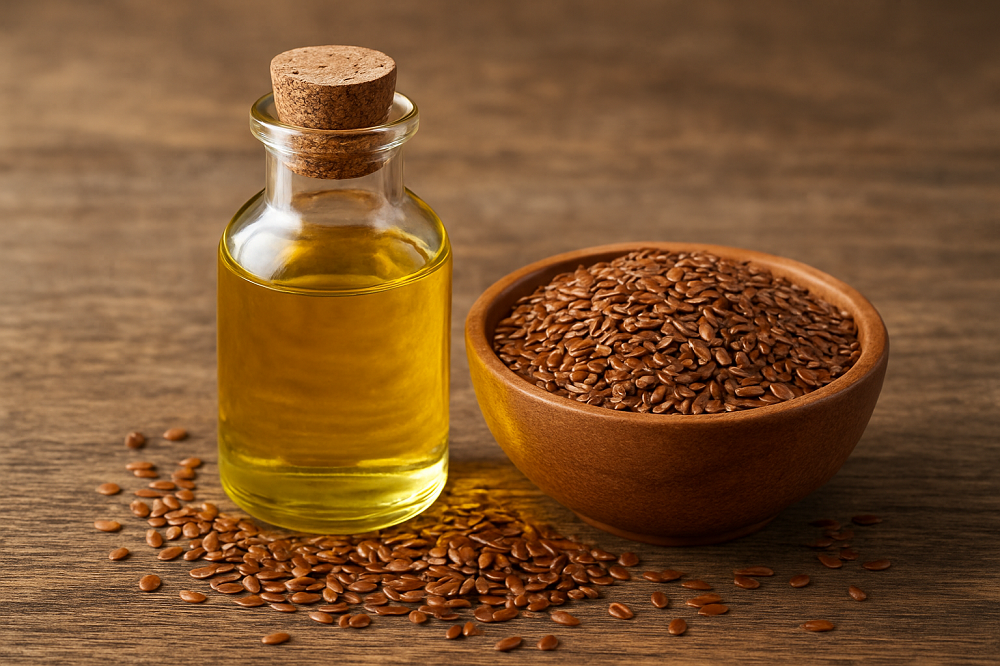
Flaxseed oil also known as linseed oil is a nutrient-dense oil extracted from the seeds of the flax plant Linum usitatissimum. For centuries flax has been cultivated as both a food and a fiber crop valued for its strong fibers in textiles and its nutrient-rich seeds in human nutrition. Flaxseed oil has become especially popular as a natural supplement and functional food ingredient because of its impressive omega-3 fatty acid content, particularly alpha-linolenic acid ALA. Unlike many other plant oils, flaxseed oil provides a unique nutritional profile that supports heart health, reduces inflammation, promotes skin wellness, and even benefits digestive function.
What sets flaxseed oil apart is its combination of healthy fats antioxidants and plant-based compounds that work together to deliver broad health benefits. Whether consumed internally as a supplement drizzled over salads or applied topically as part of a skincare routine flaxseed oil is a versatile addition to a healthy lifestyle. In this article, we will explore the history extraction process nutritional profile health benefits culinary uses cosmetic applications industrial roles possible side effects and frequently asked questions about flaxseed oil.
History and Origin of Flaxseed Oil
The history of flaxseed dates back thousands of years making it one of the oldest cultivated crops in human civilization. Archaeological evidence suggests that flax was grown in Mesopotamia as early as 3000 BCE where it served as a vital source of food and fiber. Ancient Egyptians used flax fibers for linen production and flaxseed oil in their diet and medicinal remedies. The Greeks and Romans also valued flax for its healing properties often using the oil as a laxative and as a topical treatment for wounds and skin irritations.
In Ayurvedic medicine flaxseeds and their oil have been prescribed for balancing digestion enhancing skin glow and reducing inflammation in the body. Similarly traditional Chinese medicine recognized flaxseed oil for its ability to nourish internal organs and improve circulation. Over time flaxseed oil transitioned from a traditional healing agent to a scientifically recognized functional food and dietary supplement. Today it is globally acknowledged for its omega-3 fatty acid content and continues to be one of the most popular plant-based oils in natural health markets.
Extraction Process of Flaxseed Oil
Flaxseed oil can be extracted using several methods but the process largely determines its nutritional quality and suitability for culinary or industrial use.
Cold-Pressed Extraction This is the preferred method for producing food-grade flaxseed oil. The seeds are mechanically pressed at low temperatures which helps preserve the delicate omega-3 fatty acids and prevents oxidation. The result is a golden-yellow oil with a mild nutty flavor suitable for human consumption.
Solvent Extraction Used mainly for industrial purposes this method involves using chemical solvents to extract oil from flaxseeds. While efficient it often reduces the nutritional value and may not be safe for dietary use.
Refined Oil Processing Some flaxseed oils undergo refining to improve shelf life and stability. However refining can remove some beneficial compounds making cold-pressed varieties the superior choice for nutritional benefits.
Because flaxseed oil is highly sensitive to heat light and air it must be stored in dark bottles and kept refrigerated to maintain freshness and prevent rancidity.
Nutritional Composition of Flaxseed Oil
Flaxseed oil is unique among edible oils due to its exceptionally high content of alpha-linolenic acid ALA an essential omega-3 fatty acid that the body cannot produce on its own. This makes it an important dietary source of plant-based omega-3s for vegetarians and vegans.
Key Nutrients per tablespoon ~14g of flaxseed oil
Calories 120
Total Fat 13.5g
Saturated Fat 1g
Monounsaturated Fat 2.5g
Polyunsaturated Fat 9g
Omega-3 Fatty Acids ALA 7,000 mg
Omega-6 Fatty Acids Linoleic acid 1,800 mg
Omega-9 Fatty Acids Oleic acid 2,200 mg
Vitamin E Trace amounts natural antioxidant
Lignans: Present in smaller amounts especially in unrefined oils
The high omega-3 content is what makes flaxseed oil particularly effective in reducing inflammation supporting cardiovascular health, and promoting brain function.
Health Benefits of Flaxseed Oil

Supports Heart Health
One of the most studied benefits of flaxseed oil is its positive effect on cardiovascular health. The omega-3 fatty acids in flaxseed oil help reduce levels of LDL bad cholesterol and triglycerides while increasing HDL good cholesterol. This balance supports better circulation reduces arterial stiffness and lowers the risk of atherosclerosis and heart disease. Regular intake of flaxseed oil has also been associated with lower blood pressure further contributing to heart health.
Reduces Inflammation
Flaxseed oil contains powerful anti-inflammatory compounds that can reduce symptoms of inflammatory conditions such as arthritis asthma and autoimmune disorders. ALA the primary omega-3 fatty acid in flaxseed oil is converted by the body into eicosapentaenoic acid EPA and docosahexaenoic acid DHA in small amounts both of which are potent anti-inflammatory agents.
Improves Skin and Hair Health
When applied topically flaxseed oil moisturizes dry skin reduces irritation and helps heal minor wounds. Internally, its omega-3s improve skin elasticity fight oxidative damage and prevent premature aging. For hair flaxseed oil nourishes the scalp strengthens hair strands and reduces dandruff, making it a popular ingredient in natural haircare routines.
Promotes Digestive Health
Flaxseed oil acts as a natural lubricant in the digestive system making it useful for individuals who struggle with constipation. Its anti-inflammatory effects also soothe irritation in the gut, potentially benefiting conditions like irritable bowel syndrome IBS.
Supports Brain Function and Mental Well-being
Omega-3 fatty acids are crucial for brain health and flaxseed oil provides an excellent plant-based source. Studies suggest that ALA may help improve cognitive performance reduce age-related decline and support mental well-being by lowering stress and anxiety levels.
Assists in Weight Management
By promoting feelings of satiety and improving metabolism flaxseed oil can assist in weight management efforts. It helps regulate appetite hormones and may reduce unnecessary cravings contributing to a healthier calorie balance.
Regulates Hormonal Balance
Flaxseed oil contains lignans plant compounds with phytoestrogenic properties that help balance hormones. This makes flaxseed oil beneficial for women experiencing menopause symptoms menstrual irregularities or hormonal imbalances.
Culinary Uses of Flaxseed Oil
Flaxseed oil is not suitable for high-heat cooking due to its delicate structure but it shines in low-heat and raw applications. Its nutty earthy flavor makes it a delightful addition to many dishes.
Salad Dressings Mixed with lemon juice vinegar and herbs flaxseed oil adds a nutritious boost to salads.
Smoothies A tablespoon of flaxseed oil blends seamlessly into smoothies for added omega-3s.
Dips and Sauces It can be used to enrich hummus yogurt dips and spreads.
Drizzle over cooked foods Add it over roasted vegetables grains or pasta for enhanced flavor and nutrition.
Baking low-heat Sometimes used in baked goods at low temperatures to enrich nutritional value.
Because flaxseed oil oxidizes quickly it should always be used fresh never heated for frying or sautéing.
Cosmetic and Skincare Applications
Flaxseed oil’s rich fatty acid profile makes it a natural moisturizer and skin protector. When applied directly or mixed with carrier oils it helps maintain skin hydration and reduces inflammation from conditions like eczema and psoriasis. Its antioxidants fight free radicals reducing wrinkles and improving skin tone.
For hair flaxseed oil can be massaged into the scalp or added to conditioners to promote shine and reduce breakage. Regular use helps fight dandruff strengthens roots and stimulates healthy growth. Its soothing effect also makes it a valuable addition to massage oils where it relaxes tense muscles while nourishing the skin.
Industrial and Miscellaneous Uses
Beyond its role in human health and beauty flaxseed oil also has industrial applications particularly in the form of linseed oil. Industrial-grade linseed oil has been used for centuries in wood finishing paints, varnishes and inks because of its ability to polymerize into a solid film. This dual food-grade flaxseed oil for nutrition and industrial-grade linseed oil for manufacturing highlights the versatility of flaxseed as a crop.
Side Effects and Safety Precautions
While flaxseed oil is generally safe for most people excessive use can cause some side effects. Because it is high in fat consuming large amounts may lead to digestive discomfort including diarrhea or stomach cramps. People on blood-thinning medications should exercise caution as flaxseed oil can increase bleeding risk. Those with low blood pressure or diabetes should also consult their healthcare provider before adding flaxseed oil supplements as it may enhance the effects of medication. Pregnant and breastfeeding women are advised to seek medical advice before regular consumption.
When using flaxseed oil for skincare, it should always be patch-tested first to ensure no allergic reaction occurs. As the oil is prone to oxidation, it must be stored in a cool, dark place, preferably in the refrigerator, and consumed before its expiration date.
Frequently Asked Questions
Can flaxseed oil be used for cooking?
No, flaxseed oil is not suitable for high-heat cooking, as its omega-3 fatty acids are heat-sensitive. It should only be used raw or in low-heat applications.
How much flaxseed oil should I take daily?
A common dosage is 1–2 tablespoons per day for adults, but it is best to start small and consult a doctor if you are taking medications.
Is flaxseed oil better than fish oil?
Flaxseed oil provides ALA, a plant-based omega-3, while fish oil provides EPA and DHA directly. Both are beneficial, but flaxseed oil is the best option for vegetarians and vegans.
Can flaxseed oil help with weight loss?
Yes. By promoting satiety and regulating appetite, flaxseed oil can support healthy weight management when combined with a balanced diet.
How should flaxseed oil be stored?
Because it oxidizes quickly, flaxseed oil should always be kept in a dark glass bottle, refrigerated, and used within a few weeks of opening.