
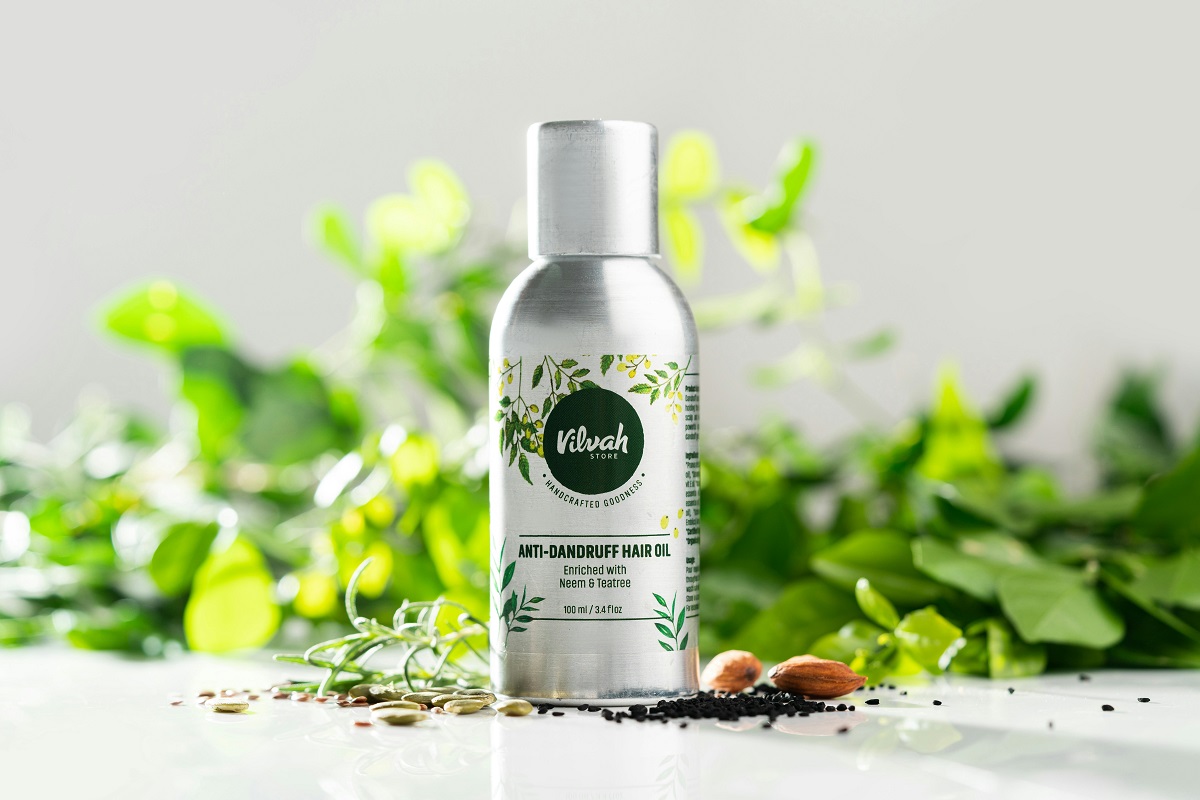
Neem oil, extracted from the seeds of the neem tree Azadirachta indica, is one of the most revered natural oils in the world, especially within the Ayurvedic and holistic medicine communities. This versatile oil has been used for centuries across India and Southeast Asia for its remarkable medicinal, cosmetic, and agricultural benefits.
In recent years, interest in neem oil has grown significantly in Western countries due to its plant-based composition and diverse applications, from skincare to pest control. Despite its slightly pungent scent, neem oil’s extraordinary healing properties and eco-friendly profile have earned it a place among the top natural oils for both personal and household use.
The Origin and Composition of Neem Oil
Neem trees are native to the Indian subcontinent and thrive in tropical and semi-tropical climates. Often referred to as the village pharmacy, every part of the neem tree is beneficial in some way, but the oil derived from the seeds is the most potent. Neem oil is typically cold-pressed from the kernels of the neem fruit, resulting in a rich, golden-brown liquid with a strong, earthy aroma. The main bioactive compound responsible for its vast range of effects is azadirachtin, which acts as an antimicrobial, antifungal, insecticidal, and anti-inflammatory agent.
In addition to azadirachtin, neem oil contains other beneficial components such as nimbin, nimbidin, salannin, and essential fatty acids, including oleic, stearic, linoleic, and palmitic acids. These fatty acids contribute to its emollient nature, making it an excellent moisturizer while also supporting skin barrier repair and anti-aging properties. Together, these compounds make neem oil a truly multifunctional substance, capable of addressing numerous health and environmental concerns.

Medicinal and Health Benefits of Neem Oil
Powerful Skin Healer and Anti-Acne Solution
One of the most common uses of neem oil is in skincare, particularly for the treatment of acne, eczema, psoriasis, and other chronic skin conditions. Thanks to its anti-inflammatory and antibacterial properties, neem oil can reduce the severity of acne breakouts by targeting Propionibacterium acnes, the bacteria responsible for pimples. Furthermore, neem oil helps in unclogging pores and reducing excess oil production without stripping the skin’s natural moisture.
Neem oil is also packed with vitamin E and antioxidants, which accelerate wound healing and minimize scarring. For individuals suffering from eczema and psoriasis, neem oil soothes itching, reduces inflammation, and restores skin hydration. Its antifungal activity makes it a good remedy for ringworm, athlete’s foot, and even nail fungus, all without the harsh side effects of conventional topical medications.
Hair and Scalp Care
Neem oil is a time-tested remedy for various scalp and hair issues. Rich in antioxidants and fatty acids, it nourishes the scalp, combats dryness, and strengthens the roots of the hair. One of the most significant benefits of neem oil is its ability to eliminate dandruff and soothe an itchy scalp. Its antifungal properties effectively fight off Malassezia, the yeast responsible for dandruff and seborrheic dermatitis.
Moreover, neem oil can help address hair fall and thinning by stimulating blood circulation to the scalp and promoting the growth of healthier, thicker hair. It’s often used as a treatment for head lice due to its natural insecticidal properties. Regular use of neem oil, either directly or mixed into shampoos and conditioners, can revitalize damaged hair and restore its shine and strength.
Oral Health and Dental Care
Neem oil has long been used in oral care practices in India, where people traditionally chew neem twigs to clean their teeth and gums. Modern formulations incorporate neem oil into toothpaste and mouthwash due to its antibacterial, antifungal, and anti-inflammatory effects. It is highly effective at reducing plaque, gingivitis, and bad breath while promoting overall gum health. The oil’s antifungal actions can also help combat oral thrush and other fungal infections of the mouth, making it an ideal ingredient for holistic dental hygiene routines.
Anti-Inflammatory and Immune-Boosting Properties
Neem oil possesses notable anti-inflammatory properties, making it useful in managing joint pain, muscle soreness, and inflammatory skin disorders. When used topically, it can help relieve arthritis pain and reduce swelling without the need for synthetic drugs. In traditional medicine, neem oil is also believed to boost the immune system by eliminating toxins and supporting liver function, though internal use should only be done under the guidance of a qualified practitioner due to its potent nature.
Cosmetic Uses of Neem Oil
Beyond medicinal applications, neem oil is becoming a staple ingredient in the natural beauty industry. Its ability to moisturize, detoxify, and protect the skin makes it ideal for a wide range of products, from facial serums to body lotions.
Natural Moisturizer
Neem oil can be used as a daily moisturizer for dry or aging skin. It penetrates deeply, helping to nourish the skin without clogging pores. Unlike synthetic moisturizers, neem oil offers antimicrobial protection, reducing the risk of breakouts while leaving the skin smooth and supple.
Anti-Aging Benefits
Due to its high antioxidant content, neem oil helps neutralize free radicals responsible for skin aging. It also boosts collagen production and reduces the appearance of fine lines, wrinkles, and age spots. Combined with other carrier oils like jojoba or argan, neem oil makes an excellent anti-aging facial oil that enhances elasticity and restores a youthful glow.
Natural Makeup Remover and Cleanser
Neem oil’s ability to dissolve impurities, makeup, and excess sebum while maintaining the skin’s natural moisture barrier makes it an effective natural cleanser. A small amount of neem oil mixed with water or aloe vera gel can serve as a gentle yet thorough facial cleanser suitable for sensitive or acne-prone skin types.
Agricultural and Pest Control Benefits
One of neem oil’s most widely recognized uses is in sustainable agriculture and organic gardening. Unlike synthetic pesticides, neem oil is biodegradable, non-toxic to beneficial insects like bees, and safe for use around humans and pets.
Natural Insecticide and Pesticide
Neem oil is a potent natural insect repellent and growth inhibitor. It affects over 200 types of pests, including aphids, whiteflies, mealybugs, and spider mites. Azadirachtin, the primary active ingredient, interferes with the pest’s hormonal system, disrupting reproduction, feeding, and growth. This mode of action makes it unlikely that pests will develop resistance, a growing concern with conventional pesticides.
Gardeners and farmers use neem oil spray as a preventive measure and a treatment for pest infestations. It is especially effective when applied in the early morning or late evening to avoid sunburn on plant leaves. Neem oil can also be used as a soil drench to kill larvae and eggs in the soil, making it an integral component of Integrated Pest Management (IPM) strategies.
Fungicide for Plants
Neem oil not only deters insects but also acts as a natural fungicide. It can help control fungal diseases such as powdery mildew, rust, black spot, and blight. Regular application creates a protective barrier over plant leaves, discouraging the growth of harmful fungi while allowing the plant to breathe and thrive.
Neem Oil in Pet and Animal Care
Pet owners are increasingly turning to neem oil as a safe, natural alternative to chemical-laden products for flea and tick control. Neem oil can be diluted with a carrier oil or added to pet shampoos to treat skin irritation, hot spots, mange, and other common skin ailments in dogs and cats. It acts as a deterrent for biting insects while helping to heal and soothe the skin.
Additionally, neem oil is sometimes used in livestock management to protect animals from parasites, flies, and lice. Its broad-spectrum efficacy and non-toxic nature make it a sustainable and ethical choice in animal care and husbandry.
How to Use Neem Oil Safely
Although neem oil is generally considered safe for topical and external use, it is extremely potent and must be used with care. Pure neem oil should always be diluted with a carrier oil such as coconut, olive, or almond oil before applying to the skin, especially for those with sensitive skin or underlying conditions. A patch test is recommended before widespread use.
For gardening, neem oil concentrate should be mixed with water and a mild surfactant like dish soap to help it adhere to plant surfaces. It’s best to follow label instructions or consult a horticulture guide for proper dilution ratios to avoid damaging plants.
Neem oil is not recommended for internal use without professional supervision. While small doses may be included in some Ayurvedic formulations, ingesting neem oil in large quantities can be toxic, particularly for children and pregnant women.