
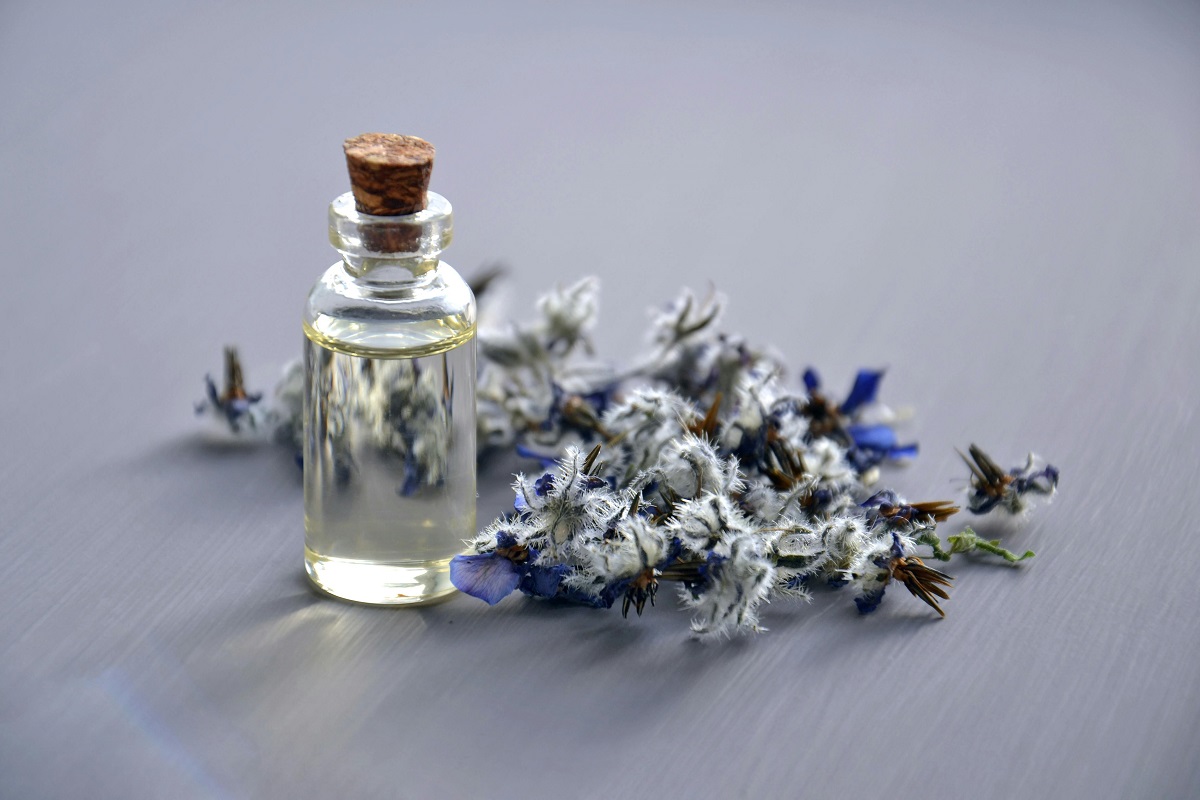
Lavender oil distilled from the flowers of the Lavandula angustifolia plant is one of the most cherished essential oils in the world. Renowned for its soothing aroma calming properties and diverse therapeutic applications lavender oil has been a staple in natural medicine skincare and aromatherapy for centuries. While many essential oils serve specialized purposes lavender oil stands out because of its remarkable versatility. It is equally valued for reducing stress, promoting restful sleep soothing skin irritations alleviating headaches and even enhancing culinary creations.
Unlike some essential oils that have limited evidence supporting their benefits lavender oil is backed by centuries of traditional use as well as an expanding body of scientific research. This oil contains a powerful blend of bioactive compounds including linalool and linalyl acetate that provide its unique fragrance and therapeutic effects. Whether used in a diffuser to create a relaxing environment, applied topically for skincare, or added in small amounts to recipes lavender oil has earned its reputation as a holistic wellness ally.
History and Cultural Significance of Lavender Oil
Lavender has an ancient history that stretches across civilizations. The earliest recorded use dates back to over 2,500 years ago when Egyptians used lavender in embalming rituals and as a perfume ingredient. Lavender oil was also treasured by the Greeks and Romans, who used it for bathing, healing wounds and freshening living spaces. The name lavender is derived from the Latin word lavare meaning to wash which reflects its widespread use in cleansing rituals and baths in Roman culture.
In medieval Europe lavender gained popularity as a protective herb believed to ward off evil spirits and plague. It was planted around homes and burned as incense to purify the air. By the Renaissance lavender was being distilled into essential oil and used as a perfume medicine and household cleanser. In traditional medicine systems like Ayurveda and Unani lavender oil was recognized for its ability to balance emotions cool the body and promote relaxation. Today lavender oil continues to hold cultural and therapeutic significance bridging ancient traditions with modern wellness practices.
Extraction Process of Lavender Oil
Lavender oil is most commonly extracted through steam distillation a method that captures the delicate aromatic compounds from the flower spikes of the lavender plant. During the process steam passes through the plant material vaporizing the essential oil. The vapor is then condensed back into liquid separating the oil from the water. The result is a clear to pale yellow essential oil with a sweet floral and slightly herbaceous aroma.
Another less common method is solvent extraction which produces lavender absolute a highly concentrated product used mainly in perfumery. However, steam-distilled lavender oil remains the gold standard for aromatherapy and therapeutic applications because it retains more of the beneficial compounds without chemical residues.
The quality of lavender oil depends heavily on factors like plant variety climate soil conditions and harvesting methods. The best lavender oil is typically produced from flowers grown in Mediterranean climates especially France and Bulgaria where optimal sunlight and altitude conditions enhance the plants aromatic compounds.
Chemical Composition and Nutritional Profile
Lavender oil owes its therapeutic power to its rich composition of phytochemicals. The primary active compounds include:
Linalool 20–35% Known for its calming anti-anxiety and antimicrobial effects.
Linalyl Acetate 30–50% Provides soothing anti-inflammatory and sedative properties.
Camphor 5–10% Adds mild analgesic and stimulating qualities.
1,8-Cineole, Terpinen-4-ol, and β-Caryophyllene Secondary compounds that enhance antimicrobial antioxidant and analgesic effects.
Nutritionally lavender oil is not consumed in large enough quantities to provide macronutrients like fats proteins or carbohydrates. Instead its value lies in its concentrated phytochemicals that act as antioxidants and therapeutic agents. These compounds interact with the body’s nervous, immune, and integumentary systems to deliver holistic benefits.
Health Benefits of Lavender Oil
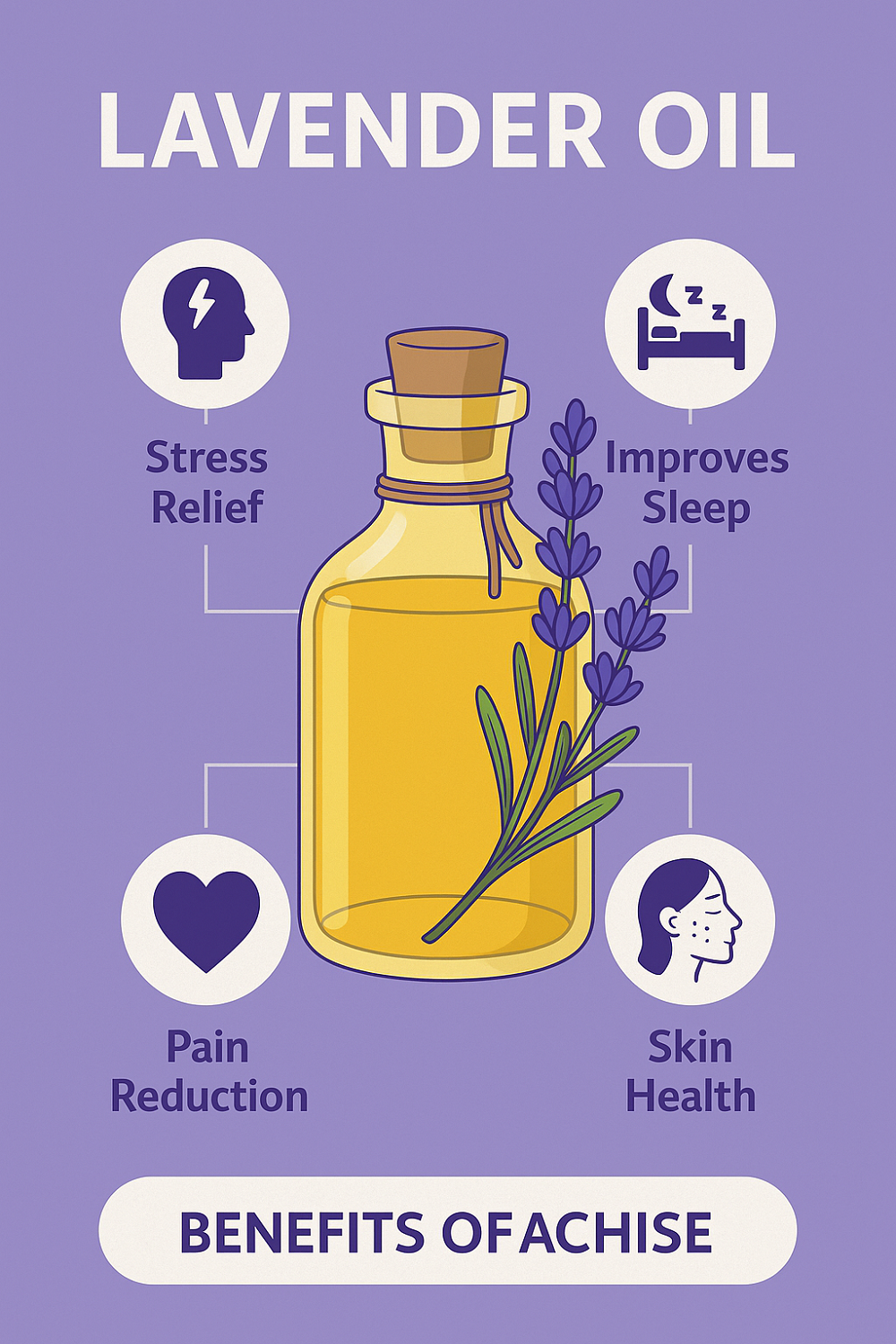
Promotes Relaxation and Reduces Stress
Lavender oil is best known for its calming properties. Numerous studies have shown that inhaling lavender oil or applying it in diluted form can lower cortisol levels reduce anxiety, and promote relaxation. This makes it a powerful natural aid for people dealing with chronic stress restlessness or emotional tension.
Improves Sleep Quality
One of the most popular uses of lavender oil is for promoting restful sleep. Aromatherapy using lavender oil has been shown to improve sleep duration and quality particularly in people with insomnia. A few drops in a diffuser or on a pillow can help signal the brain to relax making it easier to fall asleep naturally without dependency on medication.
Supports Skin Health
Lavender oil is an effective natural remedy for a wide range of skin issues. Its antimicrobial properties make it useful in reducing acne causing bacteria while its anti-inflammatory effects soothe irritated skin. It can accelerate wound healing reduce scarring, and calm conditions like eczema and psoriasis. When diluted with carrier oils, lavender oil can be applied safely to promote a clearer healthier complexion.
Relieves Pain and Headaches
Lavender oil provides natural analgesic effects that help reduce pain from muscle aches sprains and joint stiffness. It is especially effective for tension headaches and migraines when applied to the temples or inhaled through aromatherapy. Its calming action relaxes both muscles and the nervous system offering relief without side effects associated with pain medications.
Enhances Hair Health
Applied to the scalp, lavender oil can improve blood circulation stimulate hair growth, and reduce dandruff. Its antimicrobial properties also help maintain a healthy scalp environment preventing fungal infections and dryness. Regular use in hair oils or shampoos contributes to stronger shinier and healthier hair.
Boosts Immune Function
Lavender oil’s antimicrobial compounds make it a natural ally against infections. By inhibiting harmful bacteria and fungi, lavender oil supports the bodies defense system. Inhalation may also strengthen respiratory health by reducing congestion and easing symptoms of colds and flu.
Supports Digestive Wellness
Though not as widely used internally lavender oil can help alleviate digestive discomfort when taken in carefully controlled amounts capsule form under professional guidance. It has been shown to reduce bloating, nausea, and stomach cramps by relaxing intestinal muscles.
Culinary Uses of Lavender Oil
While lavender oil is mainly used in aromatherapy and cosmetics food-grade varieties are also used in the culinary world. Because it is extremely potent only a drop or two is needed to impart flavor.
Baking Lavender oil adds a floral note to cakes cookies and pastries.
Beverages Infused into teas lemonades and cocktails for a refreshing twist.
Savory Dishes Used sparingly in marinades sauces and roasted meats.
Desserts Complements flavors like honey lemon and berries in ice creams and syrups.
Caution must always be exercised as too much lavender oil can overpower dishes and create a soapy taste. Only food grade essential oil should ever be used in cooking.
Cosmetic and Skincare Applications
Lavender oil is a cornerstone ingredient in natural skincare products due to its healing and soothing properties. It is often included in face creams toners masks and body oils. Regular use helps maintain clear hydrated and glowing skin. Its ability to reduce redness and irritation makes it suitable for sensitive skin types.
In cosmetics lavender oil is also valued for its fragrance. It adds a soft floral aroma to perfumes lotions shampoos and soaps creating a sense of freshness and relaxation. Combined with carrier oils like jojoba or coconut lavender oil can be used for facial massage enhancing both skincare benefits and mental relaxation.
Industrial and Miscellaneous Uses
Beyond health and beauty, lavender oil has industrial applications. It is widely used in the fragrance industry for perfumes, candles, and air fresheners. In cleaning products, lavender oil acts as a natural disinfectant and deodorizer, leaving behind a fresh scent while eliminating germs. It is also used in spa treatments and holistic therapies, contributing to its widespread popularity across industries.
Side Effects and Safety Precautions
While lavender oil is generally safe when used correctly improper use can lead to adverse effects. Applying undiluted lavender oil directly on the skin may cause irritation or allergic reactions in sensitive individuals. It should always be diluted with carrier oils before topical use.
Ingesting lavender oil is not recommended unless it is specifically labeled as food grade and taken under professional guidance. Excessive consumption can lead to nausea vomiting, and other health issues. Pregnant and breastfeeding women should avoid lavender oil unless advised by a healthcare provider, as its hormonal effects may not be suitable in these conditions. Children should also use lavender oil with caution as their skin is more sensitive.
Frequently Asked Questions
Can lavender oil help with anxiety?
Yes. Lavender oil’s calming compounds, especially linalool, reduce anxiety and stress when inhaled through aromatherapy or applied topically in diluted form.
How should I use lavender oil for sleep?
Add a few drops to a diffuser before bedtime, or dilute with carrier oil and apply to the temples or wrists. You can also place a drop on your pillow for gentle inhalation.
Is lavender oil safe for pets?
Lavender oil can be toxic to cats and dogs if ingested or applied in high concentrations. Always consult a veterinarian before using it around pets.
Can lavender oil be applied directly to skin?
No. Lavender oil should always be diluted with a carrier oil such as coconut, almond, or jojoba oil before applying to skin to prevent irritation.
Does lavender oil repel insects?
Yes. Lavender oil is a natural insect repellent effective against mosquitoes, moths, and flies. It can be added to sprays or diffused in outdoor spaces.