
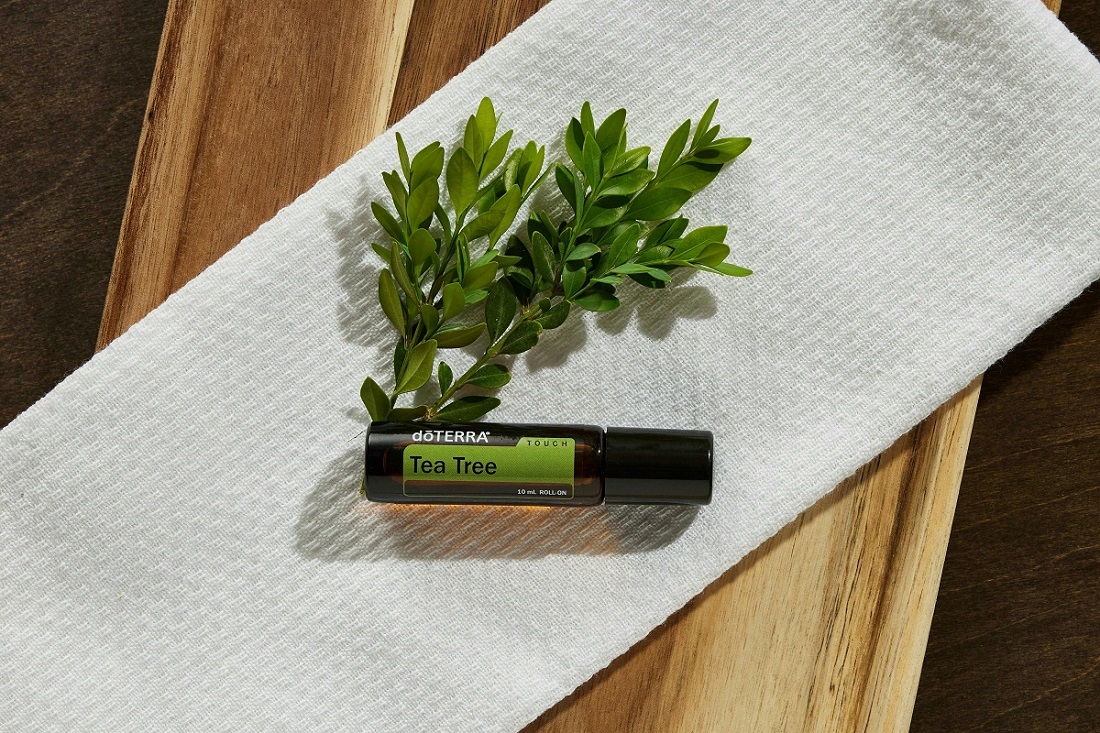
Tea Tree Oil, also known scientifically as Melaleuca alternifolia oil, is one of the most versatile essential oils used in modern wellness and personal care. Derived from the leaves of the tea tree, native to Australia, this oil has been a staple in natural medicine cabinets for centuries. Its reputation has grown steadily due to its remarkable antimicrobial, antifungal, and anti-inflammatory properties.
With rising interest in natural health remedies, tea tree oil has become a go-to solution for various skin problems, hair concerns, oral hygiene issues, household disinfection needs, and even pest control. But as with any potent natural remedy, understanding how to use tea tree oil safely and effectively is critical. This article explores everything you need to know about tea tree oil, including its origin, extraction, uses, benefits, and safety tips, making it an indispensable resource for those considering adding this essential oil to their daily routine.
Origins and Extraction of Tea Tree Oil
Tea tree oil is extracted from the leaves of the Melaleuca alternifolia, a plant indigenous to Australia’s New South Wales and Queensland regions. The Aborigines of Australia were the first to recognize the therapeutic potential of this plant. They crushed the leaves to extract the oil and used it to treat cuts, burns, and infections. The oil is typically extracted using steam distillation, a method that preserves its potency while ensuring it remains free from chemical solvents.
Today, most commercially available tea tree oils are produced in Australia, though some are cultivated in other temperate climates that can support tea tree growth. High-quality tea tree oil should contain a minimum of 30% terpinen-4-ol, its primary active ingredient, and less than 15% cineole, a compound that can irritate the skin. These ratios are essential for identifying a product’s therapeutic grade and safety for topical application.
Chemical Composition and Why It Works
The power of tea tree oil lies in its unique chemical makeup. Its primary compounds include terpinen-4-ol, γ-terpinene, α-terpinene, and 1,8-cineole. Among these, terpinen-4-ol is the most studied and is largely responsible for the oil’s antimicrobial and anti-inflammatory actions.
This compound disrupts the permeability of microbial cell membranes, effectively killing bacteria, fungi, and viruses. Unlike synthetic antibiotics, tea tree oil does not contribute to antimicrobial resistance, making it a promising alternative in an age where drug-resistant pathogens are a growing concern. Furthermore, the oil’s ability to modulate inflammation is helpful in skin care and wound treatment, as it reduces redness, swelling, and irritation caused by microbial infections.
Topical Uses for Skin Health
Tea tree oil has carved out a prominent place in skincare due to its potent antibacterial and anti-inflammatory properties. One of its most celebrated uses is in the treatment of acne. Numerous studies have shown that tea tree oil is as effective as benzoyl peroxide in reducing acne lesions and inflammation, but without the harsh dryness and peeling often caused by synthetic treatments. It works by targeting Propionibacterium acnes, the bacteria responsible for acne breakouts, while soothing the skin.
It also helps in managing oily skin by balancing sebum production. Beyond acne, tea tree oil is also effective against fungal skin infections such as athlete’s foot, ringworm, and toenail fungus. It penetrates deep into the skin, killing fungi and alleviating symptoms like itching and scaling. Additionally, its anti-inflammatory properties make it an excellent remedy for eczema and psoriasis, helping to reduce redness, itching, and irritation when diluted properly.
Hair and Scalp Benefits
Tea tree oil is equally beneficial for hair and scalp care. One of its most common uses is in combating dandruff and seborrheic dermatitis. When added to shampoos, tea tree oil helps to cleanse the scalp, reduce flakiness, and eliminate the fungi Malassezia, which is often responsible for dandruff. Its anti-inflammatory effects also relieve itchiness and scalp irritation.
Moreover, tea tree oil promotes hair growth by unclogging hair follicles and improving blood circulation to the scalp. It strengthens roots and can even be used to manage scalp acne and head lice. While it is not a magic solution for baldness, regular use of diluted tea tree oil can contribute to healthier, stronger hair with less breakage and improved manageability.
Oral Hygiene and Dental Applications
Though less commonly discussed, tea tree oil also offers benefits for oral health. Due to its antibacterial properties, it can be used to combat bad breath, gum inflammation, and plaque buildup. Some toothpaste and mouthwash products include small amounts of tea tree oil to help maintain oral hygiene.
It has shown effectiveness against bacteria like Streptococcus mutans and Porphyromonas gingivalis, which are known contributors to tooth decay and gum disease. However, it is vital never to swallow tea tree oil, as it can be toxic if ingested. Always use products specifically formulated for oral use or consult a dental professional before trying tea tree oil for dental purposes.
First Aid and Antiseptic Applications
Tea tree oil is often dubbed a “first-aid kit in a bottle” because of its broad-spectrum antimicrobial activity. It can be used to treat minor cuts, burns, scrapes, insect bites, and wounds. Its ability to fight infection while reducing inflammation makes it ideal for topical first aid.
Applying a diluted solution of tea tree oil can help disinfect the area, accelerate healing, and prevent scarring. Additionally, it works well for soothing razor burns, ingrown hairs, and sunburn when combined with a carrier oil or aloe vera gel. This versatility makes it a great addition to any natural first-aid kit, especially for households with children or outdoor enthusiasts who are prone to cuts and bites.
Household Cleaning and Disinfection
Tea tree oil is not limited to personal care. It is also an excellent natural household cleaner. Thanks to its powerful antibacterial and antifungal properties, tea tree oil can be used to disinfect kitchen counters, bathroom tiles, doorknobs, and other high-contact surfaces.
It is especially useful in eliminating mold and mildew. You can make an all-purpose cleaner by mixing tea tree oil with water, white vinegar, and a few drops of other essential oils like lemon or lavender. This DIY solution provides a non-toxic, eco-friendly alternative to chemical-laden cleaners. It’s safe to use around children and pets when properly diluted and stored. Moreover, adding a few drops to your laundry can help kill bacteria and keep clothes smelling fresh.
Insect Repellent and Pest Control
Another practical use of tea tree oil is in pest control. Its strong aroma and antifungal compounds make it effective at repelling insects like mosquitoes, ants, and fleas. It can be used in natural bug sprays, flea treatments for pets, or even added to candles and diffusers to keep pests at bay.
When used on pets, tea tree oil must be diluted thoroughly, as high concentrations can be toxic to animals, especially cats. Nonetheless, many natural pet shampoos include safe levels of tea tree oil to treat fleas, ticks, and skin infections. In the garden, tea tree oil sprays can help deter pests while being safer for the environment than chemical pesticides.
Aromatherapy and Mental Health
Tea tree oil is not commonly used for aromatherapy in the same way as lavender or eucalyptus oil, but it does offer some psychological benefits. Inhaling tea tree oil vapors can help clear sinuses and relieve symptoms of colds and respiratory infections. Its stimulating scent can also promote mental clarity and improve focus. When diffused in a room, it can purify the air and reduce airborne pathogens, making it beneficial during flu season or in shared spaces. Some people use it in combination with oils like peppermint, lemon, or eucalyptus for a more pleasant aroma and enhanced therapeutic effect. While it isn’t a direct treatment for anxiety or depression, its ability to promote cleanliness and a sense of wellness can contribute to a more balanced mental state.
Safety Guidelines and Side Effects
Despite its many advantages, tea tree oil is a potent substance that must be used with care. Undiluted application can cause skin irritation, redness, and rashes, especially for those with sensitive skin. It’s essential to always dilute tea tree oil with a carrier oil such as coconut oil, jojoba oil, or almond oil before applying it to the skin. A general guideline is 1–2 drops of tea tree oil per teaspoon of carrier oil. It’s also recommended to perform a patch test before widespread use.
Tea tree oil should never be ingested, as it is toxic when consumed and can cause symptoms like dizziness, confusion, loss of muscle coordination, and even coma in extreme cases. For this reason, it should be kept out of reach of children and pets. Pregnant and breastfeeding women should consult their healthcare provider before using tea tree oil. If you experience any adverse reactions such as hives, difficulty breathing, or severe itching, discontinue use immediately and seek medical attention.
How to Choose Quality Tea Tree Oil
Not all tea tree oils are created equal. When purchasing, look for products labeled as 100% pure essential oil and preferably organic. Check for Latin name (Melaleuca alternifolia) to ensure authenticity. Also, review the product’s terpinen-4-ol and cineole levels.
Choose brands that offer third-party testing or batch-specific purity reports for maximum transparency. Store the oil in dark amber or blue glass bottles away from direct sunlight to preserve its integrity. High-quality tea tree oil should have a fresh, medicinal scent with slightly spicy undertones.