
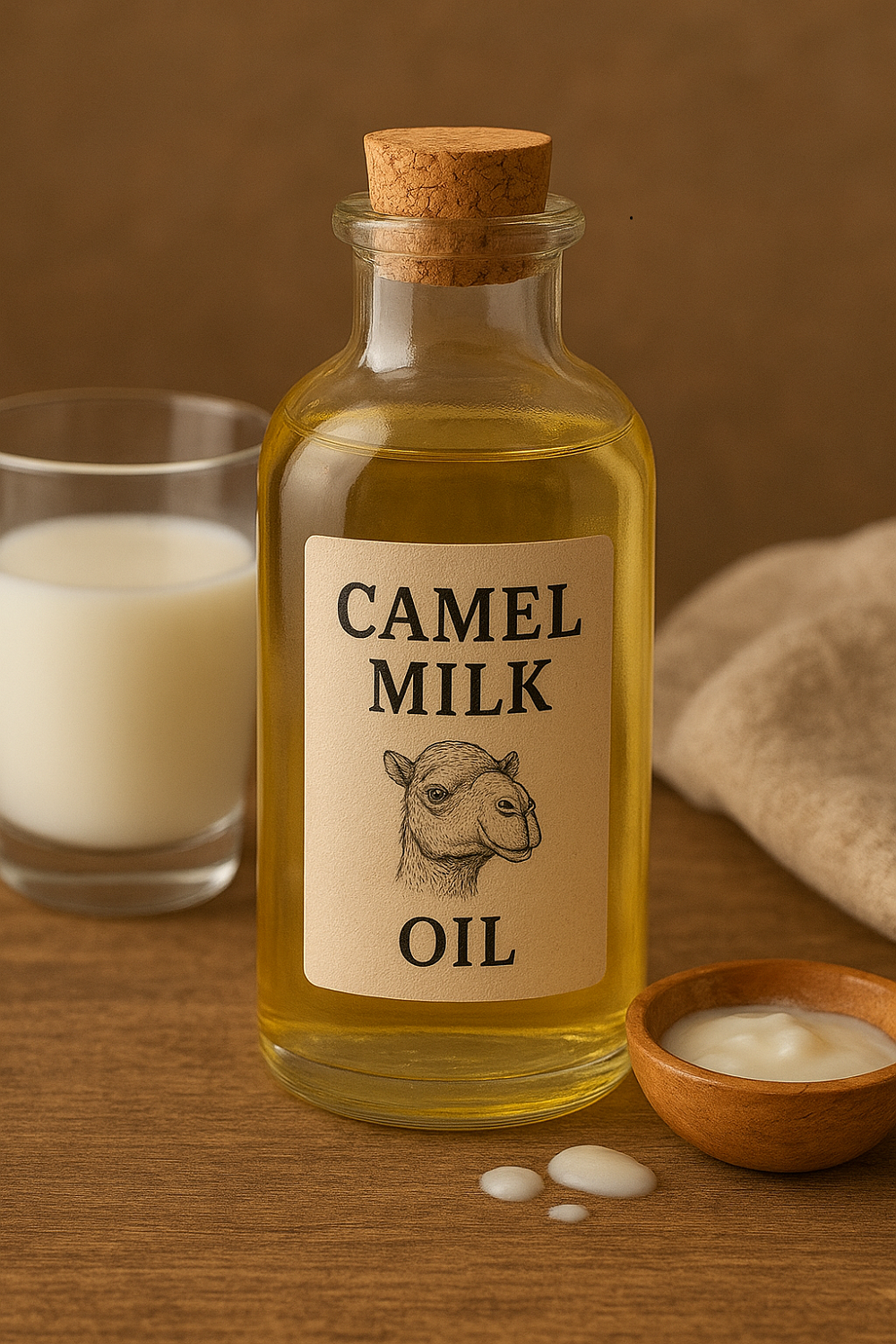
Camel milk oil is an extraordinary yet lesser-known natural product that has been gaining attention in the fields of skincare wellness and holistic health. Derived from the nutrient-rich milk of camels this oil carries with it centuries of traditional use across desert cultures particularly in the Middle East North Africa and parts of Asia. While camel milk itself has been praised for its therapeutic and nutritional value often referred to as the white gold of the desert the oil extracted from it takes those benefits to another level offering a concentrated source of bioactive compounds vitamins and essential fatty acids.
Camel milk oil is often marketed as a luxury ingredient in skincare and haircare formulations because of its remarkable ability to nourish repair and protect the skin. It contains unique proteins natural alpha-hydroxy acids AHAs and a rich blend of omega fatty acids that make it deeply hydrating and rejuvenating. In addition to its cosmetic applications camel milk oil is also used in traditional medicine for its anti-inflammatory and antimicrobial properties. With rising interest in exotic oils that combine ancient wisdom and modern science camel milk oil is becoming recognized as a powerful alternative to more common oils like argan olive and coconut.
Historical and Cultural Significance of Camel Milk Oil
The camel has been an indispensable companion to desert civilizations for thousands of years. Beyond being a mode of transportation and a source of wool leather and meat camels provided milk that often served as a lifeline for nomadic tribes. In arid landscapes where agriculture was limited camel milk became not only a staple food but also a medicine. It was believed to strengthen immunity heal digestive ailments, and improve overall vitality.
The oil derived from camel milk while less commonly discussed also had a role in traditional practices. Historical records and oral traditions suggest that camel milk oil was applied to the skin to treat dryness burns and wounds caused by harsh desert conditions. Women in Bedouin and Tuareg communities used it as a beauty treatment massaging it into their skin and hair to retain moisture under the scorching sun and dry winds. It was considered a precious product often reserved for special occasions or for treating specific health concerns.
Today camel milk oil carries this cultural heritage into the modern world where it is being rediscovered as a natural sustainable and highly beneficial ingredient. Its rarity and artisanal production methods also contribute to its reputation as a luxury oil prized not only for its therapeutic effects but also for the cultural stories it embodies.
Extraction Process of Camel Milk Oil
Unlike plant-based oils which are typically extracted from seeds nuts or fruits camel milk oil is derived through a more complex process. Camel milk itself contains natural fats which must be carefully separated and processed to create a stable oil suitable for cosmetic and therapeutic use.
The traditional method involves allowing fresh camel milk to ferment or curdle after which the fat is skimmed off and churned to separate the butterfat. This butterfat can then be gently heated and clarified to produce an oil with a smooth golden appearance. Modern methods often employ controlled centrifugation and filtration techniques to isolate the oil more efficiently while preserving its delicate bioactive compounds.
Because camel milk production is limited compared to cow’s milk and because oil extraction yields are relatively low camel milk oil is considered rare and costly. Small-scale farms and cooperatives in regions like the Middle East Sudan and parts of India are currently the main producers with much of the oil being exported for use in high-end cosmetics and wellness products.
Chemical Composition and Nutritional Profile
Camel milk oil is rich in nutrients that make it stand out among natural oils. Its composition includes
Essential Fatty Acids Omega-3 Omega-6 Omega-9 Crucial for maintaining skin barrier function reducing inflammation and promoting heart health.
Vitamin E Tocopherols and Tocotrienols A powerful antioxidant that protects against oxidative stress supports skin repair and slows premature aging.
Vitamin A Retinol and Carotenoids Promotes cell renewal skin elasticity and eye health.
Natural Alpha-Hydroxy Acids AHAs Help exfoliate dead skin cells gently brighten complexion and stimulate collagen production.
Immunoglobulins and Lactoferrin trace compounds from milk Provide antimicrobial and immune-supportive properties.
Minerals Calcium Zinc Magnesium Support metabolic health and contribute to skin resilience.
This unique combination makes camel milk oil not only a moisturizing emollient but also a bioactive powerhouse capable of addressing multiple skin and health concerns simultaneously.
Health and Beauty Benefits of Camel Milk Oil

Deep Skin Hydration and Nourishment
One of the most celebrated qualities of camel milk oil is its ability to provide long-lasting hydration without leaving a greasy residue. Its lightweight texture allows it to penetrate deep into the skin, delivering essential fatty acids and vitamins that restore moisture and elasticity. This makes it particularly effective for people with dry sensitive or mature skin. Regular use can help smooth rough patches, improve suppleness, and leave the skin looking radiant and revitalized.
Anti-Aging and Skin Renewal
Camel milk oil is packed with antioxidants like vitamin E and retinol both of which are vital for combating signs of aging. These compounds fight free radical damage stimulate collagen production and improve cell turnover. Meanwhile the natural alpha-hydroxy acids AHAs in the oil provide gentle exfoliation reducing dullness and enhancing skin tone. Over time consistent use can help reduce fine lines wrinkles and pigmentation making the skin appear more youthful and even.
Soothing Inflammation and Skin Conditions
Thanks to its anti-inflammatory properties camel milk oil is beneficial for individuals with eczema psoriasis rosacea and dermatitis. It helps calm redness irritation and itchiness while supporting the skin’s natural healing process. The oil’s antimicrobial qualities also make it helpful in preventing infections in compromised skin barriers, offering relief for people dealing with chronic inflammatory conditions.
Wound Healing and Repair
Historically camel milk oil was applied to burns cuts and sores to accelerate healing. Modern research supports these traditional practices as the oil’s bioactive compounds promote tissue regeneration and reduce the risk of infection. It is still used today as a natural remedy for minor wounds and sunburns offering a soothing and protective layer over damaged skin.
Hair and Scalp Care
Camel milk oil is equally beneficial for hair health. It nourishes the scalp reduces dandruff and strengthens hair from root to tip. Its lightweight consistency means it doesn’t weigh hair down or leave it greasy making it suitable for all hair types including fine hair. Regular use helps reduce split ends improve shine and maintain overall hair vitality.
Immune and Metabolic Support When Consumed
Though camel milk oil is more commonly used externally food-grade versions are sometimes consumed for their health benefits. Its fatty acid profile may help reduce inflammation in the body support cardiovascular health and provide a quick source of energy. The trace immunoglobulins and lactoferrin may also contribute to improved immunity although further research is still needed.
Culinary Uses of Camel Milk Oil
Camel milk oil is not widely used in everyday cooking due to its rarity and cost but in some regions it has been traditionally consumed in small amounts. It can be used much like butter or ghee added to porridges flatbreads or stews to enhance richness. The oil is highly stable and provides a neutral creamy flavor that complements both sweet and savory dishes.
In modern applications camel milk oil is occasionally incorporated into specialty health foods and supplements. However its culinary use remains secondary to its cosmetic and therapeutic applications largely because of limited supply and high demand in the beauty industry.
Cosmetic and Skincare Applications
Camel milk oil has earned a reputation as a luxury cosmetic ingredien, particularly in natural and high-end skincare products. Some of its most common uses include
Moisturizers and Face Creams To hydrate brighten and smooth the skin.
Anti-Aging Serums For reducing fine lines and supporting collagen production.
Soaps and Cleansers To gently exfoliate and cleanse while nourishing the skin barrier.
Hair Masks and Conditioners For deep hydration and shine.
Massage Oils For soothing tired muscles and calming inflamed skin.
Because it is non-comedogenic and easily absorbed camel milk oil is suitable for a wide range of skin types including oily and acne-prone skin.
Side Effects and Precautions
Camel milk oil is generally considered safe for external use and well tolerated by most skin types. However a few precautions should be noted
Allergic Reactions While rare individuals with dairy sensitivities should test a small patch of skin before regular use as trace proteins may remain in the oil.
Internal Use Only food-grade camel milk oil should be consumed and even then in moderation. People with lactose intolerance or milk allergies should avoid ingestion.
Pregnancy and Nursing Although topical use is considered safe pregnant or breastfeeding women should consult a doctor before using camel milk oil internally.
When used responsibly camel milk oil provides a safe and effective natural solution for both beauty and wellness.
Frequently Asked Questions
What does camel milk oil smell like?
Camel milk oil typically has a mild creamy aroma with no strong or unpleasant odor making it suitable for use in cosmetics and skincare.
Is camel milk oil good for acne?
Yes its lightweight non-comedogenic nature combined with antimicrobial properties makes it helpful for acne-prone skin.
Can camel milk oil be eaten?
Food-grade camel milk oil can be consumed in small amounts, but its culinary use is limited compared to its cosmetic value.
Is camel milk oil sustainable?
Yes camel milk production is often small-scale and eco-friendly especially when sourced from traditional herding communities.
How is camel milk oil different from camel milk lotion or soap?
Camel milk oil is a concentrated extract whereas lotions and soaps may contain camel milk or oil as one of several ingredients in a blended formulation.