
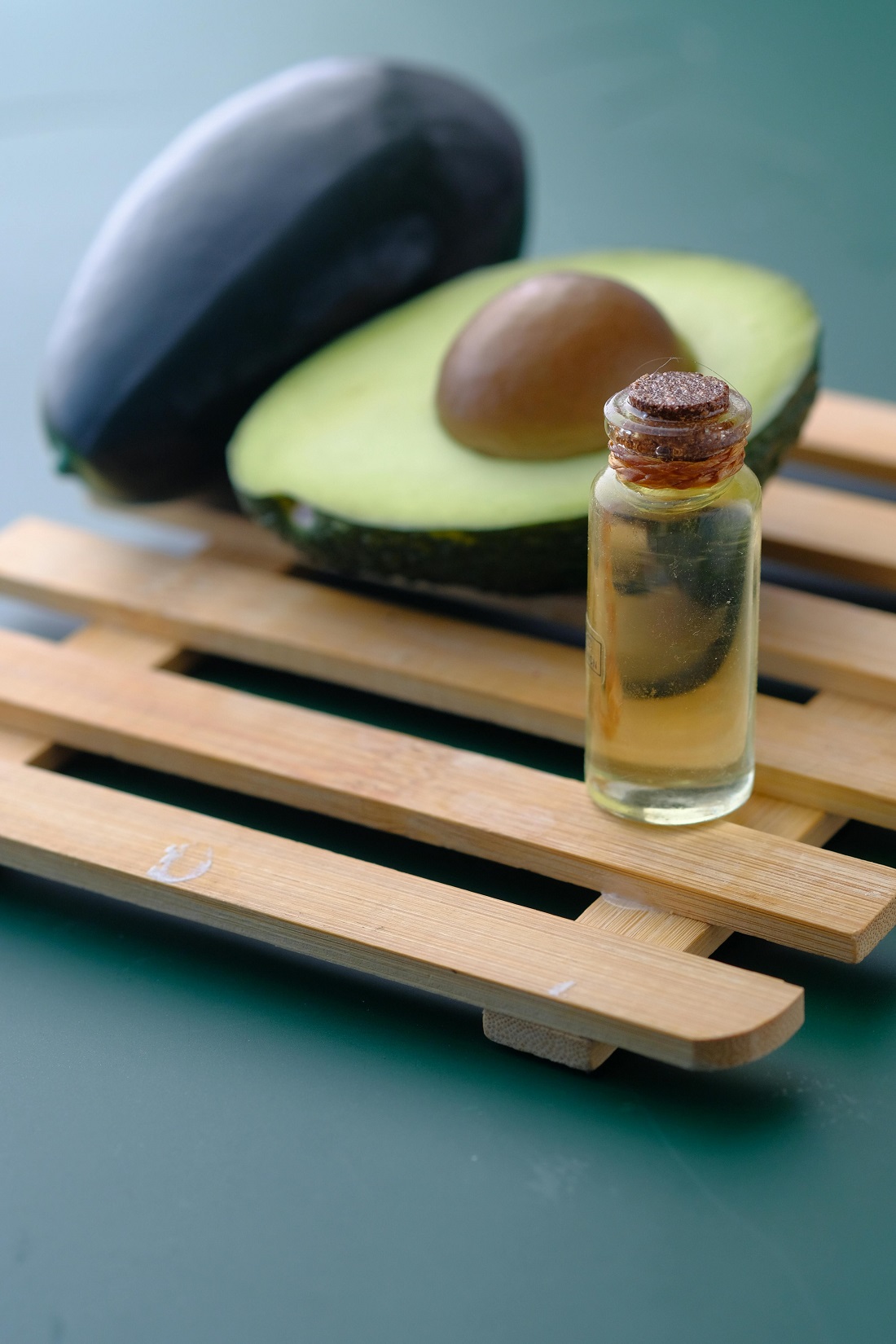
In the modern age of wellness, where consumers are shifting from synthetic compounds to natural and nutrient-rich alternatives, few oils have gained as much recognition and respect as avocado oil. Extracted from the pulp of the avocado fruit, Persea americana, this emerald-hued oil has captured attention worldwide for its powerful health properties, culinary versatility, and cosmetic benefits.
More than just a trendy superfood, avocado oil is a nutritional powerhouse brimming with monounsaturated fats, antioxidants, vitamins, and anti-inflammatory compounds. Its applications go far beyond the kitchen and into skincare, haircare, heart health, and even therapeutic healing. In this comprehensive article, we will explore the origins, composition, internal and external benefits, and why avocado oil deserves a permanent place in both your pantry and your beauty cabinet.
What Is Avocado Oil?
Unlike many plant oils derived from seeds, avocado oil is extracted from the fleshy pulp of the avocado fruit. This makes it similar to olive oil, both in extraction method and nutritional value. Native to Central and South America, the avocado tree has been cultivated for thousands of years, with ancient civilizations like the Aztecs and Mayans using the fruit for nourishment and medicinal purposes. Today, avocados are grown in numerous tropical and Mediterranean climates, including Mexico, Chile, California, and Kenya.
Table of Contents
ToggleThere are two main types of avocado oil: refined and unrefined. Unrefined labeled as cold-pressed or extra virgin) avocado oil retains most of its nutrients and has a deep green color due to its chlorophyll content. It also has a richer, buttery flavor, making it ideal for salad dressings and drizzling. Refined avocado oil, on the other hand, has a lighter color, a neutral flavor, and a higher smoke point, making it better suited for high-heat cooking like frying or roasting. Regardless of type, both forms of avocado oil carry significant health and beauty advantages.
Nutritional Composition What Makes Avocado Oil So Powerful?
Avocado oil is often referred to as a super oil for a reason. It’s one of the most nutrient-dense oils available, rich in monounsaturated fats, especially oleic acid, which makes up more than 70% of its fat content. This heart-healthy fat is also found in olive oil and is linked to reduced inflammation and improved cardiovascular health.
In addition to oleic acid, avocado oil contains:
Vitamin E is A fat-soluble antioxidant that helps protect cells from oxidative damage, supports skin repair, and strengthens the immune system.
Vitamin K is Important for bone health and proper blood clotting.
Lutein and Zeaxanthin Carotenoids that support eye health and protect against age-related macular degeneration.
Phytosterols are Plant-based compounds that help lower LDL cholesterol and support hormone balance.
Chlorophyll Present in unrefined avocado oil, chlorophyll detoxifies the body and helps reduce signs of aging.
Lecithin is A fatty substance that nourishes the skin and helps with moisture retention.
This potent nutritional profile makes avocado oil one of the most effective multi-purpose oils, offering benefits that are both preventive and therapeutic.
Health Benefits of Avocado Oil for Internal Use
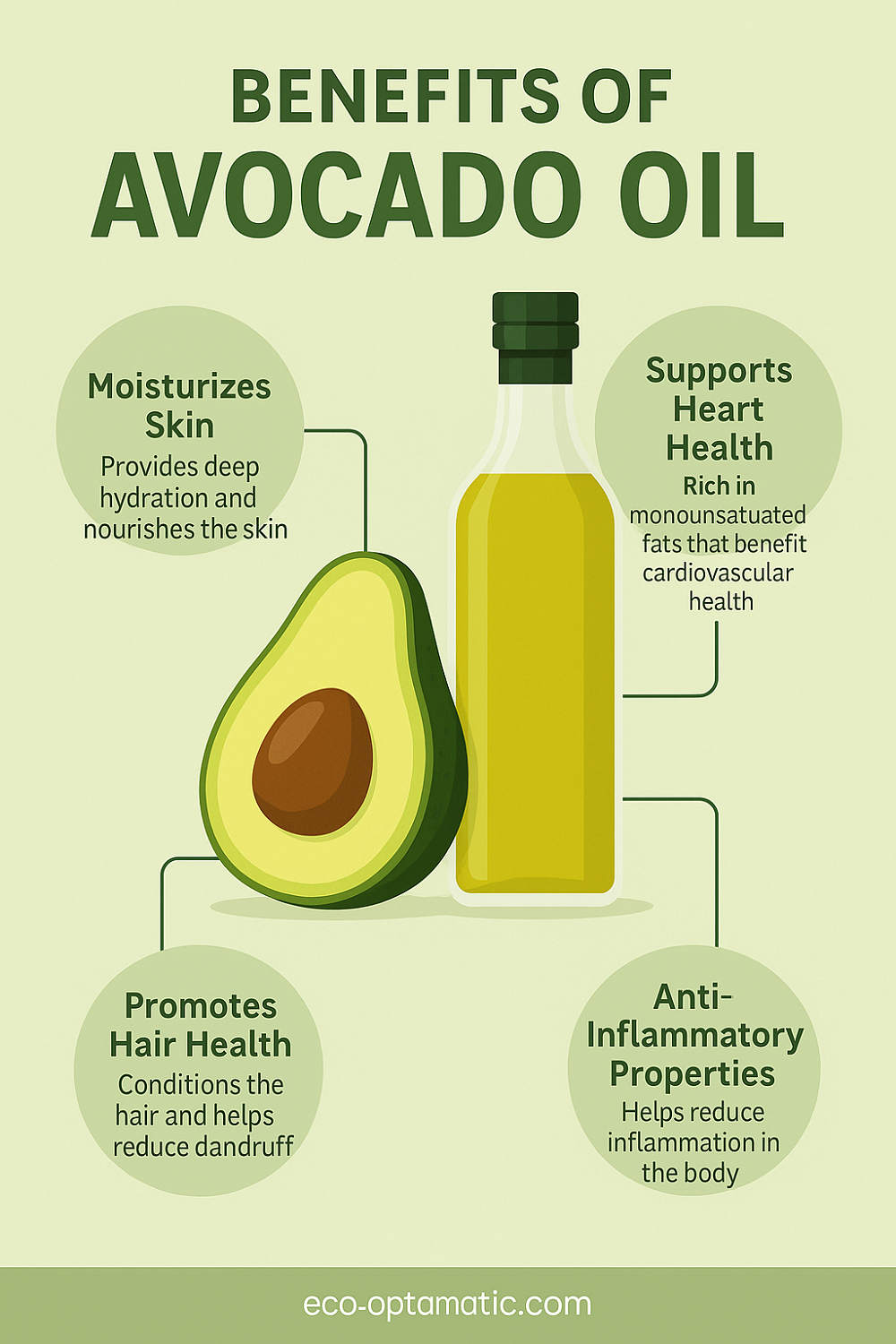
When consumed as part of a balanced diet, avocado oil delivers impressive results for heart, joint, and overall metabolic health. Here’s how
Heart Health and Cholesterol Balance
The high content of monounsaturated fats in avocado oil helps to lower bad cholesterol (LDL) while simultaneously increasing good cholesterol (HDL). Studies have shown that regular consumption of oleic acid-rich oils can reduce the risk of heart disease, improve arterial function, and lower blood pressure. Additionally, the phytosterols in avocado oil contribute to cholesterol management by inhibiting cholesterol absorption in the intestines.
Anti-Inflammatory and Antioxidant Protection
Avocado oil contains powerful antioxidants, including vitamin E, lutein, and polyphenols, which fight oxidative stress, a major contributor to chronic diseases such as cancer, arthritis, and diabetes. Oleic acid itself is known to have anti-inflammatory properties, making avocado oil beneficial for individuals suffering from conditions like osteoarthritis or inflammatory bowel disease.
Improved Nutrient Absorption
One of the most unique benefits of avocado oil is its ability to enhance the absorption of fat-soluble vitamins such as A, D, E, and K, as well as carotenoids like beta-carotene and lutein. Adding avocado oil to salads or vegetable dishes can significantly increase the body’s uptake of these vital nutrients, improving overall health and cellular function.
Weight Management and Satiety
Due to its high-fat content, avocado oil helps promote feelings of fullness, thereby reducing overall calorie intake. Unlike refined oils that can spike insulin levels, avocado oil stabilizes blood sugar and may aid in maintaining a healthy weight when used as part of a well-balanced diet.
Skin Benefits: Deep Nourishment and Repair
Avocado oil is a skincare treasure. Its ability to penetrate deep into the skin’s layers makes it more effective than many commercial moisturizers that merely sit on the surface. Here are some of the many reasons to incorporate avocado oil into your skincare routine:
Deep Hydration for Dry and Aging Skin
Avocado oil is an excellent emollient that replenishes moisture in the skin. It restores elasticity and smoothness, making it ideal for dry, flaky, or mature skin. It also forms a protective barrier that prevents moisture loss while allowing the skin to breathe.
Promotes Wound Healing and Reduces Inflammation
Thanks to its content of vitamin E, lecithin, and anti-inflammatory fatty acids, avocado oil accelerates the healing process for minor cuts, burns, and sun damage. Studies have shown that it can increase collagen synthesis and reduce the time needed for skin tissue repair.
Soothes Eczema and Psoriasis
Avocado oil’s ability to penetrate the skin and reduce inflammation makes it a powerful natural remedy for eczema, psoriasis, and dermatitis. It calms itching, reduces redness, and restores moisture without the side effects of steroid creams.
Anti-Aging Effects
The antioxidants and vitamins in avocado oil help fight premature aging, reducing the appearance of wrinkles, fine lines, and sun spots. Regular use promotes skin regeneration and a youthful glow.
Hair and Scalp Benefits: Shine, Strength, and Growth
When it comes to hair care, avocado oil delivers results from root to tip. Whether your hair is dry, damaged, or thinning, this oil can help restore it to its natural health with regular use.
Scalp Health and Hair Growth
Avocado oil is full of nutrients that nourish the scalp, reduce dandruff, and encourage healthy hair follicles. Its anti-inflammatory properties can help relieve scalp conditions like seborrheic dermatitis and itching. Massaging the oil into the scalp improves blood flow, which may support hair growth and thickness.
Moisture and Damage Repair
Because of its lightweight yet rich nature, avocado oil penetrates the hair shaft and delivers deep moisture, making it perfect for damaged or frizzy hair. It also acts as a natural detangler and heat protectant. Regular use can reduce split ends and breakage, especially in color-treated or chemically processed hair.
Shine and Manageability
The oil smooths the cuticle layer of the hair, adding shine and softness without greasiness. It can be used as a pre-shampoo treatment, a leave-in conditioner, or a finishing serum.
Therapeutic and Medicinal Uses
Beyond aesthetics and nutrition, avocado oil has therapeutic applications in holistic medicine and aromatherapy. It is often used as a carrier oil for essential oils, enhancing absorption and adding its healing properties to the mix.
Massage Therapy Avocado oil’s anti-inflammatory and softening properties make it ideal for muscle relaxation and joint support.
Arthritis Relief Some studies suggest that unsaponifiables in avocado oil, when combined with soybean oil (ASU), can reduce symptoms of osteoarthritis, especially in the hips and knees.
Wound Healing its fatty acid content and antimicrobial qualities aid in healing minor wounds, scars, and abrasions.
Culinary Uses: A Healthier Cooking Oil Alternative
Avocado oil isn’t just a cosmetic powerhouse; it’s also a culinary champion. With a smoke point of 480°F (250°C) for refined oil, it’s ideal for high-heat cooking methods like frying, grilling, or sautéing without breaking down or releasing harmful compounds.
Salads and Dressings The unrefined version adds a nutty, buttery flavor to fresh greens.
Baking Substitute butter or vegetable oil in recipes for a healthier fat.
Marinades and Roasting, its high stability makes it great for meat, poultry, or vegetables.
Unlike vegetable oils that undergo extensive processing and often contain trans fats, avocado oil is a heart-healthy, stable alternative for all types of cooking.
Choosing and Storing Avocado Oil
To reap the full benefits of avocado oil, choose cold-pressed, unrefined oil that is dark green and rich in aroma. Organic certification ensures the avocados used were grown without harmful pesticides. Refined versions are best reserved for cooking, while unrefined oils are ideal for skin and hair applications.
Store your avocado oil in a dark, cool place to preserve its nutrients and prevent oxidation. While it has a good shelf life, exposure to heat and light can degrade its quality over time.
Potential Side Effects and Precautions
Avocado oil is generally considered safe for topical and internal use. However, some precautions should be kept in mind:
Allergies people with latex or avocado allergies should avoid using the oil without consulting a doctor.
Acne-Prone Skin, although non-comedogenic, always perform a patch test before applying to facial skin.
Dosage While healthy, it’s still calorie-dense, so moderation is key in culinary use.