
In the realm of natural oils, coconut oil stands as a timeless treasure, a multipurpose, nutrient-rich substance derived from the humble coconut that has been used for centuries across the world. Whether applied topically, consumed as part of a health regimen, or incorporated into beauty routines, coconut oil has earned its reputation as a wonder oil.
Its unique composition of fatty acids, antioxidants, and antimicrobial compounds has made it a favorite in health circles, holistic practices, and even mainstream medicine. As interest in natural and sustainable products grows, coconut oil continues to garner attention for its broad array of applications and benefits. In this article, we’ll explore the science behind coconut oil, its health and skincare advantages, culinary uses, industrial applications, and precautions, giving you a complete understanding of why this oil is considered liquid gold in many cultures.
What Is It Exactly?
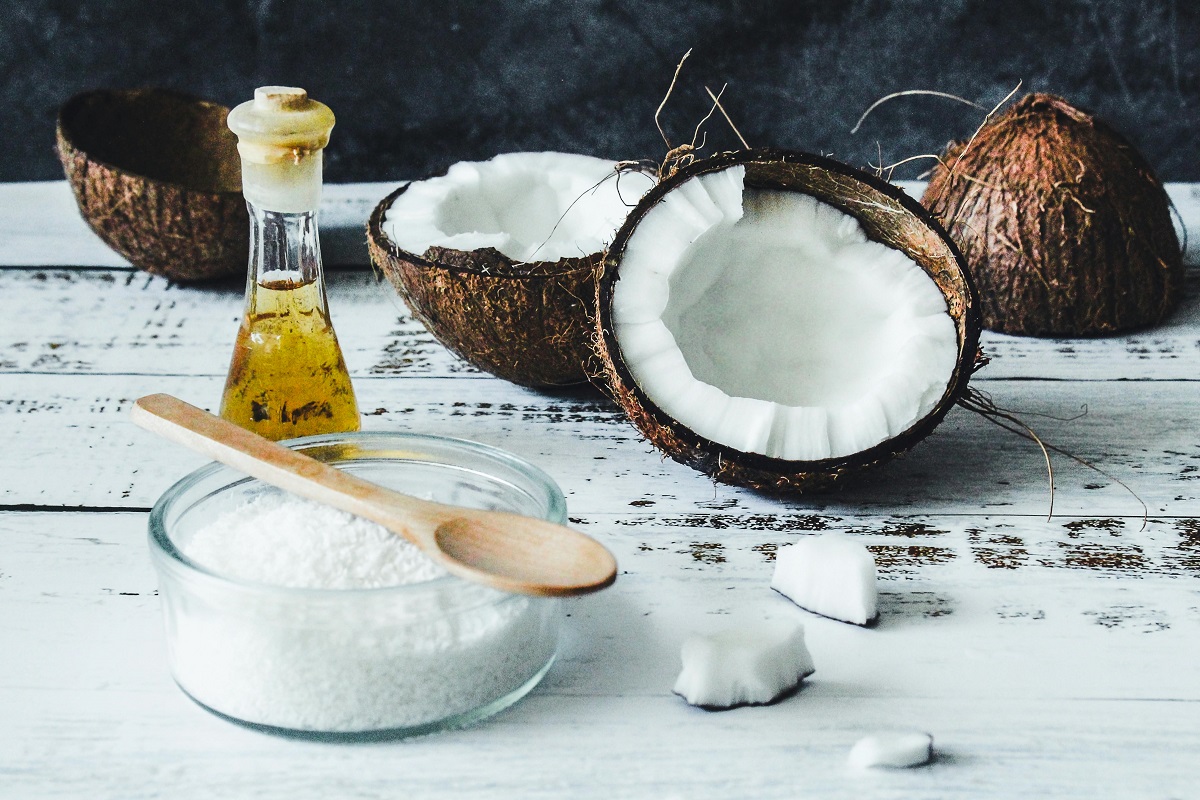
Coconut oil is extracted from the kernel or meat of mature coconuts harvested from the coconut palm (Cocos nucifera). There are two primary types of coconut oil: refined and virgin (or extra virgin). Refined coconut oil is often processed through high heat and sometimes even chemical solvents to extract the oil, resulting in a more neutral flavor and aroma. Virgin coconut oil, on the other hand, is extracted from fresh coconut meat using methods like cold pressing, preserving more of the natural flavor and beneficial compounds.
What sets coconut oil apart from other vegetable oils is its unusually high concentration of saturated fats, particularly medium-chain triglycerides MCTs like lauric acid, capric acid, and caprylic acid. These MCTs are metabolized differently in the body compared to long-chain fatty acids found in most other fats, giving coconut oil unique therapeutic properties. MCTs are more readily converted into energy by the liver, making them an excellent fuel source for the brain and body. This metabolic trait has piqued the interest of athletes, dieters, and even neurologists exploring coconut oil’s effects on cognitive health.
Health Benefits of Coconut Oil
Supports Heart Health When Used Wisely
While coconut oil has a high saturated fat content, its impact on heart health remains a topic of ongoing research and discussion. Lauric acid, the primary MCT in coconut oil, may increase HDL (good cholesterol), which helps in reducing the risk of heart disease. However, it’s also been found to raise LDL (bad cholesterol), though not to the same extent as some other saturated fats. Therefore, moderation is key. When used in a balanced diet alongside polyunsaturated fats from nuts, seeds, and fish, coconut oil can contribute to a heart-healthy lifestyle.
Antimicrobial and Antifungal Properties
Coconut oil’s high lauric acid content makes it a natural antimicrobial agent. Lauric acid has been shown to fight off various pathogens, including bacteria, viruses, and fungi. Studies have indicated that coconut oil is effective against Candida albicans, a common yeast responsible for fungal infections, and even some strains of Staphylococcus aureus. This antimicrobial action makes coconut oil an excellent natural alternative for treating minor wounds, skin infections, and even oral health issues like plaque formation and gum disease when used in oil pulling.
Promotes Weight Management
Medium-chain triglycerides found in coconut oil are believed to assist with weight loss and management due to their unique metabolic pathway. MCTs are rapidly absorbed and sent to the liver, where they are turned into energy or ketones, reducing the likelihood of fat storage.
Some studies suggest that MCTs increase feelings of fullness and help burn more calories compared to longer-chain fats. However, while promising, coconut oil should not be seen as a miracle fat-burning solution but rather as a complement to a healthy diet and active lifestyle.
Improves Brain Function
There’s a growing body of research suggesting that MCTs may support cognitive function, particularly in people with neurodegenerative conditions like Alzheimer’s disease. MCTs convert into ketones, an alternative energy source for brain cells when glucose uptake is impaired.
While more clinical studies are needed, anecdotal reports and preliminary trials indicate that regular consumption of virgin coconut oil may enhance memory, mental clarity, and overall brain performance, especially in aging populations.
Aids in Digestion and Gut Health
Coconut oil can contribute to a healthy digestive system thanks to its antimicrobial effects. By targeting harmful bacteria and yeast in the gut, coconut oil may reduce inflammation and bloating, creating a healthier microbiome environment. It also aids in the absorption of fat-soluble vitamins like A, D, E, and K. Its lubricating properties may even relieve constipation when taken in small, appropriate doses.
Beauty and Skincare Applications
Natural Moisturizer
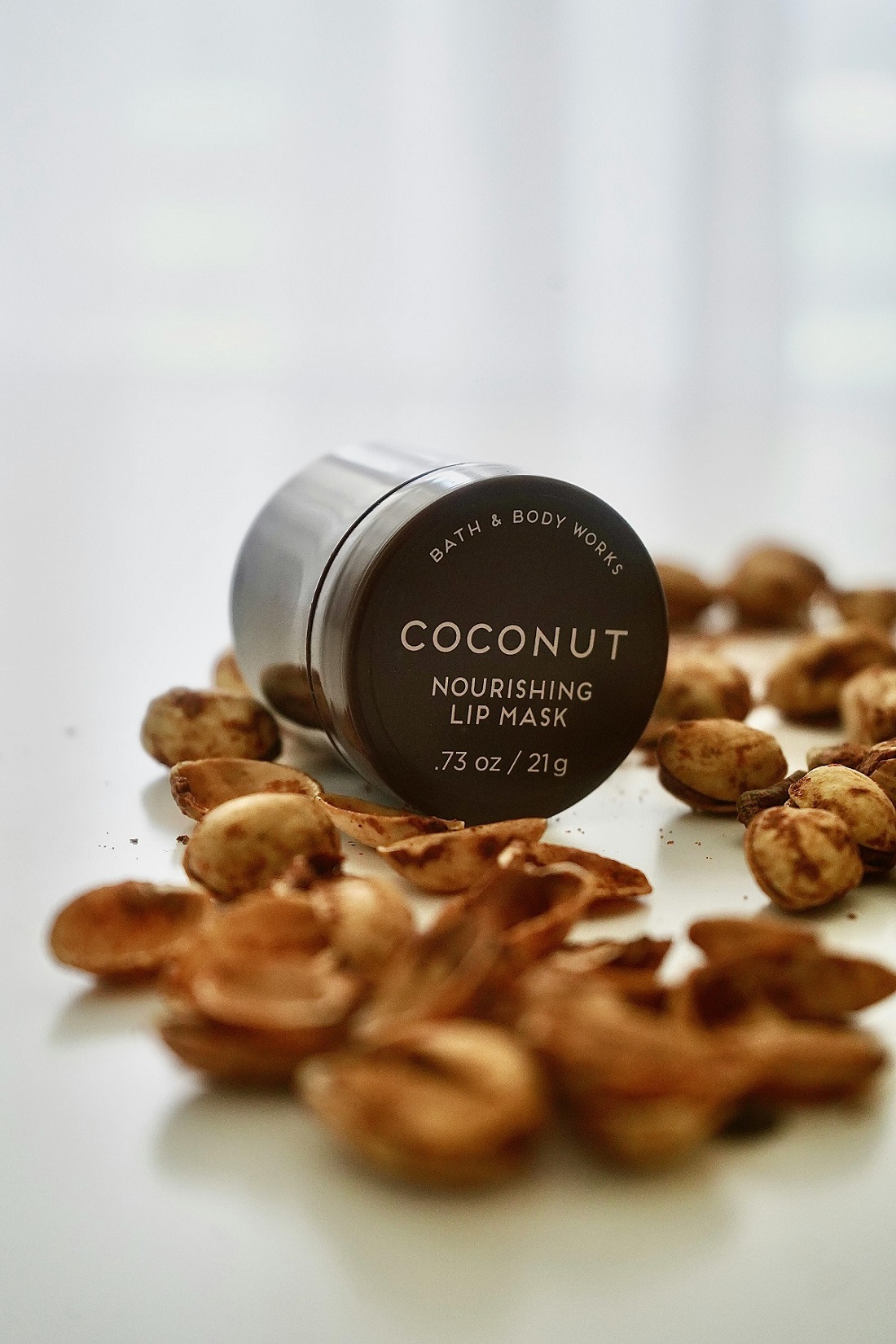
Coconut oil’s emollient properties make it a superb natural moisturizer. It penetrates the skin easily, creating a protective barrier that locks in moisture without clogging pores. For people with dry or sensitive skin, applying coconut oil can soothe irritation, reduce flakiness, and enhance skin softness. It’s especially popular in DIY skincare routines, where it’s mixed with essential oils or used as a base in body butters and lip balms.
Anti-Aging Properties
Rich in antioxidants like vitamin E and polyphenols, coconut oil helps combat oxidative stress that leads to premature aging. Regular application of coconut oil may reduce the appearance of fine lines, wrinkles, and age spots by neutralizing free radicals and supporting skin cell renewal. Its collagen-boosting properties further enhance skin elasticity, making it a favorite in natural anti-aging regimens.
Hair Care and Scalp Health
Coconut oil has long been revered in South Asian and Polynesian cultures for its ability to strengthen and nourish hair. Its small molecular structure allows it to penetrate the hair shaft more effectively than many other oils, reducing protein loss and preventing breakage. Applied as a pre-shampoo treatment or leave-in conditioner, coconut oil adds shine, reduces frizz, and stimulates scalp circulation, promoting healthier, thicker hair growth.
Natural Makeup Remover and Cleanser
Coconut oil serves as a gentle and effective makeup remover. Its oily texture breaks down even waterproof makeup, leaving the skin clean without harsh chemicals. It’s also used in oil cleansing routines to dissolve excess sebum and dirt from the pores, promoting a clearer complexion. Combined with other non-comedogenic oils, it forms an essential part of holistic skincare practices.
Culinary Uses and Nutritional Profile
Coconut oil is extremely versatile in the kitchen. With a high smoke point of about 350°F/177°C for virgin and up to 400°F/204°C for refined, it’s suitable for sautéing, baking, and frying. Its mild, slightly sweet flavor complements a wide range of dishes, especially in tropical and Asian cuisines. It can replace butter or vegetable oils in vegan recipes and is often added to smoothies, coffee, or oatmeal for a creamy texture and energy boost.
Nutritionally, one tablespoon of coconut oil contains about 120 calories, 14 grams of fat (12 grams saturated), and no cholesterol or trans fats. While it doesn’t provide a significant amount of vitamins or minerals, its MCT content is where its functional benefits lie. Still, like all fats, portion control is essential, particularly for individuals managing cholesterol levels or cardiovascular risks.
Industrial and Household Applications
Beyond health and beauty, coconut oil is also used in a variety of industrial and household products. It serves as a base for natural soaps, lotions, and biodegradable detergents due to its cleansing and emulsifying properties.
Coconut oil is also a common ingredient in natural deodorants and toothpaste. In some regions, it’s used as lamp oil or furniture polish. Its renewable nature and biodegradability make it a sustainable alternative to petrochemical-based products.
Precautions and Considerations
Despite its many advantages, coconut oil should be used mindfully. Its high saturated fat content means that overconsumption can elevate LDL cholesterol levels in some individuals. People with coconut allergies, although rare, should avoid both topical and internal use. When choosing coconut oil, opt for organic, cold-pressed, unrefined versions whenever possible to ensure you’re getting the highest quality product without additives or chemical residues.
It’s also important to conduct a patch test before applying coconut oil to sensitive skin or using it on children. Though it’s generally safe for topical use, certain skin types, especially acne-prone may react adversely. Consulting a dermatologist or healthcare provider before incorporating it into your wellness routine is advisable if you have existing medical conditions.