

Eucalyptus oil has long been revered in the natural wellness community for its wide range of therapeutic benefits and potent, invigorating aroma. Extracted from the leaves of the eucalyptus tree, a towering evergreen native to Australia, this essential oil has traveled far beyond its homeland, becoming a staple in aromatherapy, natural medicine, cleaning products, and personal care. The unmistakable scent of eucalyptus is fresh, sharp, and slightly sweet, instantly invoking a sense of clarity and calm.
Yet its appeal extends far beyond aroma. Eucalyptus oil is widely regarded for its antiviral, antibacterial, antifungal, and anti-inflammatory properties, making it an incredibly versatile remedy for various ailments. From soothing respiratory issues to promoting wound healing, repelling insects, relieving joint pain, and enhancing mental focus, this oil is a true multitasker. In this comprehensive guide, we’ll explore everything you need to know about eucalyptus oil, from its origins and chemical composition to its many uses, benefits, safety tips, and more.
A Glimpse into the History of Eucalyptus Oil
The medicinal use of eucalyptus dates back thousands of years, particularly among Indigenous Australian tribes who used the leaves for treating fevers, wounds, and infections. The eucalyptus tree, particularly Eucalyptus globulus, also known as the Blue Gum Tree, became known as the “fever tree” due to its use in treating malaria-like symptoms. In the 19th century, European settlers in Australia began to study the plant more systematically, and its essential oil was soon distilled for commercial and medicinal use.
By the early 20th century, eucalyptus oil had made its way into European and North American pharmacies, often included in cough syrups, lozenges, ointments, and antiseptics. Over time, its reputation grew, and it became a global staple in both conventional and alternative medicine. Today, eucalyptus oil continues to be produced mainly in Australia, China, South Africa, and Portugal, and it is one of the most widely used essential oils in the world.
How Eucalyptus Oil Is Extracted and What’s in It
Eucalyptus oil is extracted from the leaves of eucalyptus trees via steam distillation, a process that captures the volatile compounds responsible for the oil’s medicinal effects. The primary species used in oil production include Eucalyptus globulus, Eucalyptus radiata, and Eucalyptus citriodora (lemon eucalyptus). Each species contains slightly different chemical profiles, but the primary active component across most types is eucalyptol, 1,8-cineole.
Here’s a breakdown of key components found in eucalyptus oil:
Eucalyptol Cineole Comprising up to 90% of the oil, eucalyptol has powerful anti-inflammatory, decongestant, and antimicrobial properties.
Alpha-pinene offers antibacterial and bronchodilatory effects.
Limonene has antioxidant and anti-inflammatory properties.
Camphene is known for its cooling, calming effect, and helps in respiratory support.
Citronellal in lemon eucalyptus)Repels insects and provides antifungal effects.
The synergy of these compounds gives eucalyptus oil its remarkable ability to combat infections, clear the respiratory tract, soothe the skin, and uplift mental clarity.
Eucalyptus Oil and Respiratory Health
Perhaps the most well-known benefit of eucalyptus oil is its ability to relieve respiratory symptoms. The eucalyptol cineole in the oil acts as both a decongestant and bronchodilator, making it easier to breathe during colds, sinus infections, or allergic reactions. When inhaled, eucalyptus oil stimulates cold receptors in the nasal passages, helping to open airways and reduce the feeling of congestion. It also acts as an expectorant, helping to loosen phlegm and mucus, which can then be coughed up more easily.
For those suffering from asthma, bronchitis, sinusitis, or even the flu, eucalyptus oil offers soothing relief. A few drops in a steam bowl or diffuser can help clear clogged sinuses and reduce coughing fits. Many over-the-counter chest rubs, vapor balms, and cough syrups include eucalyptus oil for this very reason. It’s especially helpful when used at night, as it promotes easier breathing and more restful sleep.
Powerful Antimicrobial and Immune-Boosting Properties
Eucalyptus oil is a formidable ally against bacteria, viruses, and fungi. Numerous studies have shown that eucalyptol can inhibit the growth of Staphylococcus aureus, Escherichia coli, and Candida albicans, among others. This makes the oil an excellent natural disinfectant for both personal use and household cleaning. During cold and flu season, diffusing eucalyptus oil throughout the home can help purify the air and reduce the transmission of airborne germs.
In addition to killing pathogens, eucalyptus oil also stimulates the immune system. It enhances the activity of macrophages, the white blood cells that consume pathogens and cellular debris, thereby speeding up recovery from illness. In holistic medicine, it’s often used in detoxification protocols and wellness routines to enhance immunity and reduce systemic inflammation.
Natural Pain Relief for Joints, Muscles, and Nerves
Eucalyptus oil’s anti-inflammatory and analgesic properties make it a natural choice for relieving muscle pain, joint stiffness, and nerve discomfort. When applied topically in a carrier oil, it penetrates the skin and stimulates circulation to the affected area, promoting faster healing and reducing swelling. It also acts as a mild counterirritant, creating a cooling sensation that diverts attention from deeper pain.
Eucalyptus oil is frequently used in massage therapy for people suffering from arthritis, sciatica, tendonitis, fibromyalgia, or sports injuries. It can also be added to hot compresses or Epsom salt baths to soothe sore muscles after physical activity. Many commercial pain-relieving balms combine eucalyptus oil with menthol or capsaicin for enhanced results.
Skin Benefits and First Aid Applications
Eucalyptus oil is a natural antiseptic, making it a useful addition to any first aid kit. It can be applied (in diluted form) to minor cuts, scrapes, burns, insect bites, and abrasions to prevent infection and promote faster healing. Its anti-inflammatory properties help reduce redness and swelling, while its cooling effect offers immediate relief from irritation.
For people with acne-prone or oily skin, eucalyptus oil can help combat the bacteria that cause breakouts. When added to facial cleansers or masks, it helps purify pores and tone the skin. It also has a drying effect that helps control excess oil production. However, it should always be diluted and patch-tested before use on the face to avoid skin sensitivity.
Mental Clarity, Stress Reduction, and Mood Support
The crisp, invigorating scent of eucalyptus oil has powerful effects on the nervous system. It promotes mental clarity, reduces mental fatigue, and encourages deep breathing, all of which help combat stress and anxiety. Eucalyptus oil stimulates the brain’s limbic system, which governs emotion, memory, and behavior. When diffused or inhaled, it can reduce mental fog, uplift the mood, and improve overall focus and concentration.
This makes eucalyptus oil especially beneficial during long workdays, study sessions, or periods of emotional exhaustion. It’s often blended with other uplifting essential oils like lemon, rosemary, or peppermint for a powerful aromatherapeutic effect. In meditation or mindfulness practices, eucalyptus oil can enhance the sense of connection between breath, body, and spirit.
Natural Insect Repellent and Household Disinfectant
Few people realize that eucalyptus oil is a highly effective natural insect repellent. It works especially well against mosquitoes, ticks, lice, and mites, thanks to its strong aroma and citronellal content, especially in lemon eucalyptus oil. The CDC even recommends oil of lemon eucalyptus as a safe, effective mosquito repellent. You can create your natural bug spray by mixing eucalyptus oil with witch hazel, water, and other essential oils like citronella or lavender.
As a household cleaner, eucalyptus oil kills germs, neutralizes odors, and leaves surfaces smelling fresh. It can be added to DIY cleaning sprays for use on kitchen counters, bathroom tiles, or doorknobs. Its antibacterial and antiviral action makes it particularly useful in homes with children or during illness outbreaks.
Oral Health and Dental Care
Eucalyptus oil plays an important role in oral hygiene due to its antimicrobial activity. It’s commonly found in mouthwashes, toothpaste, and dental rinses, where it helps kill bacteria that cause bad breath, cavities, and gum disease. Gargling with a diluted eucalyptus solution can also help soothe sore throats and mouth ulcers.
Its ability to combat plaque and gingivitis makes it an ideal companion in any dental care routine. You can make your natural mouth rinse by mixing a drop or two of eucalyptus oil in a glass of water and swishing it in your mouth (do not swallow). Be cautious with dosage, however, as the oil is highly concentrated.
How to Use Eucalyptus Oil Safely
Eucalyptus oil is a potent substance, and with great power comes great responsibility. Here are some key safety guidelines:
Always dilute before topical useUse a carrier oil like coconut, olive, or almond oil. A common dilution ratio is 2–3 drops per teaspoon of carrier oil.
Do not ingest eucalyptus oil unless under the guidance of a qualified health professional. It can be toxic in large doses.
Keep away from children and pets, as ingestion or high exposure may lead to toxic effects.
Avoid contact with eyes, mucous membranes, or open wounds unless advised by a healthcare provider.
Perform a patch test before first-time use to rule out allergic reactions.
Pregnant or breastfeeding individuals and those with epilepsy, high blood pressure, or other chronic conditions should consult a healthcare provider before using eucalyptus oil.
How to Choose the Right Eucalyptus Oil
When buying eucalyptus oil, quality matters. Here are some tips:
Look for 100% pure, therapeutic-grade essential oil.
The label should indicate the species used (e.g., Eucalyptus globulus, Eucalyptus radiata).
When possible, prefer organic or wildcrafted oils to avoid pesticide residues.
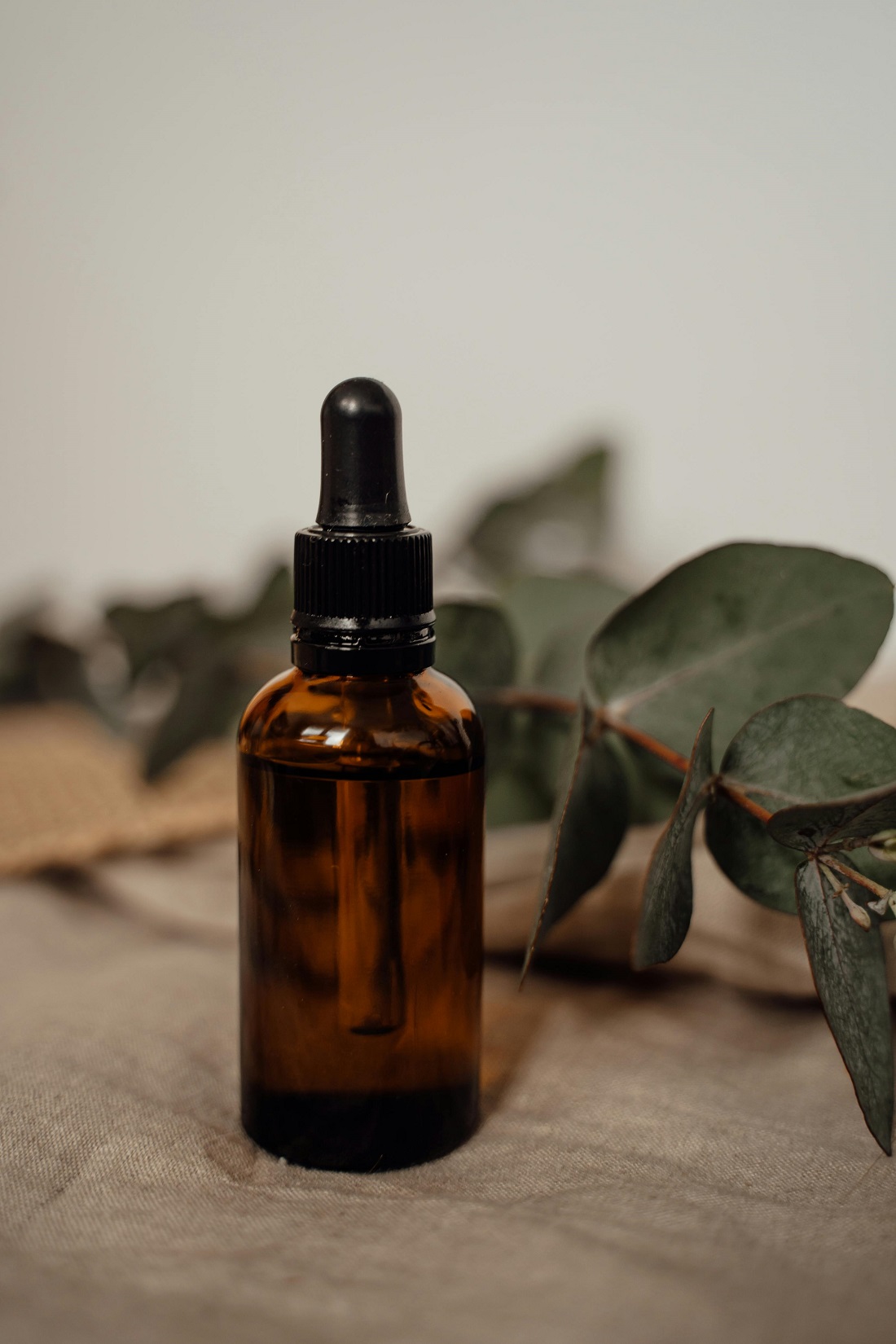
Store the oil in dark glass bottles to protect it from light and oxidation.
A reliable supplier should provide GC/MS test results, verifying the oil’s purity and chemical composition.