
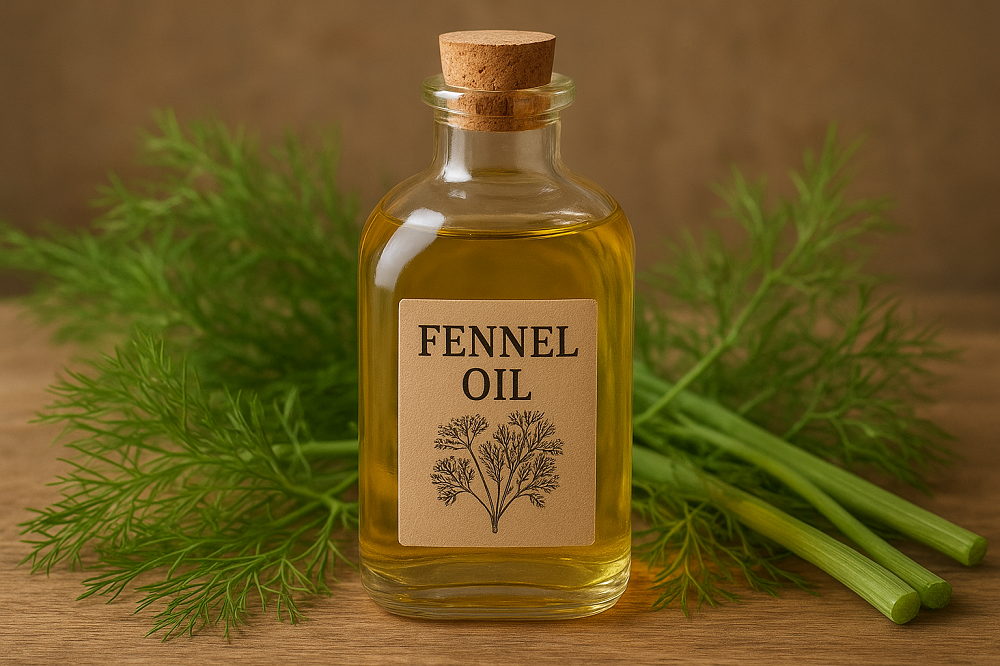
Fennel oil is a powerful essential oil derived from the seeds of the fennel plant Foeniculum vulgare a fragrant herb that has been celebrated for thousands of years for its culinary medicinal, and spiritual significance. With its sweet licorice like aroma and potent therapeutic properties fennel oil has been used in ancient civilizations ranging from Egypt to Rome and India. Historically fennel seeds were valued not just as a flavorful spice but also as a healing agent believed to improve digestion boost energy and even provide protection against evil spirits. The essential oil extracted from these seeds carries an even more concentrated form of these benefits making it a prized ingredient in traditional medicine aromatherapy and modern wellness practices.
Fennel oil is obtained through steam distillation of the dried seeds producing a light yellow to clear liquid with a distinct sweet-spicy fragrance. Rich in volatile compounds such as anethole fenchone and estragole it has been studied for its digestive antimicrobial anti-inflammatory and hormonal-balancing effects. Beyond medicinal uses fennel oil is widely employed in the food and beverage industry as a flavoring agent in cosmetics for its cleansing and toning abilities and in perfumery for its sweet herbal notes. Its versatility makes it one of the most useful and dynamic essential oils available today.
History and Cultural Significance of Fennel Oil
The story of fennel oil begins with the fennel plant itself which has been cultivated and revered for thousands of years. Originating in the Mediterranean region fennel was a staple in ancient diets and healing practices. In Greek mythology fennel stalks were said to carry the fire of the gods and the herb was associated with strength, courage and longevity. Roman soldiers consumed fennel to maintain stamina while Roman physicians recommended it for digestive complaints and eye health.
In ancient Egypt fennel seeds and their oil were used as offerings to the gods and incorporated into medicinal formulas for treating snake bites digestive issues and hormonal imbalances. Ayurvedic medicine in India has long embraced fennel for its cooling and balancing properties prescribing it for respiratory conditions menstrual discomfort and detoxification. Traditional Chinese Medicine also recognized fennel as a warming herb that could disperse cold regulate energy flow and improve digestive fire.
Over the centuries fennel spread across Europe and Asia, adapting into culinary traditions as both a vegetable and a spice. The seeds were particularly valued for their breath-freshening qualities often chewed after meals to aid digestion. As distillation techniques advanced essential oils like fennel oil were produced in greater quantities cementing their place in herbal medicine and aromatherapy. Today fennel oil continues to be cherished not only for its medicinal benefits but also as a sustainable natural product that connects us to ancient traditions of healing.
Extraction Process of Fennel Oil
The essential oil of fennel is obtained primarily through steam distillation of the dried fennel seeds. This method preserves the delicate volatile compounds that give fennel oil its distinctive aroma and therapeutic properties.
The process begins with harvesting fennel seeds once they have fully matured and dried on the plant. The seeds are then cleaned and crushed to release their aromatic compounds before being placed into a distillation chamber. Steam is passed through the seeds causing the volatile oils to vaporize. These vapors are then condensed and collected separating the essential oil from the water. The final product is a clear to pale yellow oil with a sweet, herbal, anise-like fragrance.
The yield of fennel oil can vary depending on factors such as the variety of fennel the soil and climate conditions where it was grown and the distillation method used. On average fennel seeds contain about 2–6% essential oil by weight. For high-quality oil careful handling is required to preserve the integrity of sensitive compounds like anethole and fenchone which give fennel oil its unique therapeutic effects.
In addition to steam distillation solvent extraction may be used in industrial applications but this method is less common due to the risk of residual chemicals. For therapeutic and aromatherapy purposes pure steam-distilled fennel oil is preferred to ensure safety and effectiveness.
Nutritional and Chemical Composition
Fennel oil owes its wide-ranging health benefits to its complex blend of volatile compounds each contributing to its aroma and therapeutic action. The chemical composition may vary slightly depending on the origin of the plant and the distillation process, but the main constituents include
Anethole 50–70% Responsible for the sweet licorice-like aroma known for its digestive antispasmodic and estrogenic effects.
Fenchone 5–20% Contributes a bitter earthy note has antimicrobial and expectorant properties.
Estragole 2–10% Adds sweetness and warmth supports digestion but should be used cautiously due to safety considerations.
Limonene 2–6% Offers antioxidant and anti-inflammatory effects.
Alpha-pinene and Beta-pinene trace amounts Contribute to antimicrobial and respiratory benefits.
Together these compounds give fennel oil its distinctive character and versatility. Unlike the nutritional profile of fennel seeds fennel essential oil does not provide macronutrients like proteins or fibers but instead offers concentrated bioactive compounds that act on the body in small doses.
Health Benefits of Fennel Oil
Digestive Health
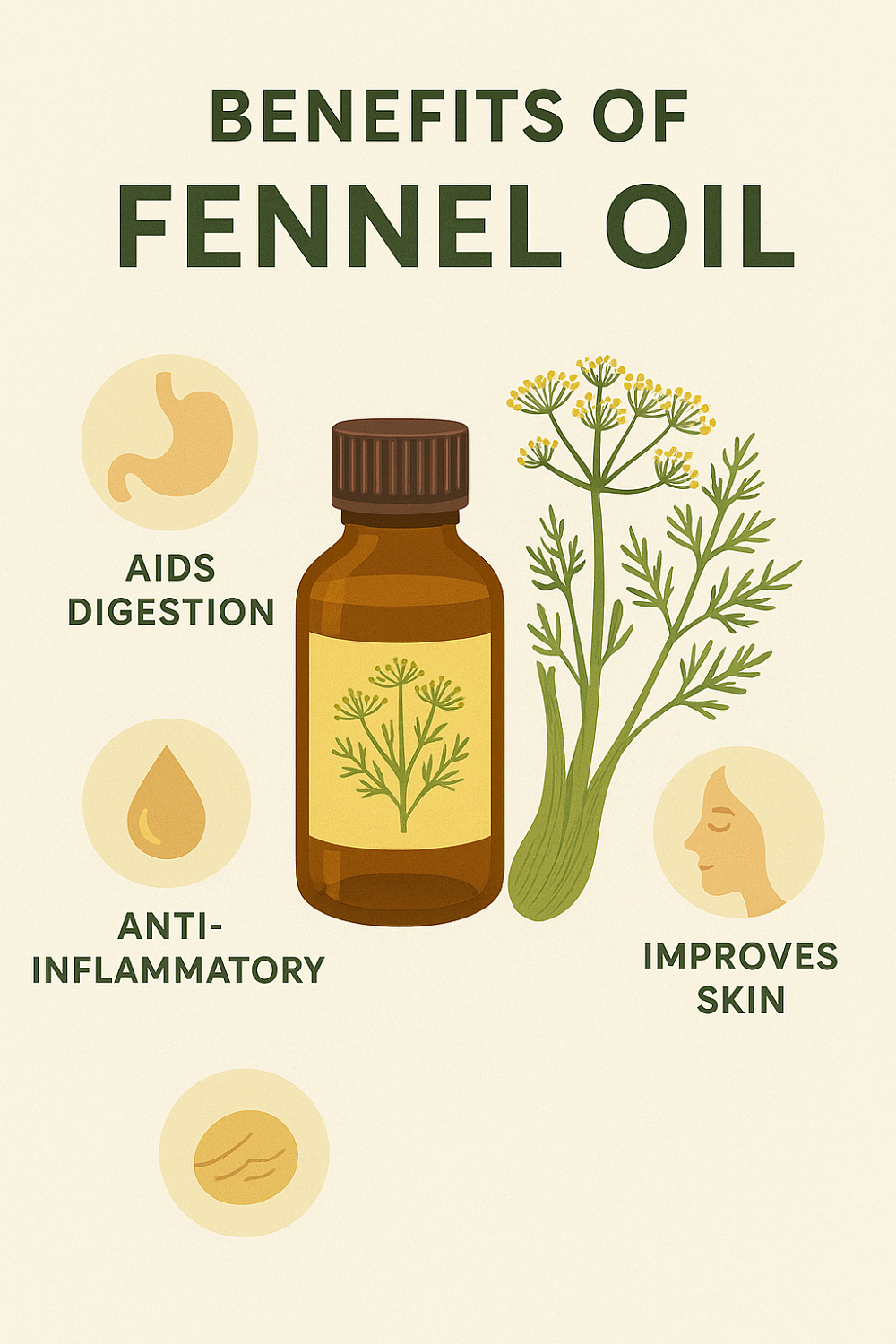
One of the most well-known uses of fennel oil is in supporting digestion. The high anethole content relaxes smooth muscles in the gastrointestinal tract reducing bloating cramping and gas. Traditionally fennel seed tea or fennel oil diluted in carrier oil has been used to relieve indigestion flatulence and constipation. Aromatherapy practitioners also recommend inhaling fennel oil to stimulate appetite and digestive enzymes. Its carminative properties make it especially useful after heavy meals ensuring smoother digestion and reduced discomfort.
Hormonal Balance and Women’s Health
Fennel oil has a long history of use in supporting women’s health particularly in relation to menstrual cycles and menopause. Its phytoestrogenic properties primarily due to anethole mimic estrogen in the body and can help regulate irregular cycles ease menstrual cramps and reduce symptoms such as hot flashes. In traditional medicine fennel preparations were often given to nursing mothers to stimulate lactation although modern practitioners recommend caution and professional guidance when using fennel oil for this purpose. Applied topically in diluted form fennel oil may help relieve abdominal discomfort and promote hormonal balance naturally.
Respiratory Relief
With its expectorant and anti-inflammatory qualities fennel oil can be highly effective in supporting respiratory health. It helps loosen mucus clear congestion and soothe coughs. Inhalation of fennel oil through steam therapy or diffusers can provide relief for individuals suffering from colds bronchitis or asthma. Combined with other essential oils such as eucalyptus or peppermint fennel oil enhances respiratory function and supports the body’s natural defenses against infections.
Antimicrobial and Antioxidant Properties
Fennel oil exhibits antimicrobial effects against bacteria fungi and certain viruses making it useful in promoting overall immunity and hygiene. Applied in diluted form it can be used in natural skin cleansers to reduce acne causing bacteria or added to household cleaning solutions for its purifying properties. Additionally its antioxidant content protects cells from oxidative stress slowing down the aging process and reducing the risk of chronic diseases linked to free radical damage.
Weight Management and Detoxification
Another fascinating application of fennel oil lies in its potential for weight management. Its appetite-suppressing properties when inhaled or ingested in controlled amounts may help reduce overeating and cravings. In Ayurvedic medicine fennel oil has been used to support liver detoxification and enhance metabolism helping the body eliminate toxins more effectively. While scientific evidence is still emerging these traditional uses highlight the oil’s potential in holistic wellness and weight control.
Oral Health
Chewing fennel seeds after meals is a common tradition in many cultures for fresh breath and improved digestion. Fennel oil amplifies these benefits due to its antimicrobial and refreshing qualities. It is often included in natural mouthwashes and toothpaste formulations to combat bad breath reduce gum inflammation and protect against oral infections. Its sweet aroma makes it a pleasant addition to oral care routines.
Culinary Uses of Fennel Oil
While fennel seeds are widely used as a spice in cooking fennel oil also has culinary applications primarily as a flavoring agent. It is used sparingly due to its strong concentration but adds a sweet licorice-like note to confectionery baked goods liqueurs and beverages. In the food industry fennel oil is employed to flavor candies sauces and pickles where its distinctive taste enhances overall appeal.
In traditional practices fennel oil diluted in warm water has been consumed to aid digestion or freshen breath. However because of its potency and the presence of estragole it must be used with caution and only in very small amounts when food-grade oil is specifically labeled as safe for internal consumption. Culinary use remains secondary to its medicinal and aromatic applications but it demonstrates the versatility of fennel oil as both a spice and a functional ingredient.
Cosmetic and Aromatherapy Applications
Fennel oil is a popular ingredient in cosmetics aromatherapy and natural beauty routines due to its toning detoxifying and balancing properties.
Skin Care Diluted fennel oil can be used in facial massages to reduce puffiness tone the skin and fight acne-causing bacteria. Its antioxidant properties help slow down the signs of aging and improve skin elasticity.
Hair Care Added to shampoos or scalp massages fennel oil strengthens hair stimulates growth and helps reduce dandruff.
Aromatherapy Inhalation of fennel oil promotes clarity of thought reduces stress and uplifts mood. It is often diffused during meditation or yoga practices to support mental focus and relaxation.
Massage Oils Combined with carrier oils fennel oil can be used in body massages to relieve muscle tension stimulate circulation and support detoxification.
Its sweet yet herbal fragrance makes fennel oil a versatile addition to perfumes creams and holistic wellness products.
Side Effects and Precautions
Although fennel oil offers numerous benefits it must be used responsibly to avoid side effects
Allergic Reactions Some individuals may experience skin irritation or allergic reactions. Always perform a patch test before topical use.
Estragole Content High concentrations of estragole have raised safety concerns particularly with prolonged internal use. Pregnant women breastfeeding mothers and young children should avoid using fennel oil internally.
Hormonal Effects Because of its estrogen-like activity, fennel oil should be avoided by individuals with hormone-sensitive conditions such as breast or ovarian cancer unless under professional guidance.
Dosage Internal use should only be under the supervision of a qualified healthcare provider as excessive amounts may cause nausea dizziness or seizures.
When used topically in dilution or aromatically in moderation fennel oil is generally safe and effective.
Frequently Asked Questions
Does fennel oil help with digestion?
Yes fennel oil is well-known for its carminative and antispasmodic effects helping to relieve bloating gas and indigestion.
Can fennel oil be ingested?
Only food-grade fennel oil should be ingested and even then in very small amounts under professional supervision due to safety concerns.
Is fennel oil safe for children?
Fennel oil is not recommended for internal use in children and should be used with caution topically always diluted in a carrier oil.
How does fennel oil affect women’s health?
Its phytoestrogenic properties can help balance hormones regulate cycles and ease menopausal symptoms but medical advice is essential for safe use.
What does fennel oil smell like?
Fennel oil has a sweet herbal anise-like aroma that is refreshing uplifting and distinctively licorice-like.