
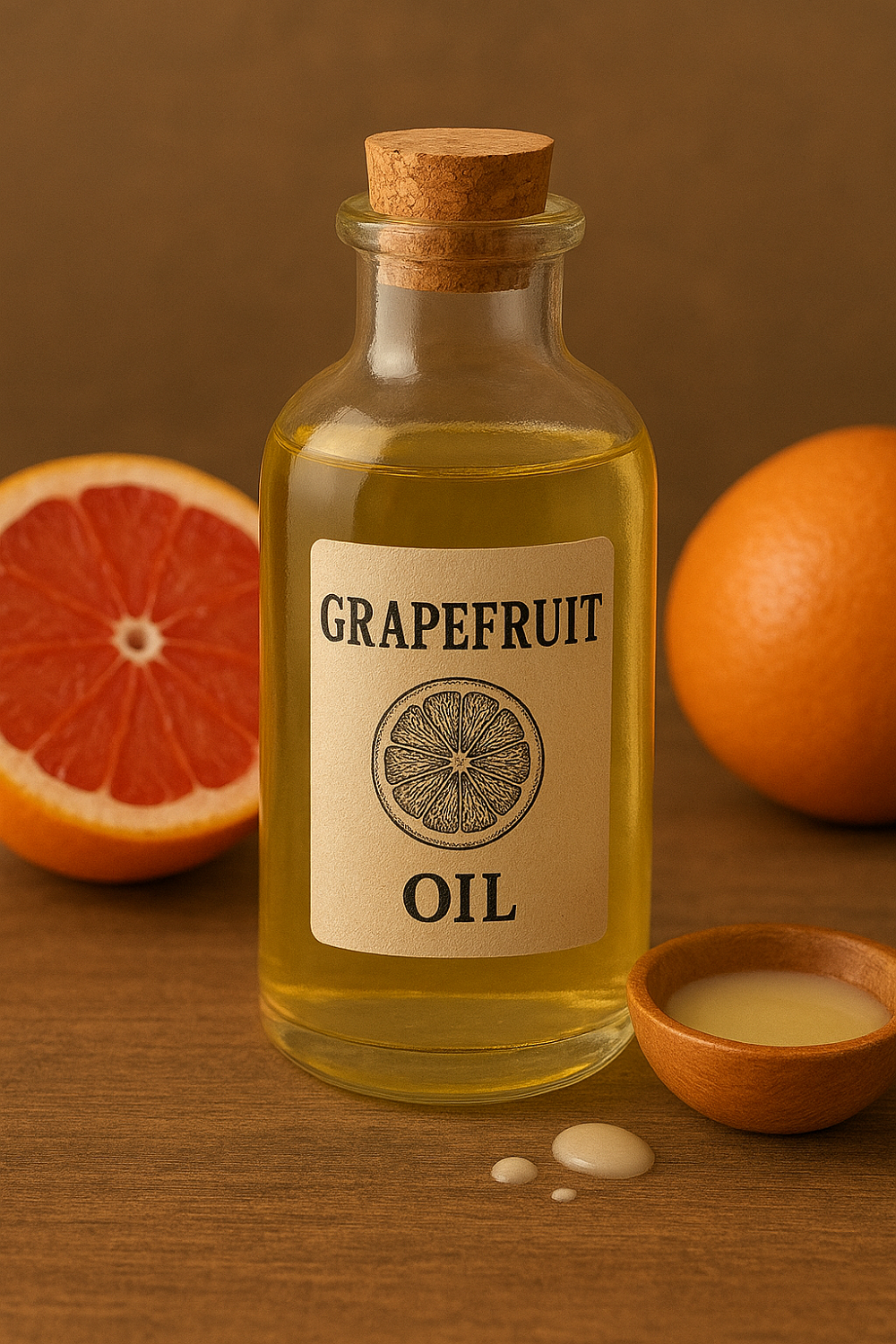
Grapefruit oil is a refreshing and invigorating essential oil extracted from the peel of the grapefruit Citrus paradisi a fruit beloved around the world for its bright flavor vibrant color, and health-promoting properties. With its crisp, citrusy aroma that instantly uplifts the senses grapefruit oil has become a staple in aromatherapy natural medicine and personal care products. Beyond its appealing fragrance this oil carries a wealth of benefits ranging from supporting weight management and detoxification to improving skin health boosting mood, and fighting microbial infections.
The oil is typically obtained through cold-pressing the rind of the grapefruit capturing its natural volatile compounds most notably limonene which makes up the majority of its composition. Grapefruit oil is often compared to other citrus oils like lemon and orange but it has a distinct aroma that is both sweet and slightly tart making it especially refreshing. In traditional practices grapefruit oil has been used to stimulate circulation cleanse the lymphatic system and ease stress. In modern times it is widely employed in skincare formulations hair products natural cleansers and even culinary applications.
History and Cultural Significance of Grapefruit Oil
The grapefruit is a relatively new fruit compared to other citrus varieties with its origins tracing back to the 18th century in the Caribbean. It is believed to be a hybrid between sweet orange Citrus sinensis and pomelo Citrus maxima discovered on the island of Barbados. Grapefruit quickly spread to other parts of the world particularly Florida and Texas which are still leading producers today.
Though grapefruit itself became a popular breakfast fruit in the 19th and 20th centuries the oil extracted from its rind began to attract interest for its therapeutic potential. Citrus oils in general had been used for centuries in Europe and Asia for their refreshing scents and cleansing properties so it was only natural that grapefruit oil joined this tradition. In aromatherapy grapefruit oil became known as a mood booster and energizer often used to fight fatigue stress and seasonal depression. In folk medicine it was applied to help digestion stimulate circulation and reduce excess fluid retention.
Today grapefruit oil carries both cultural and commercial significance. It is a favorite in the fragrance and cosmetic industries, valued not only for its aroma but also for its purifying and skin-toning abilities. Its use in wellness rituals detox programs and spa treatments connects it to traditions of cleansing and renewal. Grapefruit oil in many ways embodies the vibrant revitalizing qualities of the fruit itself a natural symbol of freshness lightness and vitality.
Extraction Process of Grapefruit Oil
Grapefruit oil is primarily extracted through the cold-pressing method which involves mechanically pressing the peel of the fruit to release its essential oils. This method preserves the delicate volatile compounds without exposing them to high heat which could degrade their quality. The process also produces a byproduct known as grapefruit essence oil which is a more aromatic less concentrated extract often used in the food and beverage industry.
In large-scale production grapefruits are washed peeled and mechanically processed. The oil sacs in the peel are punctured releasing the essential oils which are then separated from the juice and water content. Because grapefruits are highly perishable and yield a relatively small amount of oil compared to their weight the oil is considered precious. Quality can also vary depending on the variety of grapefruit white pink or ruby red and the growing conditions of the fruit.
Steam distillation is sometimes used but cold-pressed oil is generally considered superior because it better retains the bright fresh aroma and the full spectrum of bioactive compounds. Regardless of method high-quality grapefruit oil is typically a pale yellow to orange liquid with a sharp sweet-citrus scent that makes it immediately recognizable.
Chemical Composition and Nutritional Profile
Grapefruit oil owes its therapeutic and aromatic properties to its rich chemical composition which is dominated by monoterpenes and other volatile compounds. The most important constituents include
Limonene 85–95% A powerful antioxidant and anti-inflammatory compound that also contributes to the oil’s cleansing and uplifting properties.
Myrcene 1–3% Adds to the fragrance and supports anti-inflammatory activity.
Linalool trace amounts Offers calming and stress-relieving effects.
Nootkatone trace amounts Gives grapefruit its distinctive tart flavor and contributes insect-repelling properties.
Pinene and Sabinene trace amounts Enhance antimicrobial and respiratory benefits.
Unlike edible grapefruit juice, grapefruit essential oil does not contain macronutrients like vitamins minerals or fibers. Instead its power lies in its highly concentrated phytochemicals which act on the body in small amounts.
Health Benefits of Grapefruit Oil

Boosts Mood and Relieves Stress
One of the most celebrated uses of grapefruit oil is its ability to uplift the spirit and reduce stress. Inhalation of the oil stimulates the limbic system in the brain which is associated with emotions memory and mood regulation. Its fresh, citrusy scent helps combat fatigue, promote relaxation and improve mental clarity. Diffusing grapefruit oil in your home or workplace can create a refreshing environment that encourages focus and positivity.
Supports Weight Management
Grapefruit oil is often associated with weight management and detoxification. In aromatherapy, inhaling grapefruit oil has been found to reduce cravings and promote feelings of fullness, potentially helping with appetite control. Some studies suggest that compounds in grapefruit oil may support metabolism by stimulating the breakdown of body fat. When diluted and massaged onto the skin, it is also used to improve circulation and reduce the appearance of cellulite, making it a popular ingredient in slimming creams and massage oils.
Promotes Healthy Digestion
Traditionally grapefruit oil has been used to aid digestion. Its natural enzymes and aromatic compounds can stimulate gastric secretions easing bloating indigestion and constipation. When properly diluted and massaged onto the abdomen, grapefruit oil may help relieve digestive discomfort by relaxing the stomach muscles and promoting smoother digestion.
Detoxifies and Cleanses the Body
Grapefruit oil is known for its detoxifying qualities. It stimulates the lymphatic system which is responsible for removing toxins and excess fluids from the body. By supporting lymphatic drainage grapefruit oil helps reduce water retention and swelling. This makes it a common ingredient in detox programs spa treatments and natural cleansing rituals.
Skin Health and Beauty
In skincare grapefruit oil is prized for its astringent antiseptic and antioxidant properties. It helps tone the skin tighten pores and reduce excess oil making it particularly beneficial for oily or acne-prone skin. Its antimicrobial effects can also help reduce blemishes and keep the skin clear. Additionally its high limonene content protects against oxidative damage slowing down premature aging and maintaining a youthful appearance.
Hair and Scalp Care
Grapefruit oil is often added to shampoos and conditioners for its cleansing and invigorating properties. It helps remove excess oils and buildup leaving the hair fresh and shiny. Massaging diluted grapefruit oil into the scalp can stimulate blood flow support hair growth and reduce dandruff. Its refreshing scent also leaves hair smelling fresh and clean.
Antimicrobial and Immune Support
With its natural antibacterial and antiviral properties grapefruit oil supports immune health. It can be used in natural cleaning solutions to disinfect surfaces added to homemade hand sanitizers or diluted and applied topically to help fight skin infections. Its antioxidant activity further strengthens the body’s defenses against illness.
Respiratory Health
Inhalation of grapefruit oil can help clear congestion soothe sore throats and support respiratory health. Its fresh scent also makes it effective in reducing mental fog and promoting clear breathing. Combined with oils like eucalyptus or peppermint grapefruit oil becomes a powerful tool for respiratory support during cold and flu season.
Culinary Uses of Grapefruit Oil
Although grapefruit essential oil is primarily used for therapeutic and aromatic purposes food-grade versions can be used sparingly in culinary applications. A drop or two can add a burst of citrus flavor to beverages desserts salad dressings or marinades. Its concentrated nature means only a very small amount is required and it should always be diluted properly.
In the food and beverage industry grapefruit oil is often used as a natural flavoring agent in candies sodas and baked goods. However caution is necessary when using essential oils internally and only oils specifically labeled as safe for consumption should ever be used in this way.
Cosmetic and Industrial Applications
Beyond health and culinary uses grapefruit oil has a wide range of applications in cosmetics aromatherapy and industry
Lotions and Creams Used for its toning and refreshing effects on the skin.
Soaps and Body Washes Adds fragrance and cleansing power.
Massage Oils Stimulates circulation and reduces muscle fatigue.
Perfumes and Candles Provides a light citrusy aroma that blends well with other scents.
Household Cleaners Acts as a natural degreaser and disinfectant.
The versatility of grapefruit oil makes it one of the most widely used citrus oils both in personal care and commercial products.
Side Effects and Precautions
While grapefruit oil offers many benefits it must be used with caution
Photosensitivity Grapefruit oil can make the skin more sensitive to sunlight increasing the risk of sunburn. Avoid direct sun exposure after applying it topically.
Skin Irritation Undiluted grapefruit oil may cause irritation so it should always be mixed with a carrier oil before applying to the skin.
Internal Use Risks Grapefruit oil can interact with certain medications particularly those metabolized by the liver enzyme CYP3A4. This is similar to the well-known grapefruit juice effect. Always consult a doctor before ingesting grapefruit oil if you are taking prescription drugs.
Pregnancy and Children Pregnant women nursing mothers and young children should use grapefruit oil only under professional guidance.
When used safely grapefruit oil is generally well tolerated and highly effective in promoting wellness.
Frequently Asked Questions
What does grapefruit oil smell like?
It has a fresh sweet citrusy scent with a slightly tart undertone similar to the fruit itself.
Can grapefruit oil really help with weight loss?
While grapefruit oil may help reduce cravings and support metabolism it is not a miracle solution. It works best when combined with a healthy diet and exercise.
Is grapefruit oil safe for the skin?
Yes when properly diluted. However avoid sun exposure after use due to photosensitivity.
How is grapefruit oil different from other citrus oils?
It has a sharper more tart aroma compared to sweet orange or lemon oil and contains unique compounds like nootkatone.
Can grapefruit oil be added to drinking water?
Only food-grade grapefruit oil should be used internally and even then in very small amounts and with professional guidance.