
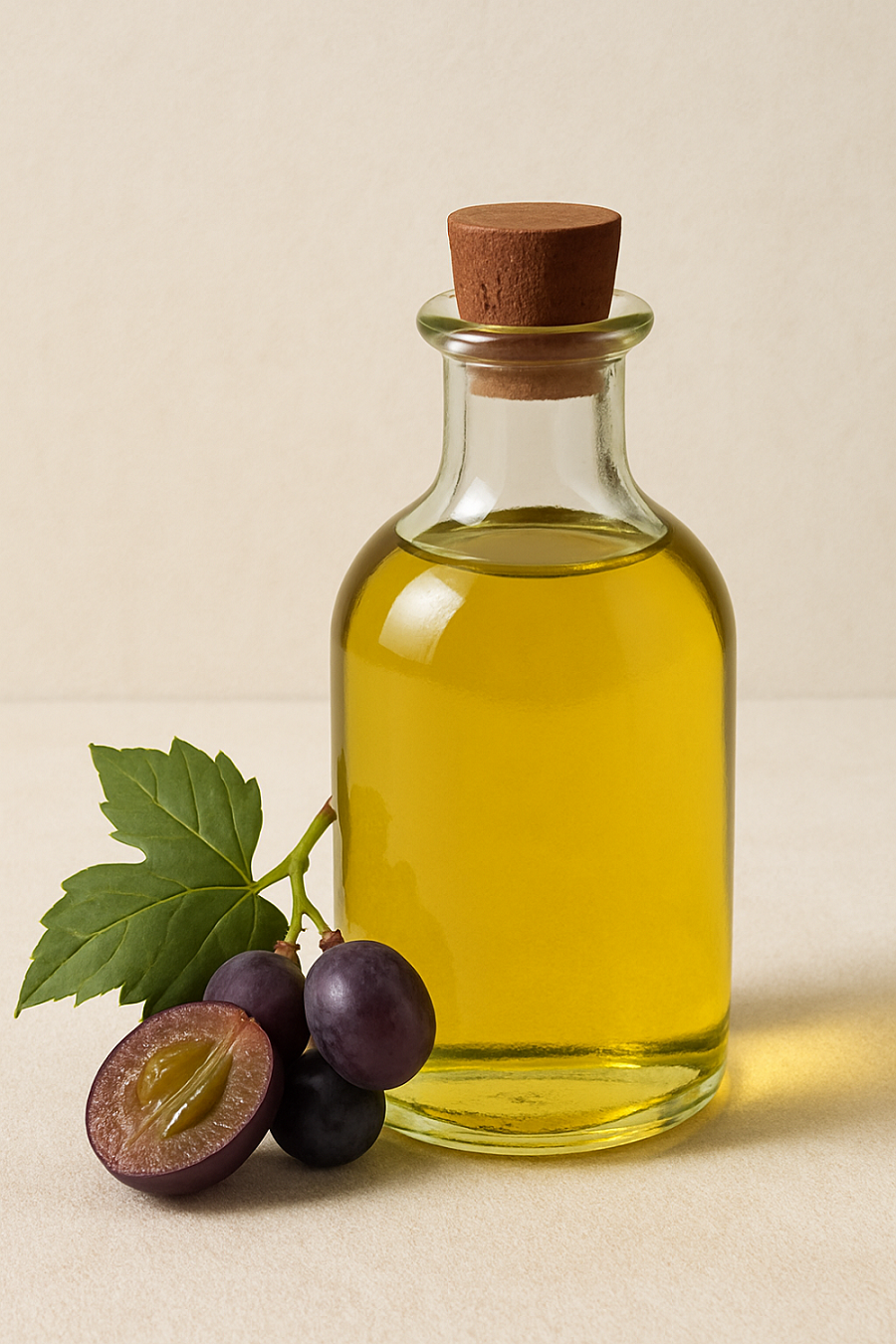
Natural oils have taken center stage in skincare, hair care, and health communities around the world. Among the many options available, grapeseed oil has emerged as a lightweight, nutrient-rich, and incredibly versatile oil that suits nearly every skin type and lifestyle. Pressed from the seeds of grapes, a byproduct of winemaking, grapeseed oil is one of nature’s most underrated treasures. Its rise in popularity isn’t just hype. Backed by both ancient tradition and modern research, grapeseed oil boasts a remarkable range of benefits that extend from external beauty to internal health.
What sets grapeseed oil apart from other plant-based oils is its unique composition. It’s non-comedogenic, meaning it won’t clog pores, making it ideal for acne-prone skin. It’s also rich in vitamin E, linoleic acid, polyphenols, and antioxidants, all of which play critical roles in protecting, nourishing, and healing the body from the inside out. Whether you’re looking to hydrate your skin, soften your hair, reduce signs of aging, or even support your cardiovascular system, grapeseed oil offers a natural, effective solution. In this long-form article, we’ll take a deep dive into the origins, composition, skincare benefits, hair uses, health effects, and practical applications of grapeseed oil, helping you understand why it deserves a place in your daily routine.
A Brief History and Origins of Grapeseed Oil
Grapeseed oil, as the name suggests, is derived from the tiny seeds inside grapes, specifically Vitis vinifera, the same species of grape used in winemaking. Although grapes have been cultivated for over 6,000 years, the oil from their seeds wasn’t widely utilized until modern extraction methods made it feasible. Historically, grape seeds were often discarded during the wine production process, but innovators discovered that these seeds were packed with powerful compounds that had the potential to benefit skin, health, and even culinary practices.
Today, grapeseed oil is extracted using either chemical solvents or the cold-pressing method. Cold-pressed grapeseed oil is more expensive but retains the full spectrum of antioxidants, fatty acids, and vitamins. Many of its best-known benefits come from the oil’s composition, which is light in texture, pale green in color, and almost odorless, making it ideal for a wide range of uses.
Nutritional and Chemical Composition
The magic of grapeseed oil lies in its unique chemical profile, which makes it suitable for both cosmetic and culinary purposes. Here’s a breakdown of its most notable components:
Vitamin E Tocopherol A potent antioxidant that protects skin from damage and supports immune function.
Linoleic Acid Omega-6 Fatty Acid plays a vital role in maintaining healthy skin and cell membranes.
Oleic Acid Omega-9 Fatty Acid Enhances skin permeability and offers moisturizing benefits.
Polyphenols and Flavonoids are Plant compounds with anti-inflammatory and antioxidant properties.
Proanthocyanidins are extremely powerful antioxidants that help fight oxidative stress and skin aging.
Phytosterols are Plant-based compounds that mimic cholesterol and help repair the skin barrier.
Low Saturated Fat Content is Ideal for cardiovascular health when consumed in moderation.
This rich blend of nutrients enables grapeseed oil to act as an effective emollient, anti-aging agent, acne treatment, heart protector, and more.
Benefits of Grapeseed Oil for Skin
A Lightweight Moisturizer That Doesn’t Clog Pores
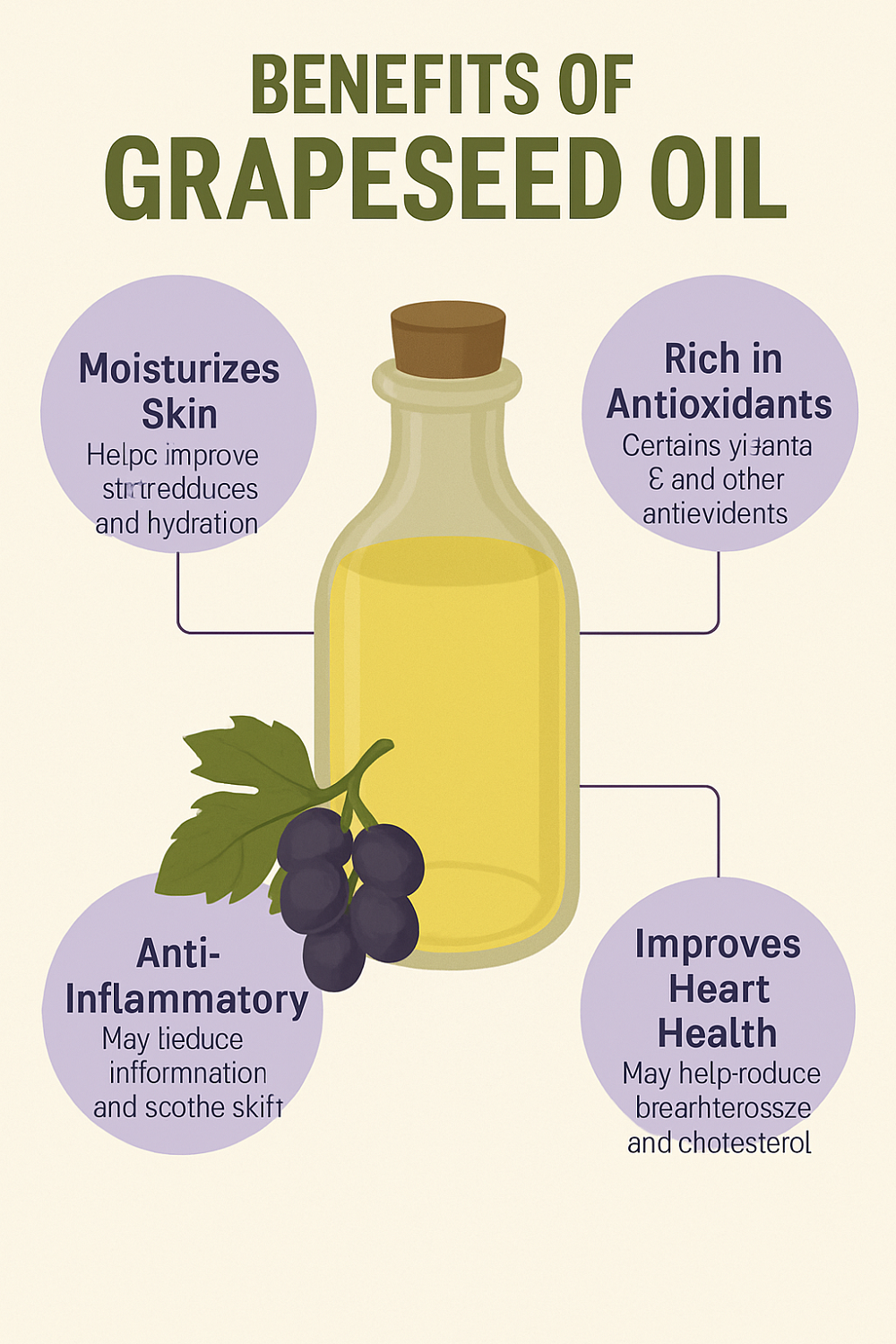
One of the most significant advantages of grapeseed oil is its light, non-greasy texture. Unlike coconut or olive oil grapeseed oil is quickly absorbed by the skin, delivering moisture without leaving a slick residue. Its high concentration of linoleic acid helps fortify the skin barrier, retain hydration, and maintain softness. This makes it a perfect choice for all skin types, especially for those with oily or acne-prone skin.
Fights Acne and Reduces Breakouts
Linoleic acid deficiency is often linked to acne and clogged pores. Grapeseed oil is rich in this essential fatty acid, which helps thin the skin’s natural sebum, reducing the chances of pore blockages. Additionally, its anti-inflammatory and antimicrobial properties help calm existing acne and prevent future breakouts. Regular use can lead to clearer skin and a more even tone.
Powerful Antioxidant Protection
Grapeseed oil is loaded with vitamin E and polyphenols, which help neutralize free radicals that damage collagen and elastin, the proteins that keep your skin youthful. These antioxidants also defend against environmental aggressors like UV rays, pollution, and stress. Long-term use of grapeseed oil may help reduce fine lines, wrinkles, and age spots.
Brightens Skin and Fades Scars
Because it promotes skin regeneration grapeseed oil can help fade acne scars, hyperpigmentation, and sun damage over time. The vitamin E content assists in cellular turnover, which means newer, healthier skin surfaces more frequently. Some users also notice a brighter, more radiant complexion after consistent use.
Tightens and Firms the Skin
The astringent properties of grapeseed oil help tighten the skin and reduce the appearance of large pores. It’s particularly useful for aging or sagging skin, as it promotes elasticity and prevents the breakdown of collagen structures.
Benefits of Grapeseed Oil for Hair and Scalp
Promotes Hair Growth
Grapeseed oil contains proanthocyanidins, which stimulate hair follicles and promote healthy growth. Its lightweight texture allows it to penetrate the scalp easily without causing buildup. Regular scalp massages with grapeseed oil can enhance blood circulation and encourage stronger, faster hair growth.
Moisturizes the Scalp and Reduces Dandruff
Dryness and flakiness are among the most common scalp issues, often leading to dandruff. Grapeseed oil provides deep hydration and helps reduce inflammation and irritation of the scalp. When applied regularly, it helps balance oil production, soothe itchiness, and prevent flaking.
Strengthens Hair Strands
The linoleic acid in grapeseed oil coats the hair shaft, locking in moisture and preventing protein loss. This not only makes the hair shinier but also more resilient to breakage and heat damage. It’s especially useful as a pre-shampoo treatment or leave-in conditioner for brittle or chemically treated hair.
Frizz Control and Shine Enhancement
Because it’s non-greasy and easily absorbed, grapeseed oil is perfect for taming frizz, smoothing flyaways, and adding a healthy shine. A few drops rubbed between your palms and smoothed over dry hair can instantly enhance your style without making your hair greasy.
Internal Health Benefits of Grapeseed Oil
Supports Heart Health
Grapeseed oil is high in monounsaturated and polyunsaturated fats, which are known to lower LDL (bad cholesterol) and increase HDL (good cholesterol). Its low saturated fat content makes it a heart-healthy alternative to butter or shortening. Additionally, its antioxidants may reduce arterial inflammation, lowering the risk of heart disease and stroke.
Improves Blood Circulation
The proanthocyanidins in grapeseed oil help strengthen blood vessels and improve circulation. This is particularly beneficial for people with varicose veins, chronic venous insufficiency, or swelling of the legs. Some evidence also suggests that it may support healthy blood pressure levels.
Boosts Immunity and Fights Free Radicals
Vitamin E, flavonoids, and polyphenols all contribute to enhanced immune defense by protecting cells from oxidative damage. Regular consumption of cold-pressed grapeseed oil in small quantities can help improve overall immunity and prevent premature aging at the cellular level.
Supports Brain Function and Cognitive Health
Essential fatty acids in grapeseed oil are crucial for brain function. These fats support neural development, memory retention, and mood regulation. Some researchers believe that consistent intake of these fats may lower the risk of neurodegenerative diseases like Alzheimer’s over time.