
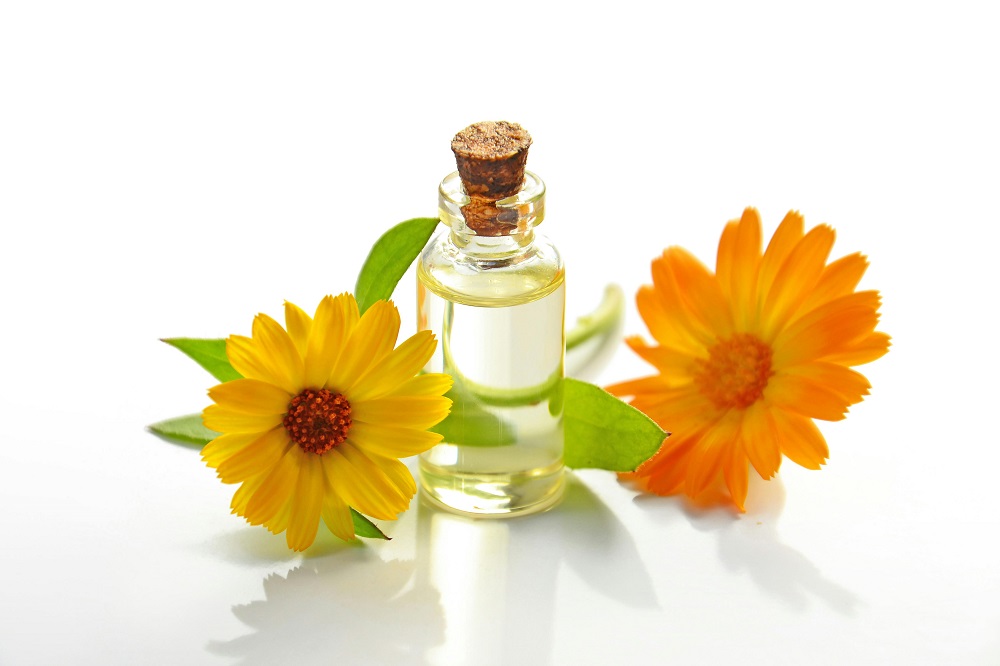
In a world increasingly shifting toward natural skincare and health-conscious lifestyles, few ingredients have made as significant an impact as jojoba oil. Extracted from the seeds of the jojoba plant Simmondsia chinensis, which thrives in the arid regions of the southwestern United States and northern Mexico, jojoba oil is often dubbed “liquid gold” for good reason.
Unlike most plant-based oils, jojoba oil is technically a wax ester, closely resembling the natural sebum produced by human skin. This unique composition makes it one of the most versatile, stable, and beneficial oils in both cosmetic and industrial applications. With its long shelf life, non-comedogenic nature, and compatibility with various skin and hair types, jojoba oil has become a staple in the realms of skincare, haircare, and holistic health.
A Brief History of Jojoba Oil
The use of jojoba oil dates back centuries to Native American tribes, particularly the O’odham people in the Sonoran Desert. These communities utilized jojoba seeds to treat wounds, sores, and burns, recognizing the plant’s soothing and moisturizing properties.
With the banning of whale oil in the 1970s due to environmental concerns, jojoba oil emerged as a sustainable and effective alternative, especially because its molecular structure was strikingly similar to that of spermaceti oil derived from sperm whales. From that moment on, jojoba oil rapidly gained commercial traction, becoming a key ingredient in numerous personal care products.
The Science Behind Jojoba Oil
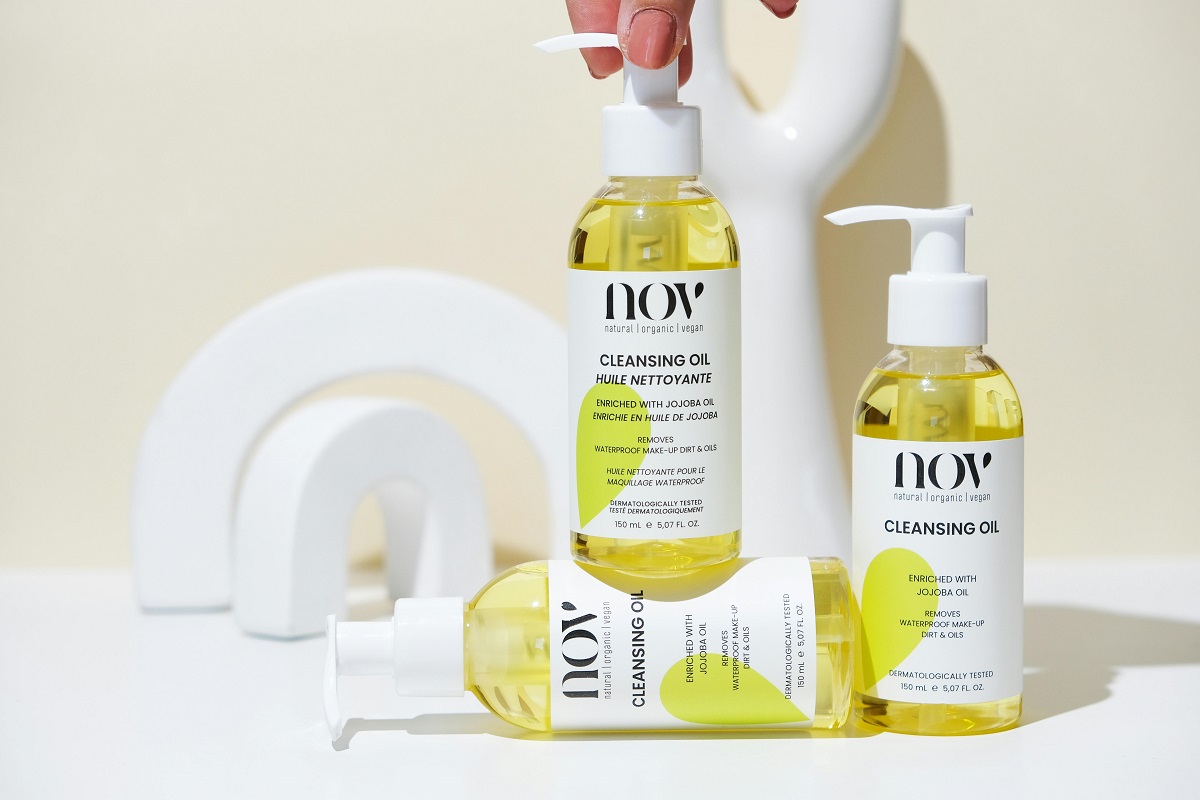
Jojoba oil stands apart due to its unique molecular structure. It is composed of long-chain monounsaturated esters, making it technically a wax rather than a traditional triglyceride-based oil. This structural similarity to human sebum allows it to penetrate the skin more effectively without clogging pores or causing irritation. It is naturally rich in vitamin E, B-complex vitamins, antioxidants, zinc, and iodine, all of which contribute to its remarkable skin-repairing and moisturizing capabilities. Additionally, its high oxidative stability prevents it from becoming rancid easily, making it ideal for formulations that demand a long shelf life without the use of harsh preservatives.
Extraction and Processing
Jojoba oil is typically extracted through cold pressing, a method that ensures the oil retains its full nutritional value and chemical integrity. After harvesting, the jojoba seeds are cleaned and pressed mechanically without the use of heat or solvents. The resulting oil is filtered to remove impurities, resulting in a golden-yellow liquid with a faint nutty aroma. For cosmetic purposes, the oil is sometimes refined to remove color and odor, yielding a clear version more suitable for fragrance-sensitive formulations. However, unrefined jojoba oil is generally preferred in organic and all-natural product lines for its purity and nutrient content.
Jojoba Oil for Skin
One of the most celebrated uses of jojoba oil is in skincare. Thanks to its emollient and non-comedogenic nature, it is suitable for all skin types, whether oily, dry, sensitive, or acne-prone. When applied topically, jojoba oil mimics the natural oils in our skin, signaling the sebaceous glands to regulate oil production more effectively. This balancing act is particularly beneficial for people dealing with acne, as it reduces the likelihood of pore blockages and inflammation.
Jojoba oil is also a potent moisturizer. It forms a breathable, protective barrier on the skin that locks in hydration without suffocating the pores. This is particularly valuable for individuals with eczema, psoriasis, or rosacea, where the skin’s moisture barrier is compromised. The high vitamin E content works as a natural antioxidant, fighting free radicals and reducing the appearance of fine lines, wrinkles, and age spots.
Moreover, jojoba oil is renowned for its anti-inflammatory and healing properties, making it ideal for soothing sunburns, razor burns, and minor wounds. Some studies even suggest that it may help with wound healing by promoting collagen synthesis and reducing oxidative stress at the injury site.
Jojoba Oil for Hair Nourishment from Root to Tip
Beyond skincare, jojoba oil shines as a powerful ally in haircare. Its ability to penetrate the hair shaft and follicle without leaving a greasy residue makes it an effective conditioner and scalp treatment. For individuals suffering from dandruff, dry scalp, or itchiness, jojoba oil offers soothing relief by moisturizing the scalp and balancing oil production.
It can also be used to strengthen hair strands, minimize breakage, and reduce split ends. Regular application of jojoba oil can enhance shine and elasticity, making it especially beneficial for those with chemically treated or heat-damaged hair. Some anecdotal evidence even suggests that it may support hair growth by unclogging hair follicles and improving overall scalp health, although more scientific research is needed in this area.
Jojoba Oil in Cosmetics and Personal Care Products
A glance at the ingredient list of many cosmetics and toiletries—lotions, lip balms, shampoos, conditioners, serums, and makeup removers—will reveal the ubiquity of jojoba oil. Its neutral scent, compatibility with essential oils, and non-allergenic profile make it a favored carrier oil in aromatherapy and natural product formulations. In makeup removers, jojoba oil gently dissolves even waterproof cosmetics while nourishing the skin. In lip care, it provides long-lasting hydration and protection from chapping. In anti-aging serums, it enhances the efficacy of other active ingredients like retinol and hyaluronic acid.
Medicinal and Therapeutic Applications
In addition to cosmetic uses, jojoba oil has found its way into various therapeutic and medicinal applications. Thanks to its antimicrobial and anti-inflammatory properties, it’s sometimes used in natural remedies for conditions such as athlete’s foot, cold sores, and fungal infections. The iodine content in jojoba oil gives it an added antiseptic boost, helping to neutralize harmful bacteria without disrupting the skin’s microbiome.
Moreover, jojoba oil is a popular base in massage therapy. Its excellent glide, slow absorption rate, and skin-softening effects make it a preferred choice for both therapeutic and relaxing massages. It also doesn’t stain sheets or towels easily, a practical bonus for professionals.
Jojoba Oil for Babies and Sensitive Skin
One of the standout qualities of jojoba oil is its hypoallergenic nature, making it exceptionally safe for babies and people with sensitive skin. It can be used as a natural baby oil, diaper rash treatment, or cradle cap remedy. Its chemical similarity to human sebum means it’s unlikely to trigger allergic reactions or disrupt the skin’s natural functions, providing gentle, non-irritating moisture where it’s most needed.
Environmental Sustainability and Ethical Considerations
Jojoba oil is also noteworthy from an environmental sustainability perspective. The jojoba plant is highly drought-resistant, requiring minimal water and thriving in arid regions unsuitable for many other crops. This makes it a low-impact agricultural option compared to water-intensive plants like almonds or avocados. Additionally, since jojoba oil is a plant-based alternative to animal-derived ingredients like lanolin and whale oil, it aligns well with vegan, cruelty-free, and eco-conscious lifestyles.
DIY Recipes Using Jojoba Oil
Jojoba oil’s versatility makes it an excellent ingredient in DIY beauty treatments. Here are a few ideas:
Facial Serum for Dry Skin: Mix 1 tablespoon jojoba oil with 3 drops of lavender essential oil and 2 drops of frankincense oil.
Hair Mask: Combine 2 tablespoons of jojoba oil with 1 tablespoon of coconut oil and apply to hair. Leave for 30 minutes before washing.
Makeup Remover: Use a few drops of jojoba oil on a cotton pad to gently wipe away makeup and impurities.
Lip Balm: Melt 1 tablespoon of beeswax, add 1 tablespoon jojoba oil, and a drop of peppermint oil for a cooling, hydrating balm.
Potential Side Effects and Precautions
Though generally safe, it’s advisable to conduct a patch test before using jojoba oil extensively, especially if you have allergies or sensitive skin. While rare, allergic reactions can occur. Also, while jojoba oil is safe for topical use, it should not be ingested, as it contains erucic acid, which may be harmful when consumed in large quantities.