
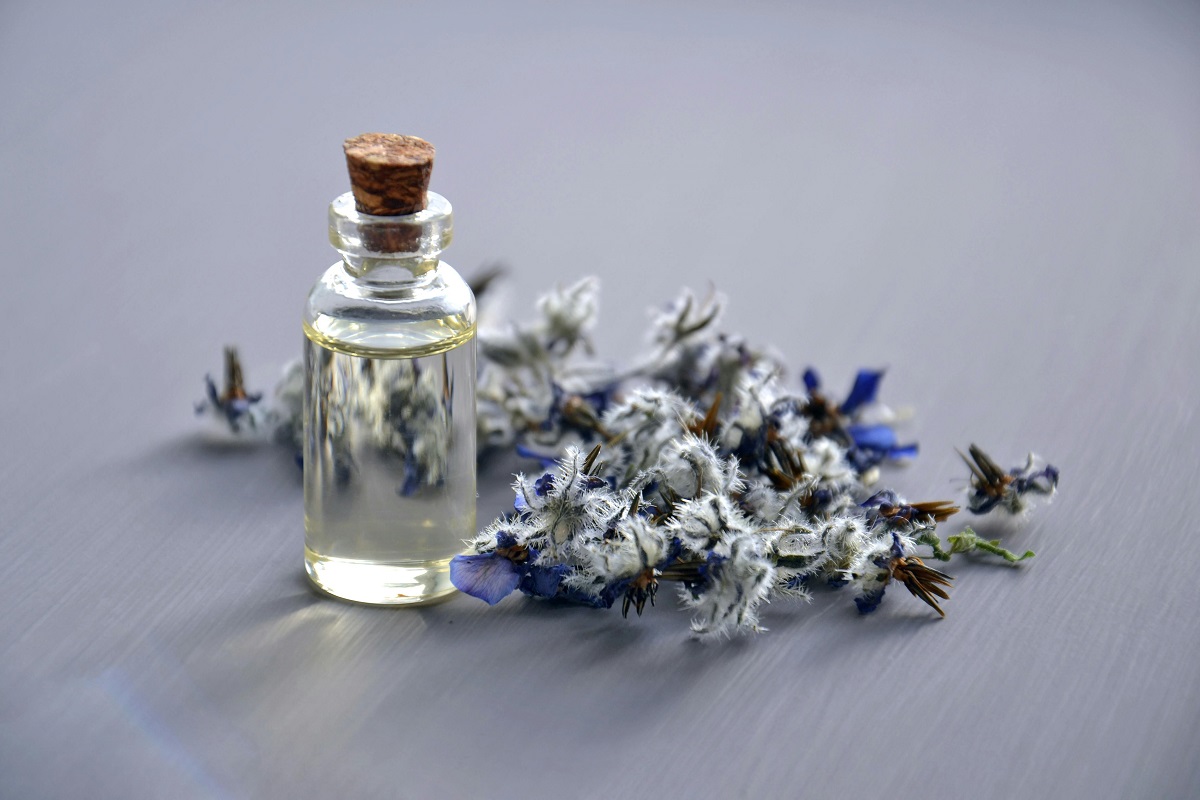
Lavender oil, known for its sweet floral aroma and calming effects, is among the most widely used and versatile essential oils in the world. Derived from the lavender plant Lavandula angustifolia, this potent oil has been revered for centuries, not only for its aromatic charm but also for its broad spectrum of therapeutic, cosmetic, and household uses.
From ancient Roman baths to modern aromatherapy clinics, lavender oil has retained its place as a holistic healer and emotional soother. Whether diffused into the air to relax the mind or applied topically to treat skin ailments, lavender oil embodies the gentle power of nature. As interest in plant-based wellness and natural remedies grows, lavender oil stands out as a time-tested elixir that continues to gain recognition in scientific, cosmetic, and personal care communities.
The History and Origin of Lavender Oil
The use of lavender dates back over 2,500 years, with ancient civilizations recognizing its soothing and purifying properties. The ancient Egyptians employed it during the mummification process, while the Greeks and Romans used it in their baths, perfumes, and medicines.
The word lavender originates from the Latin word lavare, meaning to wash highlighting its traditional role in cleansing rituals. In medieval Europe, lavender was strewn on floors to freshen homes and ward off insects and disease. Herbalists also recommended it to treat head lice, depression, and even plague. As trade routes expanded, so did the popularity of lavender oil, eventually becoming a staple in apothecaries, beauty cabinets, and spiritual practices worldwide.
How Lavender Oil is Made
Lavender essential oil is extracted primarily through a method known as steam distillation. After harvesting, the flowers are packed into a still, and steam is introduced. The heat causes the lavender buds to release their essential oils, which are then cooled and collected.
This process preserves the aromatic and therapeutic properties of the oil. There are over 45 species of lavender, but the most commonly distilled types for essential oil are Lavandula angustifolia (English lavender) and Lavandula x intermedia (lavandin), a hybrid that offers a stronger, more camphorous scent.
Types of Lavender Oil
Though many refer to lavender oil, generally, there are several distinct types, each with unique applications and aromatic profiles:
True Lavender (Lavandula angustifolia)
This is the most prized and gentle form, known for its sweet, floral aroma and calming effects. It is suitable for direct skin application and is used in aromatherapy, skincare, and medicine.
Lavandin (Lavandula x intermedia)
A cross between true lavender and spike lavender, lavandin has a sharper scent and a higher camphor content, making it more stimulating than relaxing. It is often used in soaps, detergents, and cleaning products.
Spike Lavender (Lavandula latifolia)
With its strong, medicinal aroma and high camphor content, spike lavender is more invigorating and has antiseptic properties. It’s used in respiratory blends and muscle rubs.
French Lavender
Typically, Lavandula dentata has a milder scent and is often used in perfumes and cosmetic formulations.
Chemical Composition and What Makes It Work
Lavender oil contains more than 150 active compounds, including linalool, linalyl acetate, camphor, cineole, and limonene. Linalool and linalyl acetate are particularly responsible for the oil’s calming, sedative, and anti-inflammatory properties.
Camphor gives some lavender oils their slight sharpness and contributes to antimicrobial activity. These natural compounds interact with the nervous system, skin, and olfactory receptors, making lavender oil effective across multiple systems of the body.
Therapeutic and Health Benefits of Lavender Oil
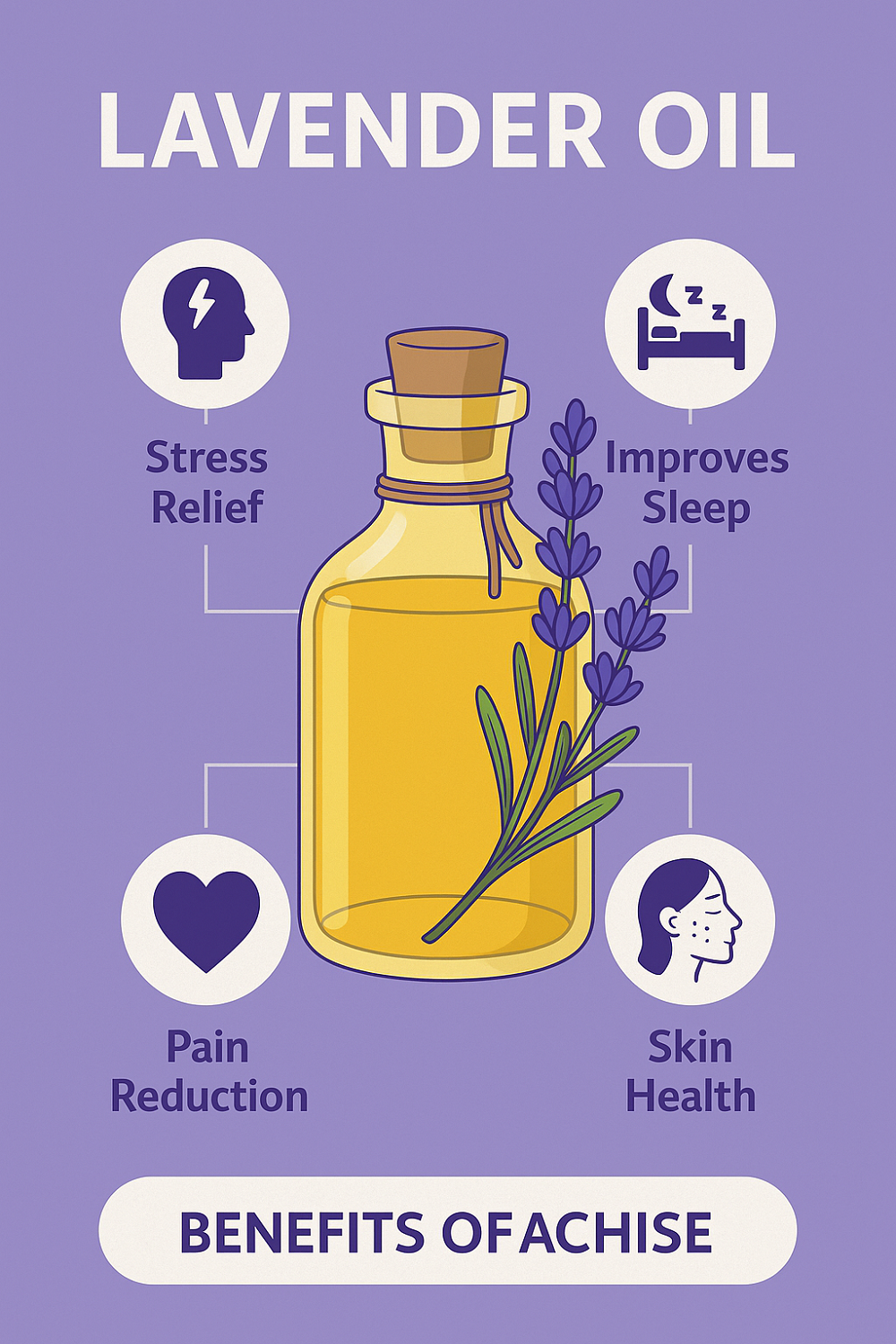
Lavender oil has been extensively studied for its potential benefits in various areas of health. It’s often used in aromatherapy, natural medicine, and clinical practices to address both mental and physical issues.
Stress Relief and Anxiety Reduction
One of the most documented uses of lavender oil is its ability to reduce anxiety and emotional tension. Inhaling the aroma can affect the limbic system, the brain’s emotional center, and reduce cortisol levels, the hormone responsible for stress. Studies have shown that lavender aromatherapy can lower heart rate, blood pressure and increase feelings of calmness, making it useful for those suffering from anxiety, panic attacks, or chronic stress.
Improved Sleep and Insomnia Treatment
Lavender oil is a natural sleep aid. Just a few drops on a pillow or diffused in the bedroom can improve sleep quality. Research shows that individuals exposed to lavender before bed fell asleep more quickly and experienced deeper, more restful sleep. This makes it an effective, non-addictive alternative to sleeping pills for those struggling with insomnia or disrupted sleep patterns.
Pain Management
Lavender oil’s analgesic and anti-inflammatory properties make it effective for pain relief. It has been used to alleviate headaches, menstrual cramps, muscle tension, joint pain, and post-surgical discomfort. Massage therapists often incorporate lavender oil into blends to soothe sore muscles and promote relaxation.
Antimicrobial and Antiseptic Effects
Lavender oil has natural antibacterial and antifungal properties, making it ideal for treating minor cuts, burns, and wounds. It helps speed up healing while reducing the risk of infection. It’s also effective against conditions like athlete’s foot, ringworm, and candidiasis.
Respiratory Health
Inhaling lavender oil or using it in steam therapy can help relieve respiratory conditions such as asthma, bronchitis, colds, and sinus congestion. Its soothing scent and antimicrobial components can open airways and ease breathing.
Skin Health and Acne Treatment
Lavender oil’s antibacterial and anti-inflammatory effects make it a go-to for acne treatment. It helps unclog pores, reduce redness, and kill acne-causing bacteria without drying out the skin. It also promotes wound healing, making it effective for eczema, psoriasis, insect bites, and sunburn.
Who Should Avoid Lavender Oil?
While lavender oil is safe for most, some groups should exercise caution:
Pregnant and breastfeeding women should consult a doctor before use.
Young boys should avoid excessive exposure, as there is some evidence suggesting lavender oil may disrupt hormones.
People with allergies to mint family plants may also be sensitive to lavender.
Always conduct a patch test before widespread use, especially if you have sensitive skin.