
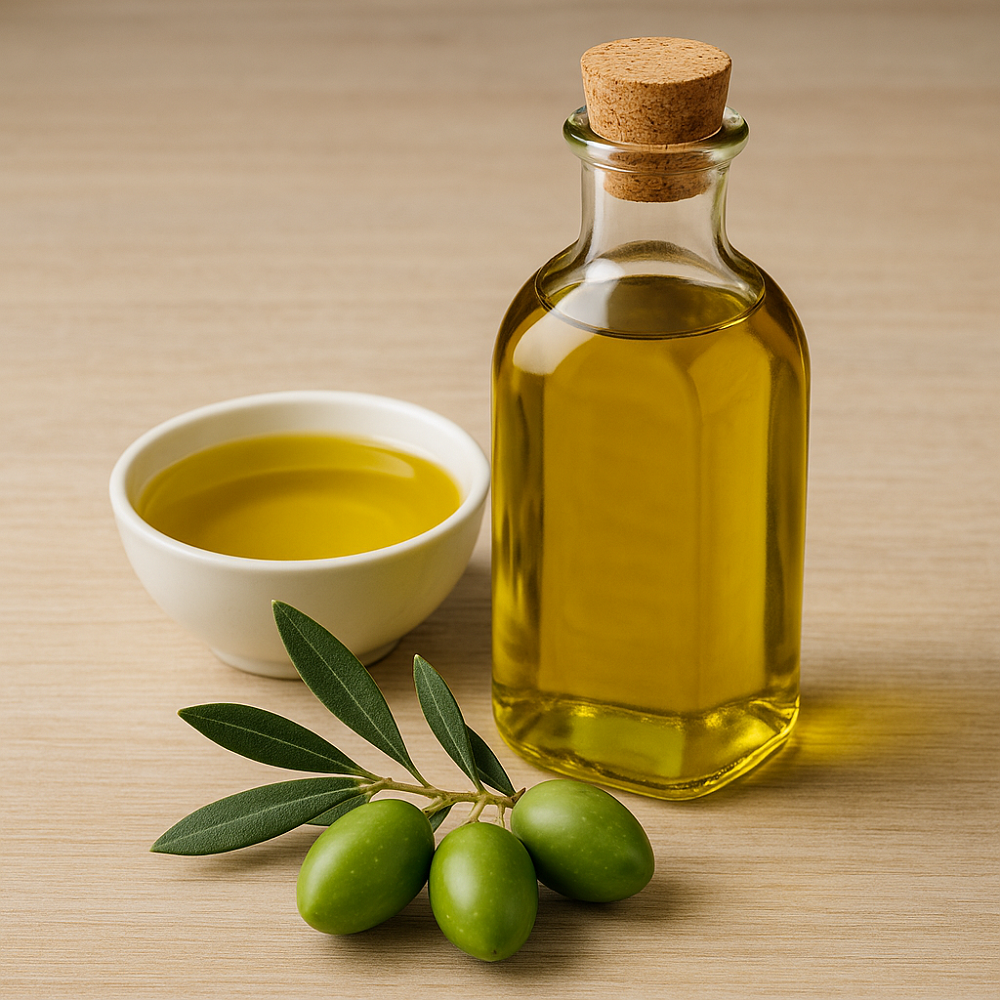
Olive oil, often hailed as “liquid gold,” is more than just a kitchen staple. With a history that dates back thousands of years, olive oil is revered not only for its rich, smooth flavor but also for its remarkable health benefits and cultural significance.
From ancient civilizations using it for rituals and medicine to modern kitchens valuing it as a superfood, olive oil has stood the test of time. In today’s world of wellness trends and natural living, olive oil remains a revered product both for consumption and for external use. But what makes olive oil so special? Why has it captured the admiration of doctors, chefs, and beauty experts alike?
The Ancient Roots of Olive Oil
Olive oil has its origins in the Mediterranean Basin, where the olive tree Olea europaea has been cultivated for over 6,000 years. The earliest evidence of olive oil production dates back to 4,000 BC in regions of modern-day Syria and Palestine. Over time, the cultivation spread to ancient Greece, Rome, and Egypt. In these ancient cultures, olive oil was more than a food product.
It was used in religious rituals, offered to gods, used as fuel in oil lamps, and employed in early cosmetics and skin treatments. Greek athletes would rub olive oil on their bodies to enhance their appearance and protect their skin. The Bible, Quran, and Talmud all mention olive oil, underscoring its spiritual and cultural importance.
Types of Olive Oil and Their Characteristics
Understanding olive oil requires knowing the various types available. Not all olive oils are the same, and quality depends heavily on processing and acidity levels.
Extra Virgin Olive Oil (EVOO)
This is the highest quality olive oil, made from pure, cold-pressed olives. Extra virgin olive oil has an acidity level of less than 0.8%, and it retains most of the olive’s natural flavor and nutrients. It is often characterized as fruity, peppery, and slightly bitter, which suggests the presence of healthy polyphenols.
Virgin Olive Oil
Slightly lower in quality than EVOO, virgin olive oil is also obtained from the first pressing but has a higher acidity level (up to 2%). It is still suitable for cooking and dressings, but may lack the complex flavor of extra virgin oil.
Refined Olive Oil
This is made by refining virgin olive oil to remove flaws or impurities. The process involves heat and chemicals, which strip away flavor and nutrients. It is often blended with a small amount of virgin or extra virgin oil to add some taste.
Pure Olive Oil
A misleading term, “pure” olive oil is a blend of refined olive oil and a bit of virgin or extra virgin oil. It’s not as healthy or flavorful as extra virgin olive oil, but it is often used for sautéing and high-heat cooking.
Olive Pomace Oil
This is the lowest grade and is made by extracting remaining oil from the olive pulp after the initial pressing. It’s heavily processed and not recommended for health-conscious use.
The Nutritional Power of Olive Oil
Olive oil is a powerhouse of nutrition. A tablespoon contains about 119 calories, mostly from heart-healthy monounsaturated fats, particularly oleic acid. These fats are known to reduce inflammation and lower bad LDL cholesterol while increasing good HDL cholesterol. Olive oil is also packed with antioxidants like vitamin E, polyphenols, and oleocanthal, a compound known for its anti-inflammatory effects.
Studies have linked regular consumption of olive oil with a reduced risk of stroke, heart disease, certain cancers, and Alzheimer’s disease. One famous study, the Predimed study highlighted the Mediterranean diet, rich in olive oil, as effective in reducing cardiovascular disease risk by over 30%.
Health Benefits of Olive Oil

The health benefits of olive oil are vast and scientifically supported. Here are some of the most impressive ways this oil enhances well-being:
Cardiovascular Health
Monounsaturated fats in olive oil help reduce LDL cholesterol and triglycerides, two major contributors to heart disease. The polyphenols further reduce arterial inflammation and prevent blood clots, promoting better circulation and heart function.
Anti-Inflammatory Properties
Oleocanthal in extra virgin olive oil mimics the effect of ibuprofen in the body, reducing inflammation without side effects. Chronic inflammation is at the root of many diseases, from arthritis to cancer, making olive oil a natural solution for long-term wellness.
Brain Health and Cognitive Function
Olive oil has been shown to protect against cognitive decline. Its antioxidant content supports brain health, reducing oxidative stress. Diets rich in olive oil are associated with a lower risk of Alzheimer’s and other neurodegenerative disorders.
Cancer Prevention
Antioxidants in olive oil neutralize free radicals that can lead to cancer. Some studies suggest that phenolic compounds in EVOO can inhibit cancer cell growth and reduce tumor size, especially in breast and colon cancers.
Weight Management
Contrary to fears about fats, olive oil can support weight loss. It promotes satiety and helps regulate blood sugar levels. People who follow a Mediterranean-style diet rich in olive oil tend to maintain healthier weights.
Skin and Hair Health
When used externally, olive oil is a natural moisturizer rich in vitamin E. It hydrates dry skin, soothes irritation, and can be used as a hair conditioner. It’s a common ingredient in lotions, shampoos, and soaps for its nourishing properties.
Culinary Uses of Olive Oil
Olive oil is a cornerstone of Mediterranean cuisine and is used in countless ways in the kitchen. It can be drizzled over salads, used as a dipping oil with bread, blended into sauces like pesto, or used to sauté vegetables and meats.
Raw Uses
Extra virgin olive oil shines when used raw over pasta, in vinaigrettes, or drizzled on grilled vegetables. Its bold flavor enhances dishes and adds a nutritional punch.
Cooking with Olive Oil
While some fear cooking with olive oil due to its smoke point (around 375–400°F), it is generally safe for most medium-heat cooking. For frying or baking at high temperatures, refined or pure olive oil is preferred, though extra virgin can still be used carefully.
Baking and Desserts
Believe it or not, olive oil can be used in baking to add moisture and a unique flavor. It pairs wonderfully with citrus and nuts, as in olive oil cake or biscotti.
Olive Oil in Beauty and Skincare
Beyond the kitchen, olive oil is a staple in natural beauty routines. It’s a gentle, non-comedogenic oil that works on most skin types.
Moisturizer: A few drops can hydrate dry skin, elbows, and cuticles.
Makeup remover: Olive oil effectively dissolves makeup while nourishing the skin.
Hair treatment: Warm olive oil applied to the scalp and hair can improve strength and shine.
Anti-aging: The antioxidants fight signs of aging like fine lines and sunspots.
Global Olive Oil Production
The world’s largest producers of olive oil are.
Spain: The global leader, especially in the Andalusia region.
Italy: Famous for its regional oils, including Tuscany and Puglia.
Greece: Known for bold, grassy oils rich in polyphenols.
Turkey, Tunisia, Morocco: Rising players in the olive oil scene.
Each country offers unique flavor profiles based on the local climate, soil, and olive variety.
Common Myths About Olive Oil
You can’t cook with olive oil.
False. You can cook with olive oil; just don’t overheat it. EVOO is safe for sautéing and baking.
All olive oils are the same.
Not true. The method of processing drastically affects quality, flavor, and health benefits.
If it’s green, it’s better.
Color doesn’t indicate quality. It’s more about the type of olives and harvest time.