
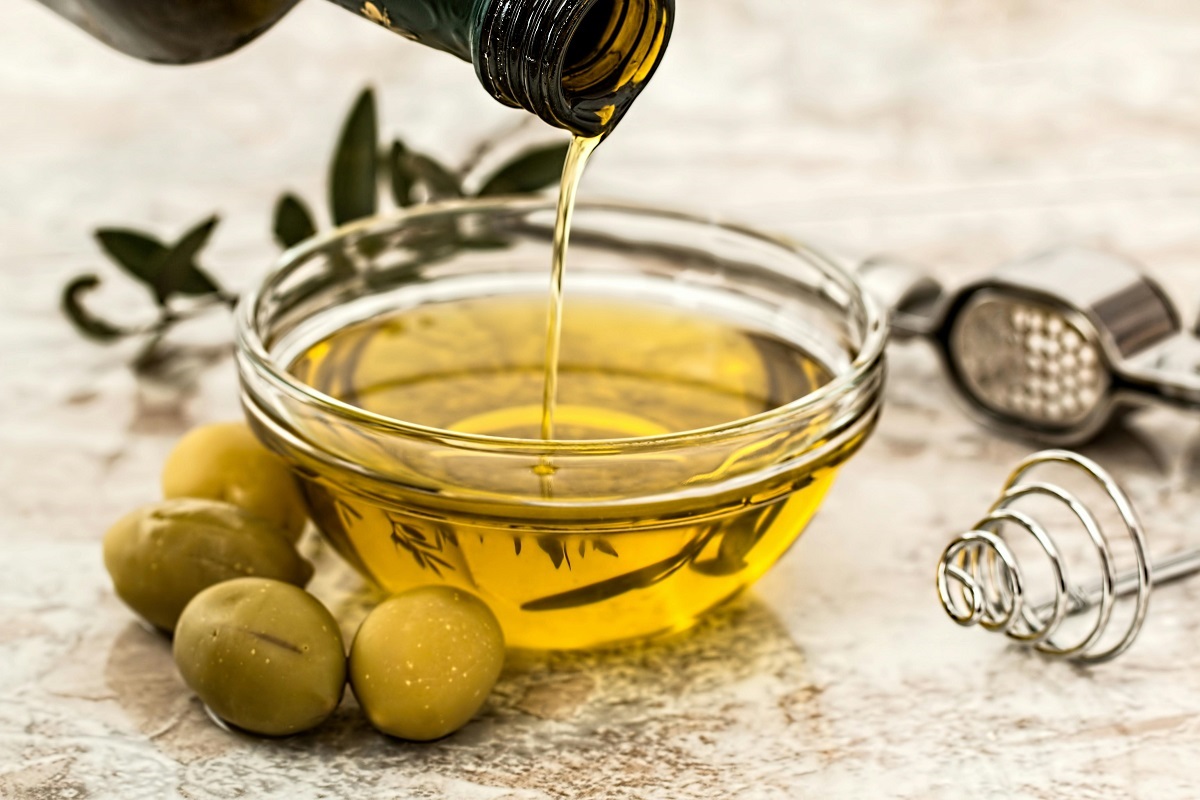
Few foods have earned as much reverence throughout history as olive oil. Often referred to as liquid gold olive oil is not just a cooking ingredient its a cultural icon a medicinal remedy, and a nutritional powerhouse. For thousands of years, it has been celebrated in Mediterranean civilizations, honored in sacred rituals, and cherished for its ability to elevate even the simplest of meals. Today while modern diets are often dominated by processed foods and refined oils olive oil remains a shining example of a pure wholesome fat that nourishes the body and pleases the palate. But beyond its culinary appeal lies a fascinating journey through history tradition agriculture and science.
we trace the origins of olive oil from ancient groves to modern kitchens, explore its remarkable health benefits backed by decades of research break down the different types and grades available and uncover its many uses both in cooking and in personal care. you see why olive oil is more than just an ingredient its a timeless staple that bridges the gap between delicious flavor and optimal health.
The History of Olive Oil
Olive oils story begins in the sun-soaked lands of the Mediterranean where the olive tree Olea europaea has been cultivated for over 6000 years. Archaeological evidence suggests that the earliest domesticated olive trees originated in regions that are now part of modern day Syria Lebanon and Israel. Ancient communities quickly learned how to press olives to extract their precious oil using primitive stone presses and clay jars to store it.
For the people of ancient Greece olive oil was far more than a food it was a sacred symbol of peace wisdom and prosperity. According to Greek mythology the goddess Athena gifted the city of Athens an olive tree which became a source of both sustenance and wealth for its citizens. Olive oil was also a vital part of the ancient Olympic Games where athletes would anoint their bodies with it before competing believing it would enhance strength and protect the skin.
The Egyptians valued olive oil for entirely different reasons. While their climate was ideal for olive cultivation they imported the oil for cosmetic and religious purposes. It was used to soften skin as a base for perfumes and even in the embalming process to preserve the bodies of pharaohs for the afterlife.
When the Roman Empire expanded it brought olive cultivation to every corner of its territory from North Africa to Spain Italy, and southern France. Olive oil became such an important trade commodity that it was used as currency in some regions. Romans categorized olive oil into different grades, much like we do today, reserving the finest for cooking and the lesser grades for lamp fuel or soap making.
Over the centuries olive oil production techniques improved but its cultural significance remained unchanged. In modern times, the Mediterranean region still dominates production with Spain Italy and Greece leading the way. However, olive groves now flourish in unexpected places like California Australia and South America ensuring that this ancient treasure continues to thrive in our modern world.
Nutritional Profile of Olive Oil
From a nutritional standpoint olive oil is a powerhouse of healthy fats and bioactive compounds. While it is calorie-dense providing roughly 120 calories per tablespoon these calories come primarily from heart healthy monounsaturated fats which have been shown to support cardiovascular health.
A single tablespoon of extra virgin olive oil contains
Calories120
Total Fat14g
Monounsaturated Fat 10g
Saturated Fat 2g
Polyunsaturated Fat 1.5g
Vitamin E 13% of the daily value
Vitamin K 7% of the daily value
But the magic of olive oil goes beyond its macronutrient composition. It is loaded with polyphenols plant-based antioxidants that help combat oxidative stress in the body. These include oleuropein hydroxytyrosol and oleocanthal each of which plays a role in reducing inflammation and protecting cells from damage. Olive oil also contains squalene a compound beneficial for skin health and phytosterols which may help lower cholesterol.
What sets olive oil apart from many other oils is that it is minimally processed. In the case of extra virgin olive oil EVOO the oil is extracted purely through mechanical means without the use of heat or chemical solvents. This preserves the delicate flavor and retains the full spectrum of antioxidants vitamins and beneficial plant compounds.
Types of Olive Oil
Not all olive oils are created equal and understanding the differences is essential if you want to get the best health benefits and flavor.
Extra Virgin Olive Oil EVOO
EVOO is the highest grade of olive oil extracted from fresh olives without the use of heat or chemicals. It has the lowest acidity less than 0.8% and retains the most antioxidants and flavor compounds. This is the oil you want for drizzling over salads, dipping bread or finishing cooked dishes.
Virgin Olive Oil
Similar to EVOO but with a slightly higher acidity level up to 2%. It is still obtained through mechanical pressing and offers good flavor and health benefits though it may be a bit less vibrant in taste.
Refined Olive Oil
When lower quality olive oils are refined they lose much of their flavor and antioxidant content. Refined olive oil is often blended with small amounts of virgin oil to improve taste. It has a higher smoke point and is better suited for frying.
Olive Pomace Oil
Extracted from the leftover olive pulp after the first press pomace oil requires chemical solvents and high heat. While its inexpensive and good for high temperature cooking it lacks the robust health properties of EVOO.
Health Benefits of Olive Oil
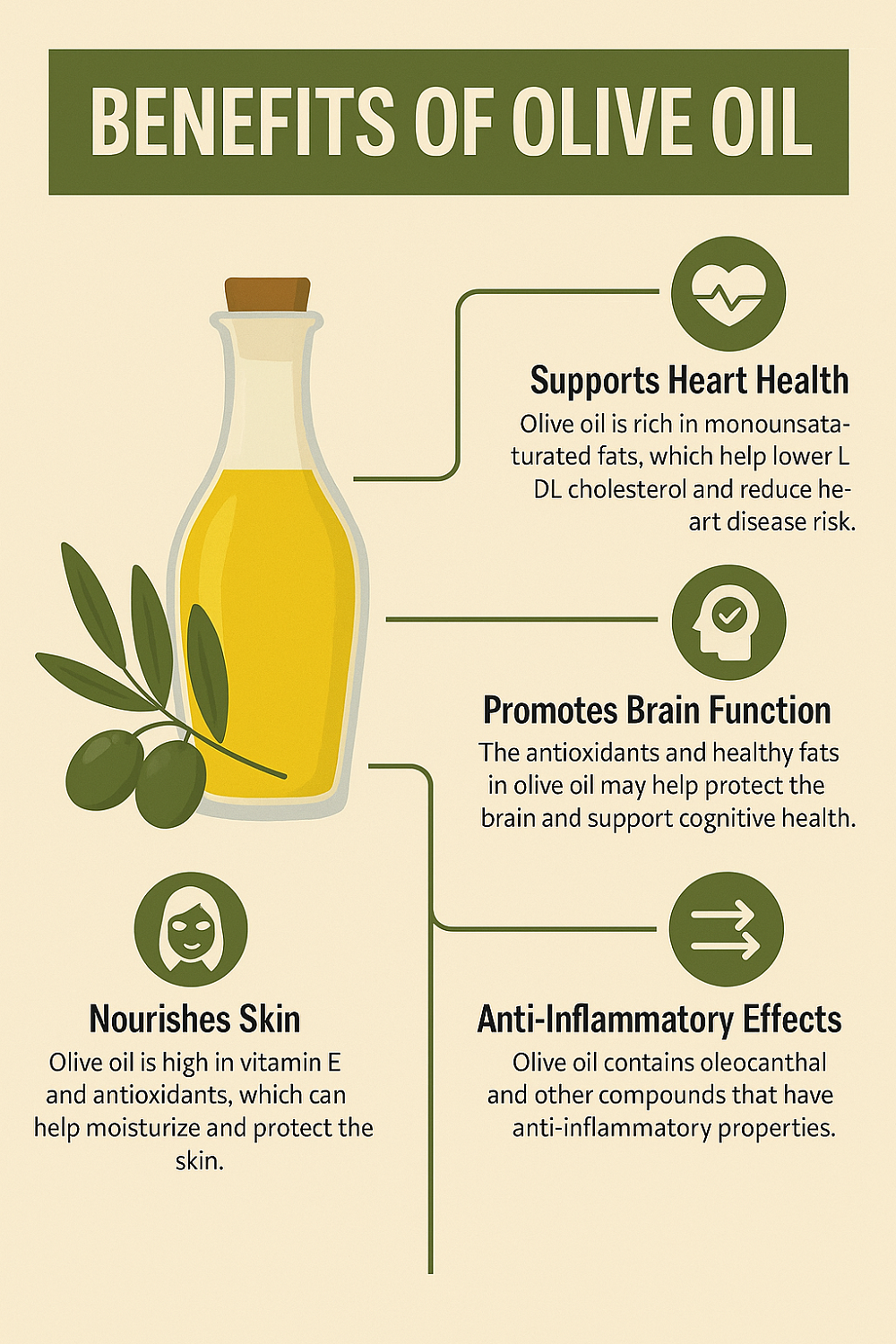
Olive oil is one of the most well researched foods in nutrition science. Its benefits span multiple aspects of health from heart protection to brain support.
Heart Health
The Mediterranean diet rich in olive oil has been shown to lower rates of cardiovascular disease. Olive oil helps reduce LDL cholesterol raise HDL cholesterol and improve the flexibility of blood vessels. The landmark PREDIMED study found that a Mediterranean diet supplemented with EVOO reduced major cardiovascular events by 30% compared to a low fat diet.
Anti inflammatory Effects
Chronic inflammation is a driver of many modern diseases including arthritis diabetes and certain cancers. Olive oil contains oleocanthal which has anti inflammatory effects similar to ibuprofen helping to reduce inflammation naturally.
Brain Protection
The healthy fats in olive oil help maintain the integrity of brain cell membranes and may reduce the risk of Alzheimers disease by combating oxidative damage in the brain.
Diabetes Management
Olive oil improves insulin sensitivity and may help stabilize blood sugar levels making it a valuable addition to diets for people at risk of type 2 diabetes.
Cancer Prevention
Polyphenols in olive oil have antioxidant properties that may protect DNA from damage and reduce the growth of cancer cells. While more research is needed early studies are promising.
Culinary Uses of Olive Oil
One of olive oils greatest strengths is its versatility in the kitchen.
Cold Uses EVOO is ideal for salad dressings drizzling over roasted vegetables finishing soups, or dipping with bread.
Cooking Despite misconceptions EVOO can be used for sautéing and even baking as its smoke point is suitable for most home cooking methods.
Frying For deep frying refined olive oil or blends are preferred due to their higher smoke points.
Olive Oil in Skincare and Haircare
Olive oil is as beneficial outside the body as it is inside. Rich in vitamin E and squalene it hydrates the skin softens rough patches and can be used as a gentle makeup remover. As a hair treatment it helps control frizz repair split ends and restore shine. Many natural beauty products use olive oil as a base ingredient due to its nourishing properties.
How to Choose and Store Olive Oil
To get the best quality
Choose dark glass bottles to protect from light.
Look for harvest dates and aim for oils less than a year old.
Buy from reputable producers.
Store in a cool dark cupboard away from heat sources.