
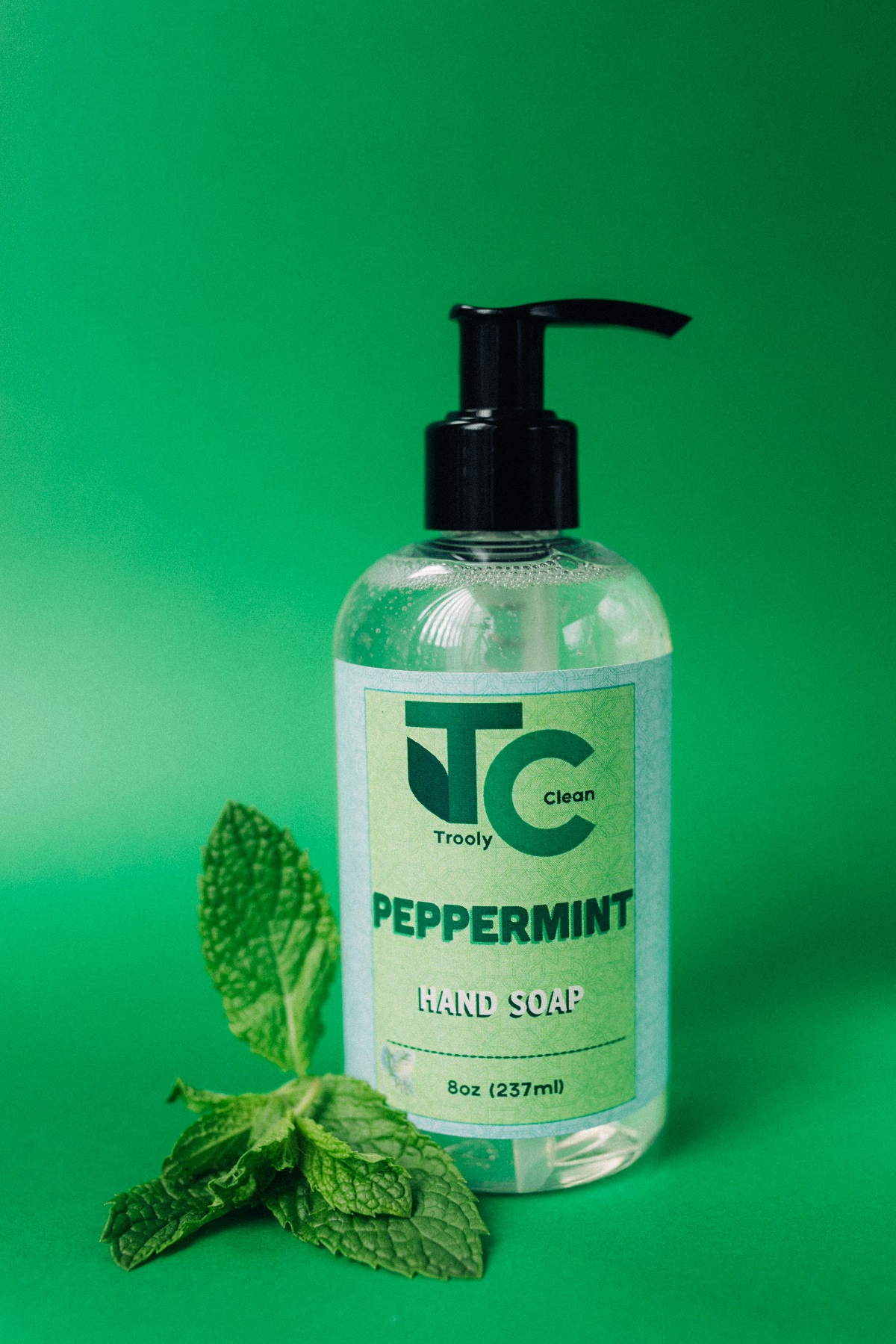
In the expansive world of essential oils, few stand out as prominently as peppermint oil. Derived from the peppermint plant Mentha × piperita, a hybrid of watermint and spearmint, this potent extract has been cherished for centuries for its sharp, refreshing aroma and its remarkable range of therapeutic uses.
From ancient civilizations in Egypt and Greece to modern-day alternative medicine, peppermint oil has remained a staple for health, beauty, and home care. But what exactly makes this oil so powerful? Why is it used in everything from toothpaste and shampoos to headache balms and digestive supplements? In this comprehensive guide, we will explore the origins, chemical composition, uses, benefits, risks, and modern applications of peppermint oil, showcasing why it deserves a spot in every household.
A Historical Perspective on Peppermint Oil
Peppermint has been used in traditional healing systems for thousands of years. Historical records show that the Egyptians used peppermint in burial rituals as early as 1000 B.C., while ancient Greek and Roman physicians praised it for its digestive and respiratory benefits. Hippocrates and Pliny the Elder both wrote about peppermint’s value in calming the stomach and refreshing the senses. By the 18th century, peppermint oil had become a regular feature in British pharmacopeias and began to spread across Europe and North America as a natural remedy for colds, indigestion, and pain.
Today, peppermint oil is cultivated and produced globally, with major producers including the United States, India, and China. It is extracted through steam distillation of the plant’s leaves and flowering tops, yielding a colorless to pale yellow liquid with a strong, cooling scent. Its primary active compounds—menthol and menthone—are responsible for its intense aroma and many of its healing effects.
Chemical Composition

The efficacy of peppermint oil lies in its rich chemical makeup. The most abundant and therapeutically relevant compounds include:
Menthol is A cooling agent that soothes and anesthetizes tissues; it’s the key ingredient in most topical pain relief products and mint-flavored items.
Menthone offers analgesic, antimicrobial, and anti-inflammatory properties.
1,8-Cineole Eucalyptol compound with respiratory benefits that support decongestion and antimicrobial action.
Limonene A terpene with antioxidant and anti-stress effects.
Carvone aids in digestion and supports gut health.
Beta-pinene and Alpha-pinene Help in inflammation control and immune support.
Together, these components make peppermint oil a multipurpose essential oil with antibacterial, antiviral, antifungal, anti-inflammatory, antispasmodic, analgesic, and decongestant qualities.
Therapeutic Benefits of Peppermint Oil
Natural Relief from Headaches and Migraines
One of the most celebrated uses of peppermint oil is its ability to ease tension headaches and migraines. When applied topically to the forehead or temples, the menthol in peppermint oil provides a cooling sensation that reduces muscle tension, enhances blood flow, and acts as a mild analgesic. Clinical studies have shown that peppermint oil is as effective as over-the-counter headache medications in many cases, without the risk of side effects like liver strain or dependency.
Digestive Support and Anti-Nausea Effects
Peppermint oil is widely recognized for its digestive benefits. It helps to relax the gastrointestinal muscles, allowing gas to pass more easily and alleviating symptoms of bloating, gas, indigestion, and stomach cramps. Enteric-coated peppermint oil capsules are often used to treat Irritable Bowel Syndrome (IBS), a chronic gastrointestinal disorder. The oil reduces spasms in the colon, thereby decreasing abdominal pain and improving bowel regularity. Additionally, peppermint oil can ease nausea and motion sickness, making it ideal during travel or pregnancy (with proper medical guidance).
Respiratory Relief and Decongestion
The invigorating aroma of peppermint oil is a natural decongestant. It works by clearing sinuses, opening airways, and loosening mucus, which makes it an excellent remedy for colds, allergies, asthma, bronchitis, and sinusitis. The menthol content stimulates cold-sensitive receptors in the nasal passages, which tricks the brain into feeling as though airflow has improved, even if actual airflow remains unchanged. Whether inhaled through steam, applied to the chest in a carrier oil, or added to a diffuser, peppermint oil delivers fast, natural respiratory support.
Pain and Muscle Tension Relief
Peppermint oil’s anti-inflammatory and analgesic properties make it a go-to treatment for muscle soreness, joint pain, backaches, and even arthritis. Its cooling effect can soothe tired muscles and reduce inflammation following workouts or physical labor. When used in combination with other oils like eucalyptus or lavender, it forms a highly effective massage blend for sports injuries, nerve pain, and fibromyalgia symptoms.
Energy, Focus, and Mental Clarity
Peppermint oil isn’t just for the body it also stimulates the mind. The scent of peppermint has been shown to improve alertness, focus, memory, and cognitive performance. A few drops diffused in your workspace or inhaled directly from the bottle can increase motivation, reduce mental fatigue, and provide a natural pick-me-up during long hours of work or study. Its invigorating effect is a great alternative to caffeine for those looking to stay sharp without stimulants.
Skincare and Beauty Applications
Peppermint oil offers more than just a refreshing scent it can be a game-changer in your skincare and beauty routine. Due to its antiseptic, antibacterial, and cooling qualities, it is ideal for acne-prone or oily skin. It can help control sebum production, reduce inflammation, and prevent bacterial growth that leads to breakouts. The menthol provides a tingly, invigorating sensation, making it a popular ingredient in facial cleansers, scrubs, toners, and masks.
When applied (diluted) to the scalp, peppermint oil promotes hair growth by stimulating circulation to hair follicles. This increased blood flow may help in preventing hair loss and supporting healthier, stronger hair. Moreover, it soothes itchy, flaky scalp and treats dandruff when mixed with shampoos or conditioners.
Oral Health and Fresh Breath
Peppermint oil is a cornerstone of dental hygiene products because of its antibacterial properties and breath-freshening effects. It helps to kill harmful bacteria in the mouth, reducing the risk of gum disease, tooth decay, and oral infections. Its refreshing aroma and taste make it a popular flavoring agent in toothpaste, mouthwash, and floss. For natural mouth care, a few drops of peppermint oil in water can be used as a homemade mouth rinse that’s both effective and toxin-free.
Household Uses and Natural Cleaning
Peppermint oil’s antimicrobial properties make it useful as a natural household cleaner and insect repellent. It can be added to DIY cleaning solutions to disinfect countertops, sanitize bathrooms, and deodorize trash cans. The strong menthol scent also works as a deterrent for ants, spiders, mice, and cockroaches, making it a non-toxic alternative to chemical pesticides. Simply placing a few drops on cotton balls and positioning them near windows, doors, and corners can help keep pests at bay.
Aromatherapy and Emotional Balance
In aromatherapy, peppermint oil is classified as a stimulating oil that helps uplift the mood and dispel negativity. It has been used to reduce feelings of anxiety, sadness, irritability, and even symptoms of depression. Its crisp, clean aroma evokes a sense of clarity and lightness that makes it ideal for emotional cleansing. Whether diffused during meditation, added to a bath, or blended with other essential oils, peppermint oil has the power to reset both mind and spirit.
How to Use Peppermint Oil Safely
While peppermint oil offers a wealth of benefits, it is extremely concentrated and must be used with care. Always dilute peppermint oil with a carrier oil such as coconut, jojoba, or almond oil before applying it to the skin. For most topical applications, a 1–2% dilution is sufficient (that’s about 6–12 drops per ounce of carrier oil).
For aromatherapy, 3–5 drops in a diffuser are usually enough to scent a room. If ingesting peppermint oil, such as in capsules for IBS, it should be enteric-coated and prescribed or approved by a healthcare provider, as internal use of essential oils can be risky when done improperly.
Avoid contact with eyes, mucous membranes, and sensitive areas. Never use peppermint oil undiluted on children or infants, as the strong menthol can cause breathing issues. Pregnant or breastfeeding individuals should consult a doctor before using peppermint oil in any form.
Potential Side Effects and Contraindications
Though generally safe, peppermint oil can cause skin irritation, allergic reactions, and digestive upset in some individuals. Common side effects include burning, rashes, or redness when applied undiluted. Inhaling too much peppermint oil may lead to dizziness or nausea. People with gallbladder problems, GERD, or those taking certain medications (such as antacids or blood pressure meds) should exercise caution, as peppermint oil can interfere with drug absorption and exacerbate symptoms.
Always perform a patch test before using peppermint oil topically, and keep essential oils out of reach of children and pets.
Choosing the Best Quality Peppermint Oil
Not all peppermint oils are created equal. When buying peppermint essential oil, look for the following criteria to ensure quality and safety:
100% Pure and Therapeutic Grade. Avoid synthetic fragrances or oils diluted with carrier oils unless specified.
Steam-distilled. This method preserves the potency and integrity of the oil.
Organic or Wild-Harvested Minimizes exposure to pesticides or contaminants.
Dark Glass Bottles Protect the oil from light degradation.
Latin Name Labeling Mentha × piperita ensures the authenticity of the species.
Brands should offer GC/MS test results to verify chemical composition and purity. Investing in a high-quality oil guarantees more effective and safer results.