
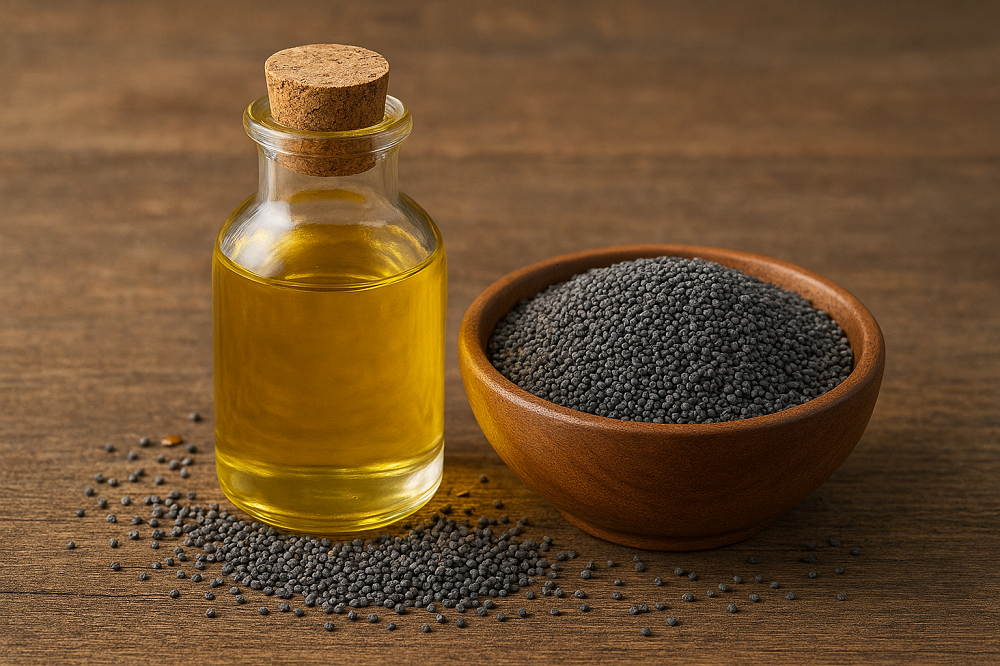
Poppy seed oil extracted from the seeds of the opium poppy Papaver somniferum is a nutrient-rich oil that has been valued for centuries in culinary medicinal and cosmetic traditions. Unlike other plant oils that are primarily used for either food or industry, poppy seed oil holds a unique dual role bridging the gap between health and nourishment on one side and artistry and craftsmanship on the other. It is a mild golden-yellow oil with a light, nutty flavor making it a delightful addition to cooking baking, and salad dressings. Beyond the kitchen its nutritional composition has earned it recognition as a natural source of essential fatty acids vitamins and minerals that support heart health bone strength and skin vitality.
What makes poppy seed oil even more remarkable is its historical and cultural significance. Ancient civilizations recognized the value of poppy seeds not just as a food ingredient but also as a source of medicine and oil. Today modern science continues to affirm many of the traditional claims highlighting its contributions to cardiovascular wellness brain function and even skincare.
History and Origin of Poppy Seed Oil
The cultivation of poppy plants dates back thousands of years with their origins traced to the Mediterranean and Middle Eastern regions. Historical records suggest that the ancient Sumerians Egyptians and Greeks cultivated poppy seeds for both culinary and medicinal purposes. The oil extracted from these seeds was often used in cooking as a soothing balm and in religious ceremonies.
The Greeks and Romans valued poppy seeds for their ability to promote relaxation and sleep. Physicians in ancient Greece prescribed preparations made from poppy seeds for digestive issues skin ailments and as a gentle sedative. In medieval Europe poppy seed oil gained prominence not only as a food oil but also as an ingredient in paints and varnishes due to its quick-drying properties. Artists of the Renaissance often favored poppy seed oil as a medium for oil painting because it yellowed less over time compared to linseed oil.
Over centuries the oil retained its importance in multiple fields culinary medicinal artistic and industrial making it a versatile product that continues to be used globally. Today poppy seed oil remains a part of traditional European and Asian cuisines while also serving roles in natural health care and cosmetic industries.
Extraction Process of Poppy Seed Oil
Poppy seed oil is typically obtained through one of two main processes
Cold-Pressed Extraction
This is the most common method for food-grade poppy seed oil. In this process seeds are mechanically pressed at low temperatures to preserve their nutritional quality aroma and light flavor. The result is a mild golden oil ideal for culinary and medicinal use.
Solvent Extraction
This method uses solvents to extract a higher yield of oil often intended for industrial purposes such as paint or varnish production. Solvent extracted oils are not suitable for human consumption as they may lose valuable nutrients and contain chemical residues.
The choice of extraction method significantly affects the oil’s properties. Cold-pressed poppy seed oil though more expensive is the superior option for nutrition and health benefits. Like other delicate oils it must be stored in a cool dark place to prevent oxidation and maintain freshness.
Nutritional Composition of Poppy Seed Oil
Poppy seed oil is nutritionally dense offering a balanced profile of essential fatty acids vitamins and minerals. This makes it both a functional food and a therapeutic oil.
Key Nutritional Components per 100g
Calories 884 kcal
Total Fat 100 g
Saturated Fat 10 12%
Monounsaturated Fat 18 20%
Polyunsaturated Fat 68 72%
Omega-6 Fatty Acids Linoleic acid 60–65%
Omega-9 Fatty Acids Oleic acid 18–20%
Omega-3 Fatty Acids Alpha-linolenic acid Trace amounts
Vitamin E Present in moderate amounts antioxidant properties
Minerals Zinc magnesium and calcium in trace quantities
The high concentration of polyunsaturated fatty acids, particularly linoleic acid makes poppy seed oil a heart-friendly option. It supports cholesterol balance reduces inflammation and promotes overall cardiovascular wellness. Its vitamin E content also contributes to skin and immune health by protecting cells from oxidative damage.
Health Benefits of Poppy Seed Oil
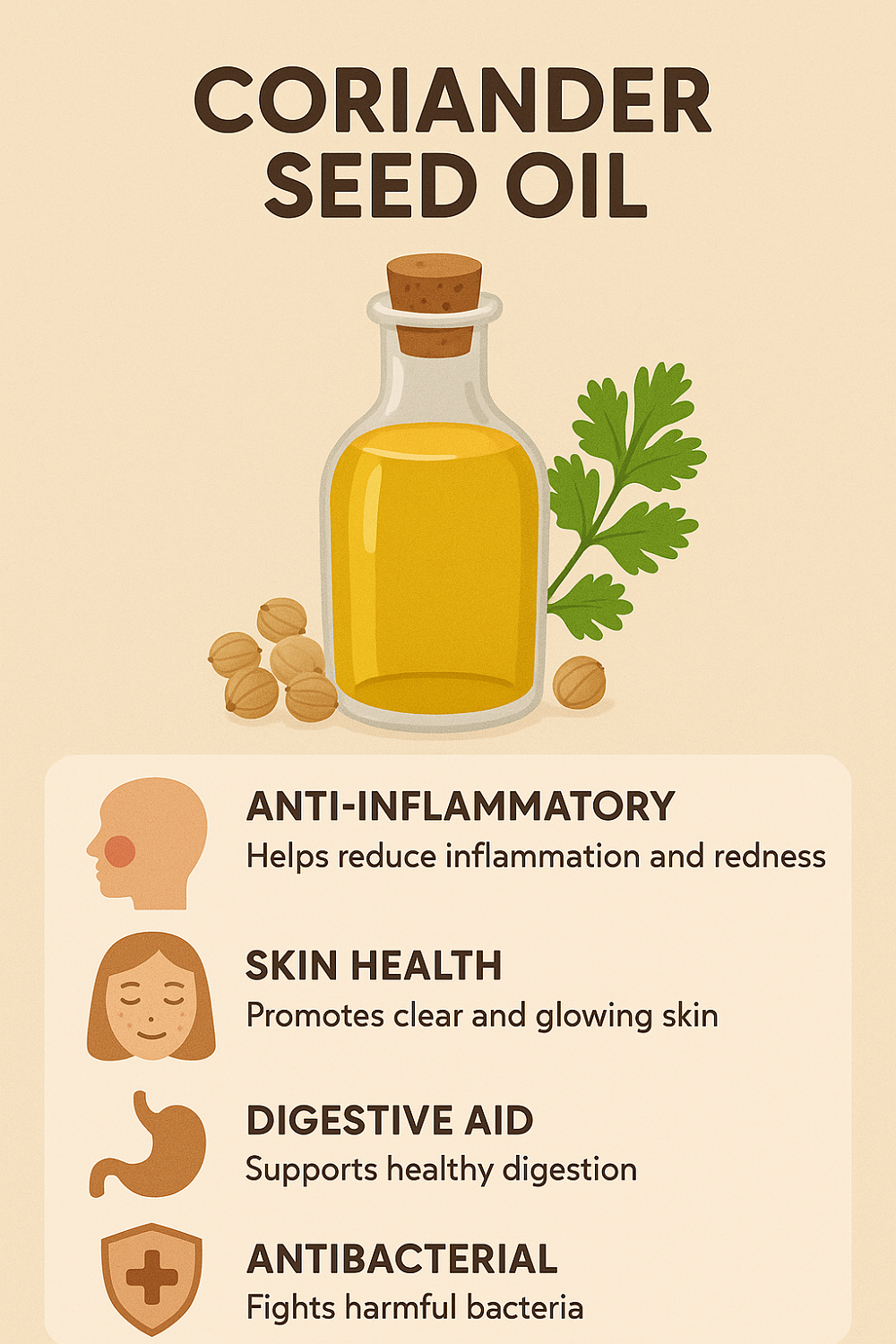
Promotes Cardiovascular Health
Poppy seed oil is rich in linoleic acid an essential omega-6 fatty acid that plays a role in maintaining healthy cholesterol levels. By reducing LDL bad cholesterol and supporting HDL good cholesterol it contributes to better circulation and lowers the risk of atherosclerosis heart attack and stroke. Regular consumption of moderate amounts of poppy seed oil as part of a balanced diet can therefore support long-term cardiovascular health.
Supports Bone and Joint Health
Poppy seed oil contains trace minerals like calcium, magnesium, and zinc, which contribute to bone density and strength. Its anti-inflammatory properties also make it useful for easing joint pain and stiffness, particularly in individuals with arthritis or other inflammatory conditions.
Boosts Skin and Hair Health
With its light texture and high vitamin E content, poppy seed oil is excellent for skin nourishment. Applied topically, it moisturizes dry skin, reduces irritation, and helps maintain elasticity. It is also known for soothing conditions like eczema and psoriasis. For hair, poppy seed oil can be massaged into the scalp to stimulate circulation, reduce dandruff, and promote stronger, shinier strands.
Enhances Mental Well-being
Poppy seed oil is a natural relaxant, historically used to promote calmness and better sleep. While it does not contain opiates like morphine or codeine these are removed during seed processing its rich composition of fatty acids supports brain function and may reduce symptoms of anxiety and stress. Some studies suggest that regular consumption may also enhance memory and cognitive performance.
Supports Digestive Function
Traditionally, poppy seed oil has been used to improve digestion and relieve constipation. Its lubricating effect on the intestines and mild anti-inflammatory action can help soothe digestive discomfort and promote regularity.
Strengthens the Immune System
The antioxidants in poppy seed oil particularly vitamin E play a role in protecting cells from oxidative damage and boosting immune resilience. Combined with its anti-inflammatory and antimicrobial properties poppy seed oil supports overall immune function and defense against illness.
Improves Wound Healing
Applied to minor cuts and scrapes diluted poppy seed oil can accelerate healing by moisturizing tissues and reducing inflammation. Its gentle antibacterial properties may also help prevent infection.
Culinary Uses of Poppy Seed Oil
Poppy seed oil’s mild flavor and high nutritional value make it a versatile ingredient in the kitchen particularly in European and Asian cuisines.
Salad Dressings Blended with vinegar lemon juice and herbs for a light nutty dressing.
Baking: Used in cakes pastries and breads for added richness and nutrition.
Cooking Oil Substitute Suitable for sautéing at low to medium temperatures due to its delicate structure.
Flavor Enhancer Adds depth to soups stews and sauces.
Cold Dishes Ideal for drizzling over pasta roasted vegetables or grain bowls.
Because poppy seed oil oxidizes easily it should not be used for deep frying or prolonged high-heat cooking. Instead it works best in cold or lightly cooked dishes to preserve its nutrients.
Cosmetic and Skincare Applications
In the beauty industry poppy seed oil is valued as a natural emollient that softens and protects the skin. It is commonly included in moisturizers lotions massage oils and soaps. Its ability to penetrate deeply into the skin without leaving a greasy residue makes it ideal for hydrating dry or sensitive skin.
When used in massage therapy poppy seed oil delivers relaxation benefits while nourishing the skin. Its vitamin E content also provides anti-aging properties by reducing fine lines and protecting against environmental damage. In hair care poppy seed oil is used in shampoos and conditioners to strengthen strands add shine and improve scalp health.
Industrial and Miscellaneous Uses
Beyond its role in health and beauty, poppy seed oil has industrial applications. Historically it has been used in the production of paints varnishes and soaps due to its quick-drying and non-yellowing qualities. Artists during the Renaissance often preferred poppy seed oil as a binder for pigments in oil painting, appreciating its ability to maintain color brightness. Today industrial-grade poppy seed oil continues to be used in coatings wood finishes and certain pharmaceuticals.
Side Effects and Safety Precautions
While poppy seed oil is generally considered safe for culinary and cosmetic use there are some precautions to keep in mind.
Allergic Reactions Individuals with seed allergies may experience sensitivity to poppy seed oil. A patch test is recommended before topical use.
Oxidation Risk Poppy seed oil oxidizes quickly when exposed to heat light or air leading to rancidity. Proper storage in dark airtight bottles is essential.
Pregnancy and Breastfeeding Pregnant and breastfeeding women should consult a healthcare provider before consuming poppy seed oil as its effects on hormonal balance and lactation are not fully established.
Medication Interactions Though poppy seed oil itself does not contain narcotics individuals on medication for blood pressure cholesterol or mood disorders should consult a doctor before regular consumption.
Frequently Asked Questions
Does poppy seed oil contain opiates?
While poppy seeds come from the opium poppy plant the oil extracted from them does not contain significant amounts of opiates like morphine or codeine. It is safe for culinary and cosmetic use.
Is poppy seed oil safe for children?
Yes, in moderate amounts poppy seed oil is safe for children when used in food or as a topical moisturizer. However always consult a pediatrician before introducing it as a supplement.
Can poppy seed oil be used for frying?
Poppy seed oil is sensitive to high heat and should not be used for deep frying. It is best used in salads dressings or low-heat cooking.
How does poppy seed oil compare to olive oil?
Poppy seed oil has a higher polyunsaturated fat content, while olive oil is richer in monounsaturated fats. Both oils are healthy but olive oil is more stable for cooking while poppy seed oil shines in cold dishes and cosmetics.
How should poppy seed oil be stored?
Store it in a dark, airtight glass bottle in a cool place preferably refrigerated to prevent oxidation and maintain freshness.