
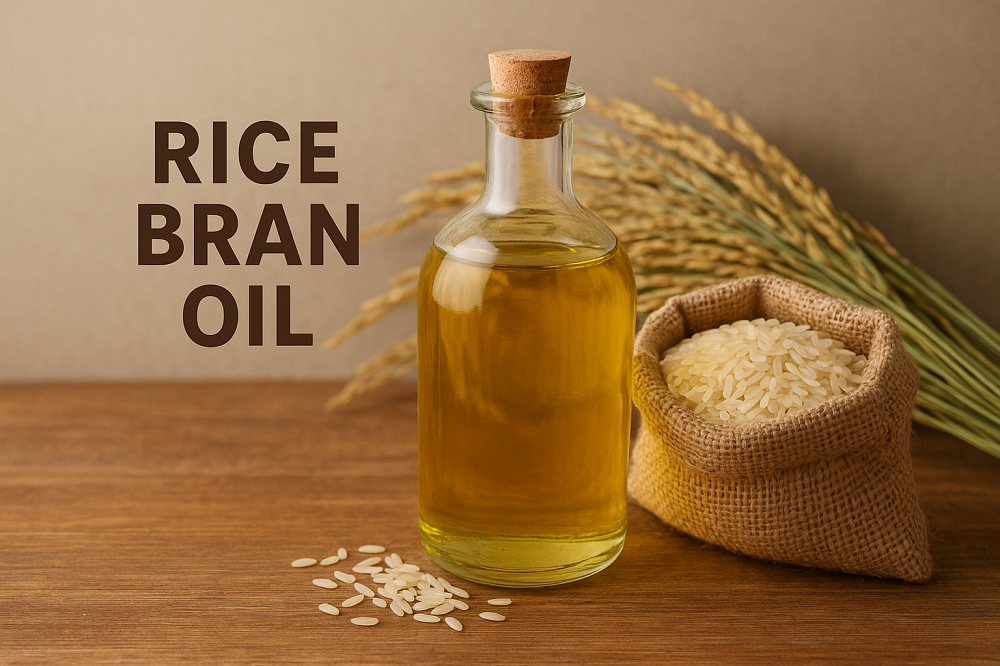
Rice bran oil extracted from the outer husk or bran layer of rice grains is an incredibly versatile and nutrient-rich edible oil that has been gaining attention worldwide for its numerous health benefits cooking versatility and skincare applications. For centuries countries in Asia such as Japan India and China have used rice bran oil as a staple ingredient in their diets praising its mild flavor high smoke point and impressive nutritional profile.
Today it is becoming increasingly popular in Western markets as people seek healthier cooking oils that deliver both taste and wellness benefits.We will explore everything you need to know about rice bran oil including its nutritional value health advantages culinary uses skincare benefits and tips on choosing the best quality oil.
What is Rice Bran Oil?
Rice bran oil is derived from the outer layer of rice kernels which is typically removed during the milling process to produce white rice. This outer bran layer contains valuable nutrients antioxidants and healthy fats making the extracted oil a powerhouse for both internal and external use.
The oil is typically obtained through cold pressing or solvent extraction and the refining process ensures its stability light color and mild taste. One of the standout qualities of rice bran oil is its balanced fatty acid profile which makes it a heart-healthy option while still being suitable for high-temperature cooking.
Nutritional Profile of Rice Bran Oil
Rice bran oil is loaded with essential nutrients that contribute to overall health. A typical tablespoon about 14g of rice bran oil contains around 120 calories 14g of fat and zero carbohydrates or protein. The fats include a balanced mix of monounsaturated fatty acids MUFA polyunsaturated fatty acids PUFA and a moderate amount of saturated fats. This ratio supports cardiovascular health while also providing energy and aiding in nutrient absorption.
Health Benefits of Rice Bran Oil
Promotes Heart Health
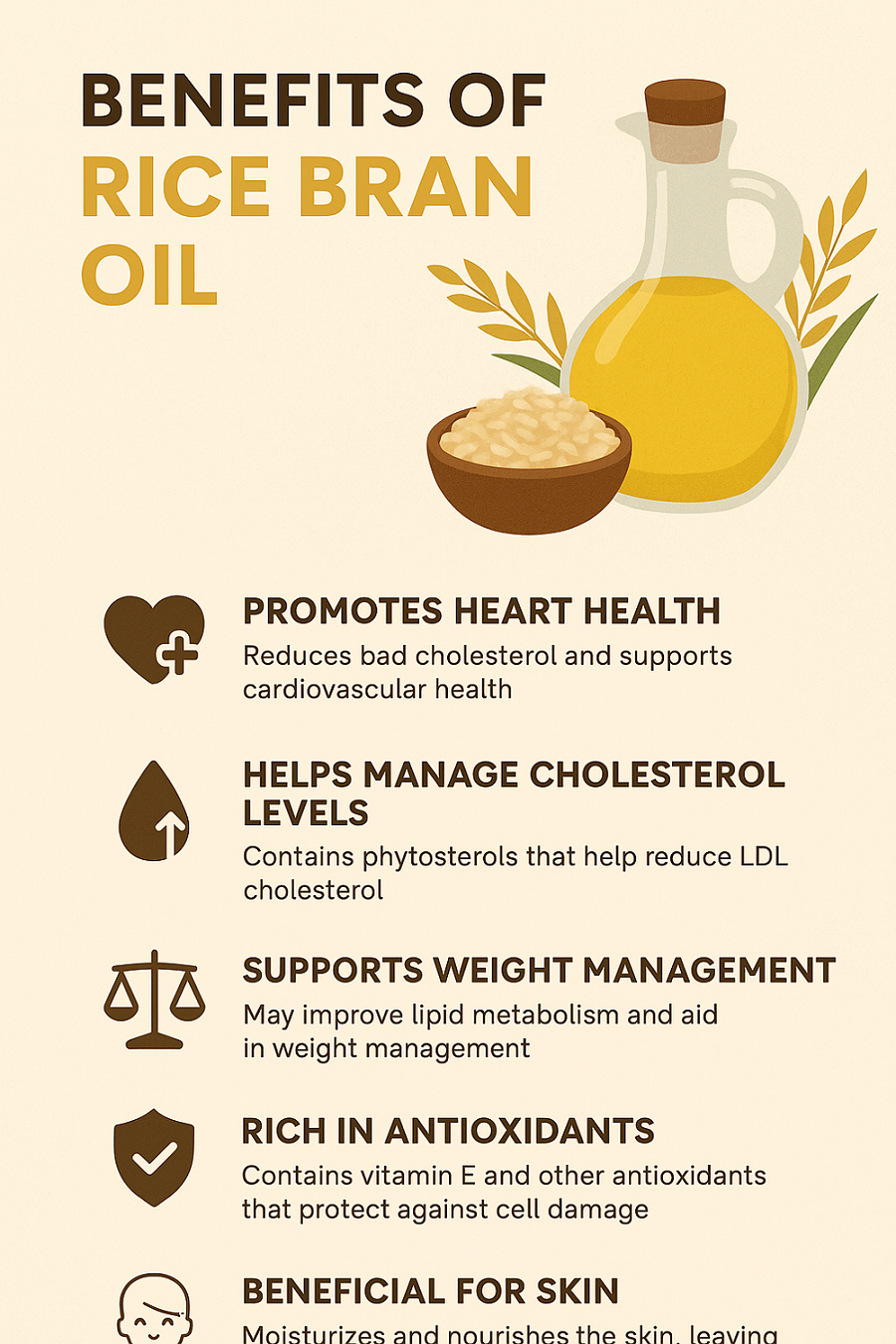
One of the most well-documented benefits of rice bran oil is its ability to promote cardiovascular wellness. The oil contains a high concentration of oryzanol which has been shown to reduce LDL bad cholesterol while maintaining or even increasing HDL good cholesterol. The balance of MUFAs and PUFAs further supports healthy blood lipid levels helping to prevent plaque buildup in arteries and reducing the risk of heart disease. Studies have also suggested that rice bran oil can help regulate blood pressure contributing to overall cardiovascular protection.
Helps Manage Cholesterol Levels
Phytosterols in rice bran oil work similarly to cholesterol in the body competing for absorption in the digestive tract. This means that less dietary cholesterol is absorbed leading to lower overall cholesterol levels. Regular use of rice bran oil in cooking can be an effective dietary tool for managing cholesterol naturally.
Supports Weight Management
Although all oils are calorie-dense rice bran oil may indirectly support weight control due to its ability to improve lipid metabolism and maintain satiety. It contains compounds that assist the body in breaking down stored fat more efficiently while its mild flavor and cooking versatility make it easier to prepare healthy meals that are satisfying and nutrient-rich.
Rich in Antioxidants
Rice bran oil’s tocopherols tocotrienols and oryzanol provide a powerful antioxidant shield protecting the body from free radical damage. Antioxidants are essential for preventing premature aging boosting the immune system and lowering the risk of chronic illnesses like cancer and diabetes.
Anti-Inflammatory Properties
Inflammation is at the root of many chronic diseases from arthritis to cardiovascular issues. Rice bran oil contains anti-inflammatory compounds that may help reduce inflammation in the body, providing relief for individuals with inflammatory conditions.
Supports Skin Health
When applied topically rice bran oil is an excellent moisturizer that penetrates deeply without leaving a greasy residue. It helps soften rough patches reduce fine lines and even skin tone. The squalene and vitamin E content enhance elasticity and protect the skin from environmental damage making it a valuable ingredient in many skincare products.
May Help Regulate Blood Sugar
Preliminary research suggests that rice bran oil may improve insulin sensitivity and help regulate blood glucose levels. This makes it potentially beneficial for individuals with prediabetes or type 2 diabetes when included as part of a balanced diet.
Culinary Uses of Rice Bran Oil
High Smoke Point for Cooking
One of the reasons rice bran oil is so beloved in kitchens is its high smoke point of around 450°F 232°C. This makes it perfect for frying sautéing stir-frying roasting and baking without breaking down into harmful compounds or imparting a burnt taste.
Neutral Flavor
Unlike strongly flavored oils like olive oil or coconut oil rice bran oil has a mild neutral taste that doesn’t overpower dishes. This makes it suitable for both savory and sweet recipes as it allows the natural flavors of the food to shine.
Versatility in Recipes
Rice bran oil works well in a variety of recipes from salad dressings to marinades. It can replace vegetable oils in baking for a healthier fat alternative and its light texture blends well with herbs spices and citrus for flavorful dressings and dips.
Rice Bran Oil in Skincare and Haircare
Moisturizing Power
Rice bran oil is rich in emollients making it an excellent choice for dry skin. It hydrates deeply softens rough patches and improves skin texture without clogging pores.
Anti-Aging Benefits
The vitamin E and oryzanol content in rice bran oil protect against premature aging by combating oxidative stress and improving skin elasticity. It can help diminish the appearance of wrinkles fine lines and dark spots.
Hair Health
When applied to hair rice bran oil can strengthen strands reduce split ends and add natural shine. Its nourishing properties help soothe dry scalp and may even support hair growth.
How to Choose and Store Rice Bran Oil
Choosing Quality Oil
When buying rice bran oil look for cold-pressed or expeller-pressed varieties for the highest nutritional value. Organic options are preferable as they ensure minimal exposure to pesticides. Avoid heavily refined oils that may have lost some of their beneficial compounds during processing.
Proper Storage
Store rice bran oil in a cool dark place away from direct sunlight to prevent oxidation. Make sure the container is tightly sealed and consider refrigerating it in hot climates to extend its shelf life.
Potential Side Effects and Considerations
Rice bran oil is generally considered safe for most people when consumed in moderation. However, excessive intake can contribute to weight gain due to its calorie density. People with certain allergies or sensitivities should perform a patch test before using it topically. Additionally those on cholesterol-lowering medications should consult a healthcare professional before making significant dietary changes.