
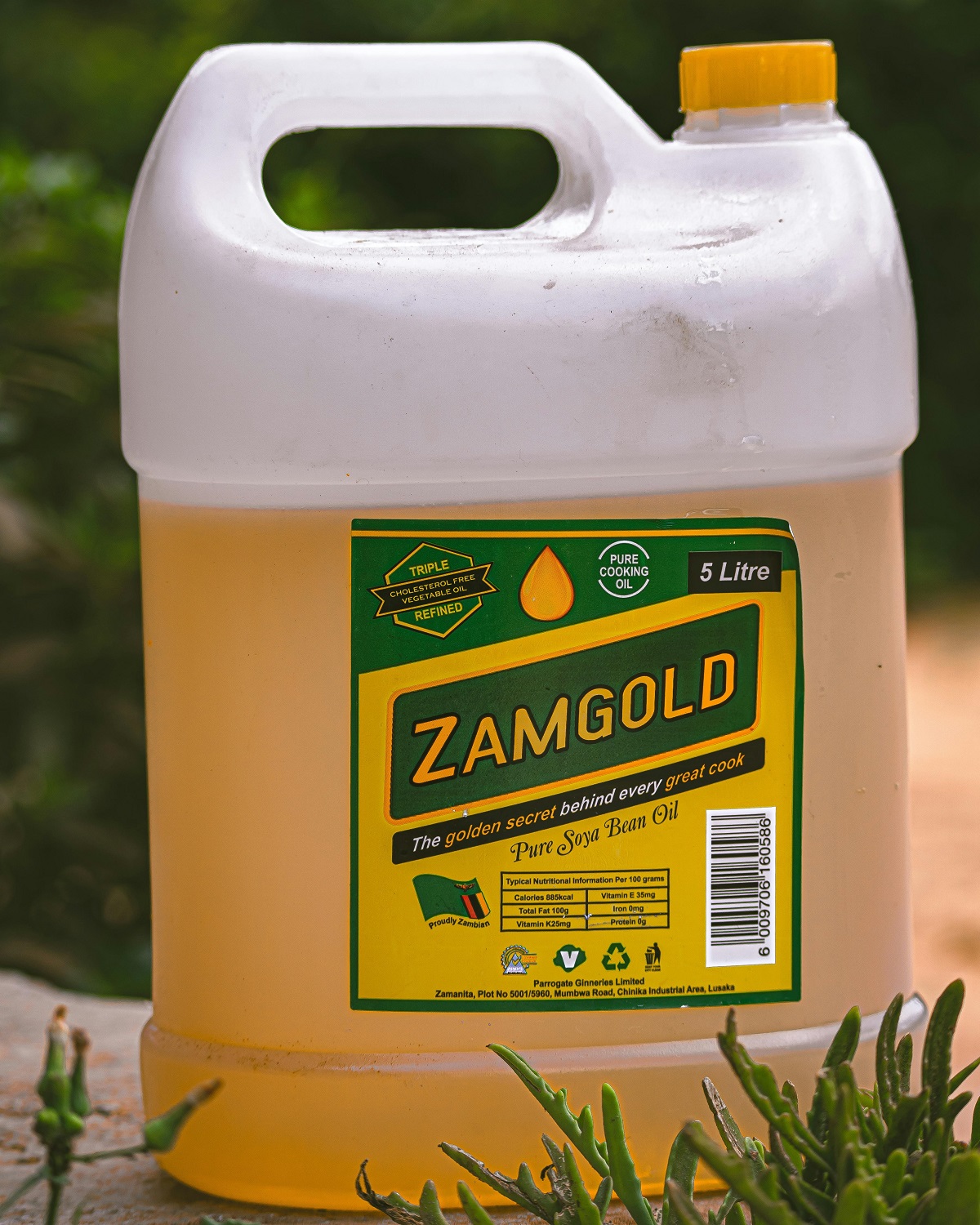
Soybean oil derived from the seeds of the soybean plant Glycine max is one of the most commonly used cooking oils in households restaurants and food processing industries worldwide. Its mild flavor affordable cost, and versatility in both cooking and manufacturing make it a staple in the global culinary landscape.
More aromatic oils like extra virgin olive oil or sesame oil soybean oil is valued for its neutrality it enhances the texture of food without overpowering the taste. This quality combined with its long shelf life and high smoke point has helped it become one of the most popular oils not just in home kitchens but also in large-scale commercial food production.
History and Origins of Soybean Oil
The history of soybean oil is closely tied to the domestication and cultural significance of soybeans themselves. Originating in East Asia soybeans have been cultivated for more than 3000 years with historical records indicating their widespread use in China as early as the Zhou Dynasty 1046–256 BC. Initially soybeans were prized as a source of protein and were used to make tofu soy sauce miso and soy milk. The extraction of oil from soybeans was not a common practice in ancient times instead soy was mostly consumed whole or fermented.
It was not until the 20th century that industrial processing technologies made large scale oil extraction from soybeans feasible. The United States embraced soybean cultivation in the early 1900s particularly in the Midwest where the crop thrived in the rich soil and favorable climate.
By the 1920s and 1930s the first soybean oil refineries were operational and the oil quickly gained popularity due to its cost effectiveness and ability to replace more expensive animal fats like lard and butter. Today the US Brazil Argentina and China are the leading producers of soybean oil and it is not only a kitchen essential but also a critical agricultural commodity traded globally.
How Soybean Oil is Made
The journey from soybean seed to bottle of cooking oil involves multiple steps designed to ensure both maximum oil yield and product purity. The process starts with cleaning and drying. Raw soybeans arrive at processing facilities often mixed with stems leaves dust and small stones. These impurities are removed through screening and air classification systems. The beans are then dried to reduce their moisture content which improves the efficiency of later extraction steps.
Next comes dehulling a process in which the outer shell or hull of the soybean is removed. While the hull is fibrous and low in oil it is often used as animal feed. The dehulled soybeans are flaked using large rolling mills breaking them into thin pieces that provide a larger surface area for the extraction process.
Oil extraction is typically achieved through solvent extraction where the flakes are washed with food grade hexane. This solvent binds to the oil pulling it out of the flakes. Mechanical pressing can also be used but it typically yields less oil and is more common in small scale or specialty production. After extraction the solvent is carefully removed from the oil and recycled for further use.
The resulting crude soybean oil is not yet ready for consumption it contains gums pigments free fatty acids and other impurities. The refining process consists of
Degumming removes phospholipids and other gum-like substances.
Neutralizing using an alkali to remove free fatty acids.
Bleaching passing the oil through activated clays to remove pigments.
Deodorizing applying steam distillation to remove odors and flavors.
The product is a clear pale yellow oil with a mild taste perfect for cooking and manufacturing.
Nutritional Profile of Soybean Oil
One of the reasons soybean oil is so widely used is its balanced nutritional profile. In a standard 1 tablespoon 14g serving you ’shall find approximately
Calories120
Total Fat 14g
Saturated Fat 2g
Monounsaturated Fat 3g
Polyunsaturated Fat 8g
Omega-3 Fatty Acids Alpha-linolenic acid ALA 0.9g
Omega-6 Fatty Acids Linoleic Acid 7g
Vitamin E 1.1 mg 6% DV
Vitamin K 25 mcg 21% DV
Soybean oil contains zero cholesterol and is naturally free of trans fats when unhydrogenated. Its high proportion of polyunsaturated fats particularly omega 6 fatty acids makes it beneficial for cardiovascular health provided it is consumed in moderation and balanced with omega 3 rich foods like flaxseed walnuts or fish.
Health Benefits of Soybean Oil
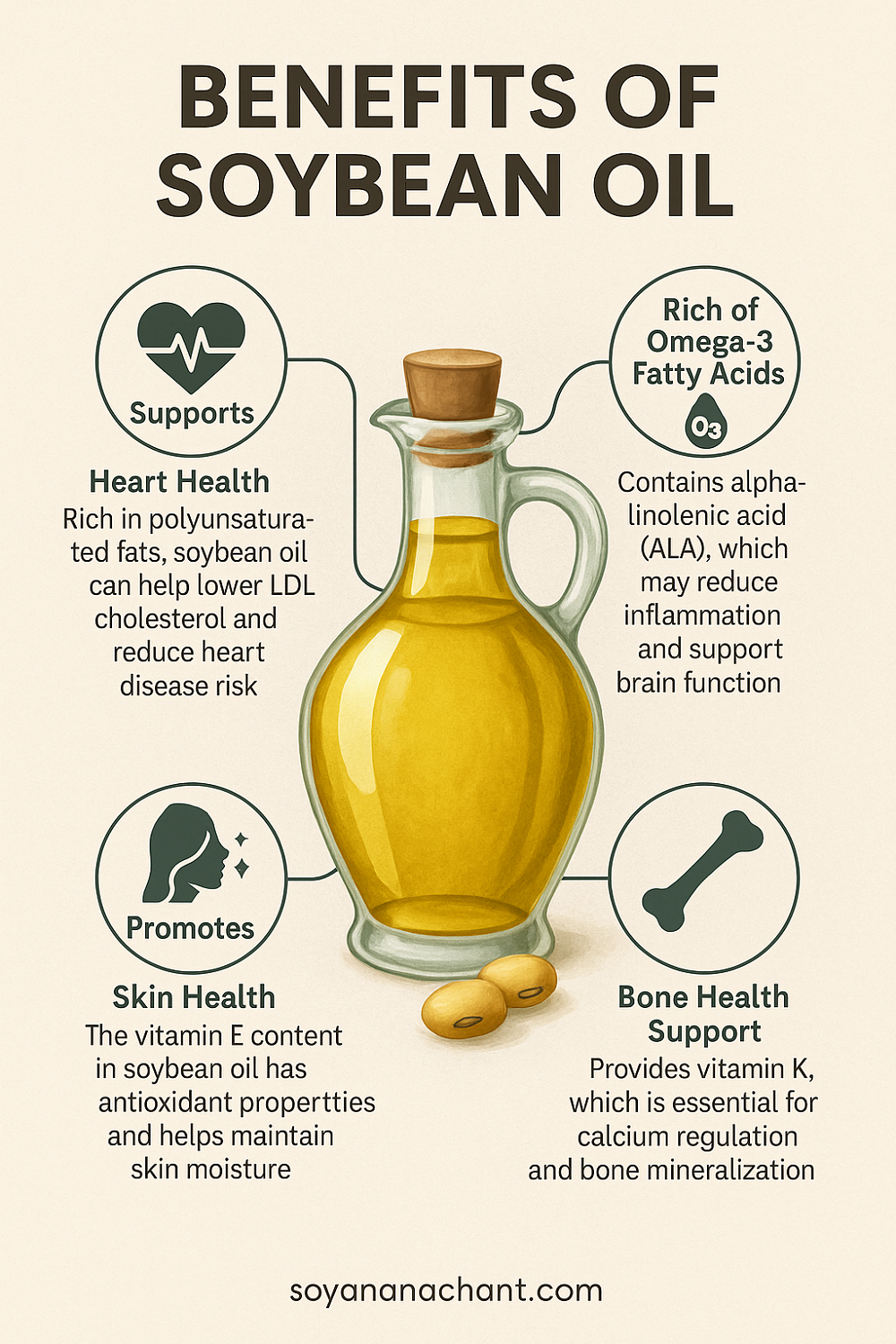
Supports Heart Health
Cardiovascular disease remains one of the leading causes of death worldwide and dietary fat choices play a significant role in prevention. Replacing saturated fats such as those found in butter or fatty meats with polyunsaturated fats like those in soybean oil can help lower LDL cholesterol levels. Research suggests that diets rich in unsaturated fats can improve arterial flexibility reduce plaque buildup and lower blood pressure thereby reducing heart attack and stroke risks.
Rich Source of Omega-3 Fatty Acids
Soybean oil contains ALA a type of plant based omega-3 fatty acid. While ALA must be converted into EPA and DHA the active omega-3s found in fish to be fully utilized by the body it still plays a valuable role in reducing inflammation and supporting brain function. Including soybean oil in your diet alongside other omega-3 sources can help bridge nutritional gaps especially for vegetarians and vegans.
Promotes Skin Health
The vitamin E present in soybean oil acts as a natural antioxidant that fights free radicals which are unstable molecules that can damage cells and accelerate skin aging. In topical applications soybean oil helps seal in moisture soften rough skin and support the repair of damaged tissues. It is often found in lotions serums and hair products.
Bone Health Support
Vitamin K is essential for calcium regulation and bone metabolism. Regular intake of vitamin K-rich foods including soybean oil can improve bone density and reduce the risk of osteoporosis especially in older adults and postmenopausal women.
Hormonal Balance
While refined soybean oil contains minimal isoflavones phytoestrogens less processed forms may retain small amounts. These compounds can mimic estrogen in the body potentially offering benefits for menopausal symptoms like hot flashes and bone density loss. However research is mixed and more studies are needed to confirm these effects.
Potential Risks and Considerations
Despite its health benefits soybean oil should be consumed mindfully
Omega-6 Imbalance Western diets often contain excessive omega-6 fatty acids compared to omega-3s. Too much omega-6 can promote inflammation potentially increasing the risk of chronic diseases.
Highly Processed Varieties Refined soybean oil may lose some beneficial compounds during processing and the use of chemical solvents like hexane although removed during refining can concern some consumers.
GMO Concerns Around 90% of soybeans grown in the US are genetically modified. While scientific consensus deems GMO foods safe some people prefer organic or non GMO certified oils.
Caloric Density Like all fats soybean oil is calorie-dense. Overconsumption can contribute to weight gain if not balanced with overall caloric intake.
Culinary Uses of Soybean Oil
One of soybean oil’s greatest strengths is its versatility in cooking
Frying With a high smoke point 450°F/232°C it is ideal for deep frying French fries chicken fish and tempura without breaking down into harmful compounds.
Baking Its neutral flavor makes it a great choice for muffins cakes and breads where you do not want the oil’s taste to overpower other ingredients.
Salad Dressings Blends easily with vinegar lemon juice and seasonings to create smooth vinaigrettes.
Sauces and Marinades Works well in mayonnaise aioli and marinades for meats or vegetables.
Commercial Food Production Used in everything from chips and crackers to non-dairy creamers and margarine.
Non Culinary Uses of Soybean Oil
Beyond the kitchen soybean oil has a wide range of industrial applications
Cosmetics and Skin Care Found in lip balms body oils shampoos and conditioners for its moisturizing and emollient properties.
Biodiesel Production As a renewable and biodegradable fuel soybean-based biodiesel helps reduce dependence on fossil fuels.
Industrial Uses Plays a role in manufacturing paints varnishes inks and bioplastics offering an eco-friendly alternative to petroleum based ingredients.